Home

Feast of Bridget

2 Comments

It’s another marking point in the eight-part year, half way from the winter solstice to the spring equinox, variously known at Imbolc, the feast of Bridget, a fire goddess, and Groundhog day.  I prefer Bridget, because she is said to be the patron of blacksmiths and poets, a fiery combination if there ever was one.

In Pennsylvania they make a big thing of the groundhog.  But shadow or no shadow, we knew there would be six more weeks of winter.  The traditional day to plant spinach where I lived was March 17.  We liked to pretend that spring began in early March with the big flower show, but that only happened indoors.

Here in the desert, this is the beginning of spring.  I’m behind in the garden already, because there are still two plants, one tall grass and a chamisa, which need serious cutting back before they begin to put out green again.  I intended to cut them back in January, but I only got half way around the yard.

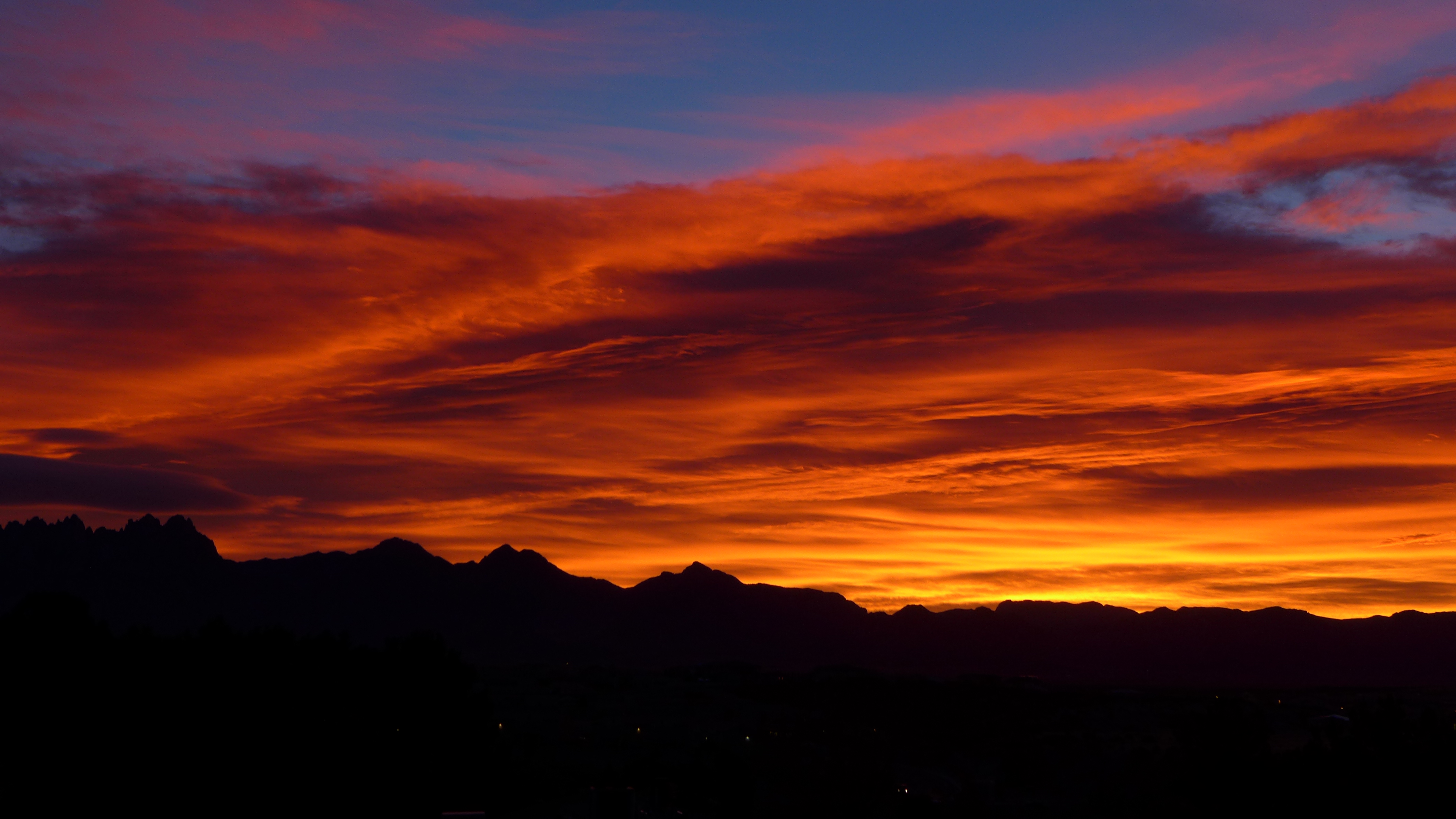
One of the treats of this point in the year is that the sun rises between the time I get up and the time I settle in to work at my desk.  This means that I get to enjoy some grand light shows.P1000030

This one came on January 31, as if to celebrate the Chinese New Year.  It is an added pleasure to have a new camera with which to –approximately–capture the moment.P1000031
Hong Kong Miscellany

4 Comments

I’ll begin in the bamboo section of the botanical garden, where I encountered the only Chinese panda of my trip.

stone panda

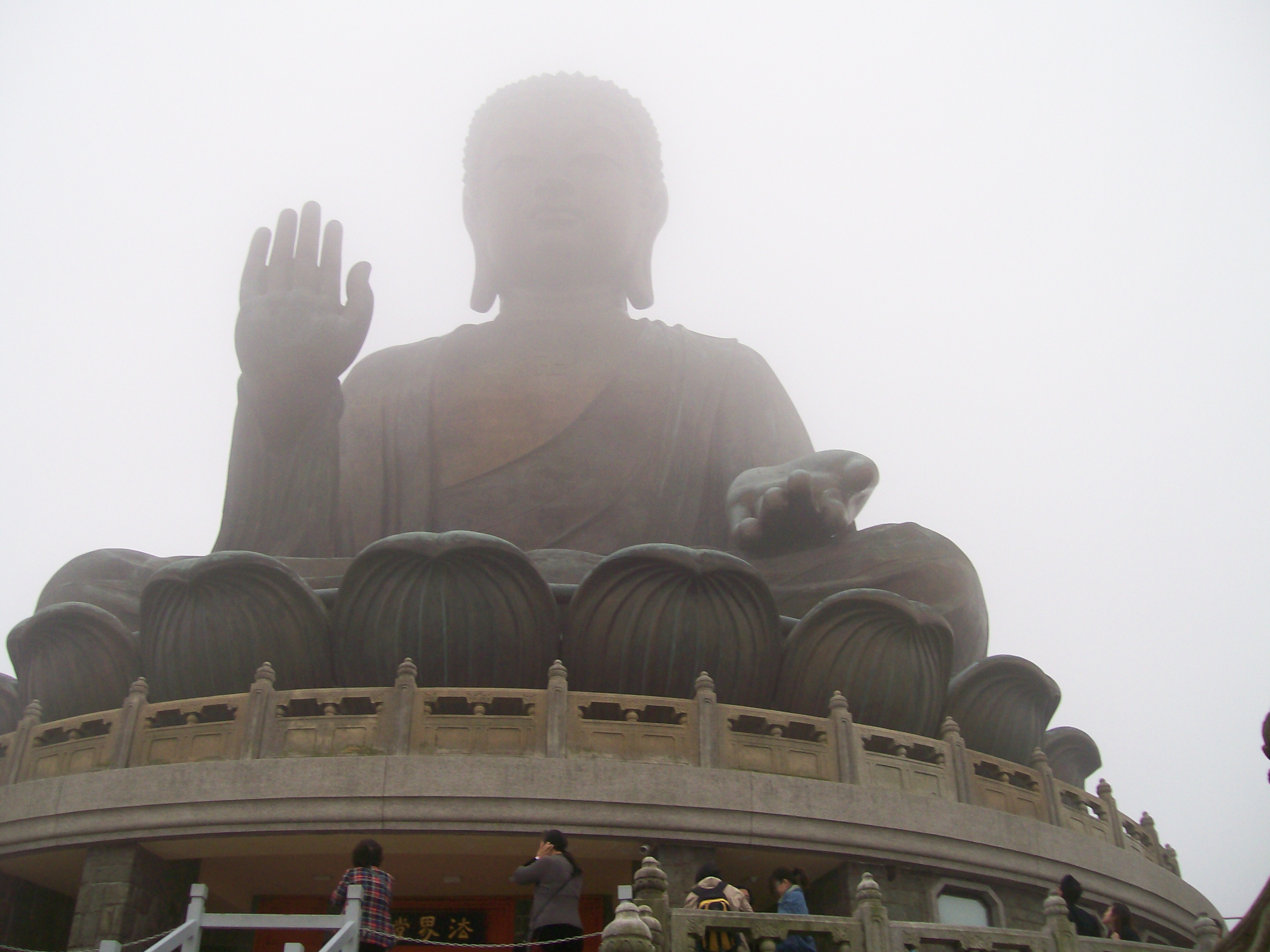
A bigger event, in both senses, was our trip over to Lantau and our ride on the aerial tramway to visit the Big Buddha.  He was constructed in 1993, through joint corporate and private efforts, to watch over Hong Kong.  As we rode in one of the cars above the green hillsides, he was up in the clouds.

100_1054

After we walked through the village and up the many stairs, he was still enshrouded, but worth the trip all the same.Buddha

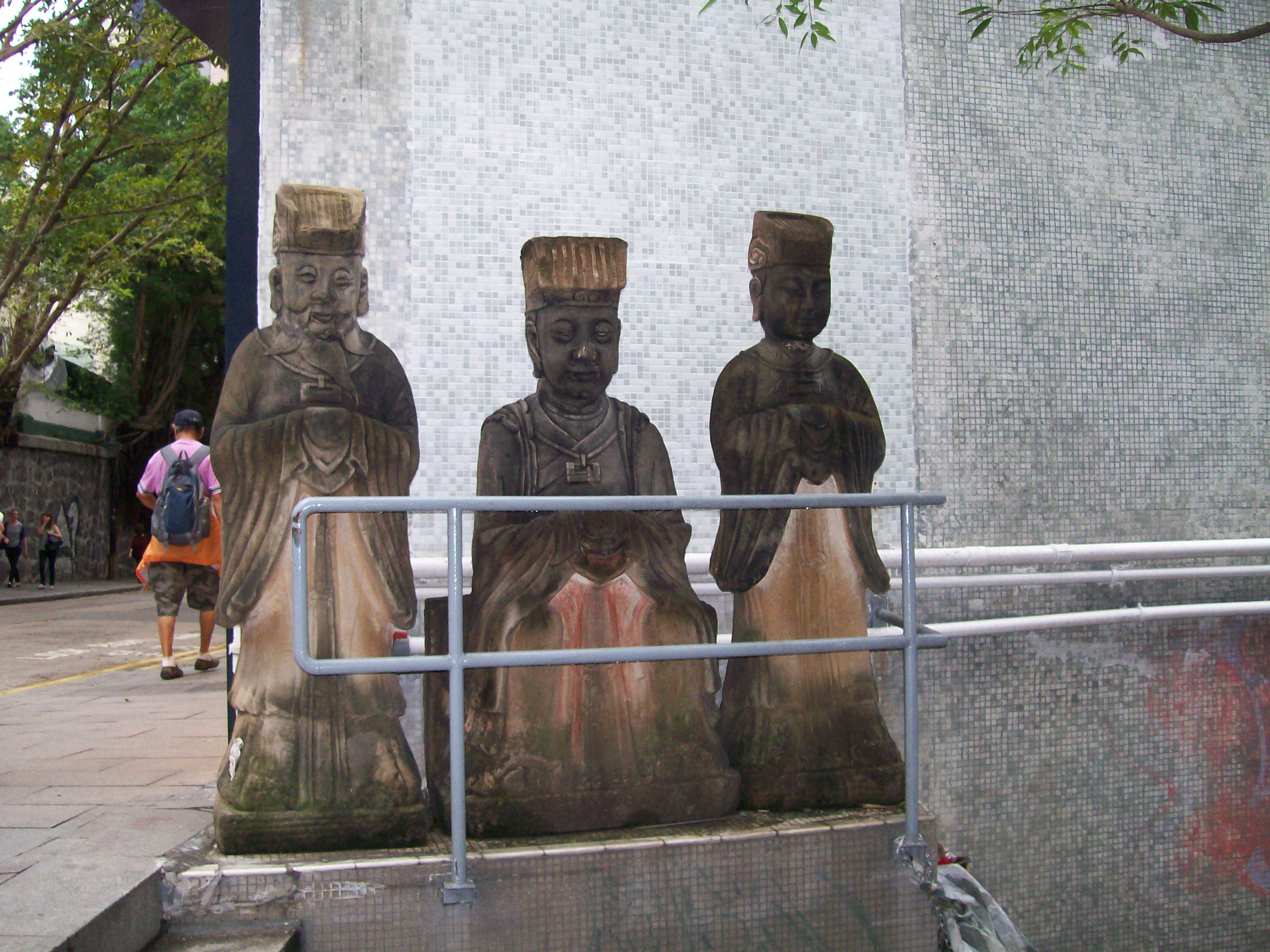
Our hotel was situated on Hollywood Road (named for holly trees, not that other Hollywood) which meant that we often walked past antique shops, doing some serious window shopping.  It puzzled me that these figures were on the side of a building which was not selling antiques.  Who put them there?  I did not find out.  They seem to me to be guardians.hollywood guardians

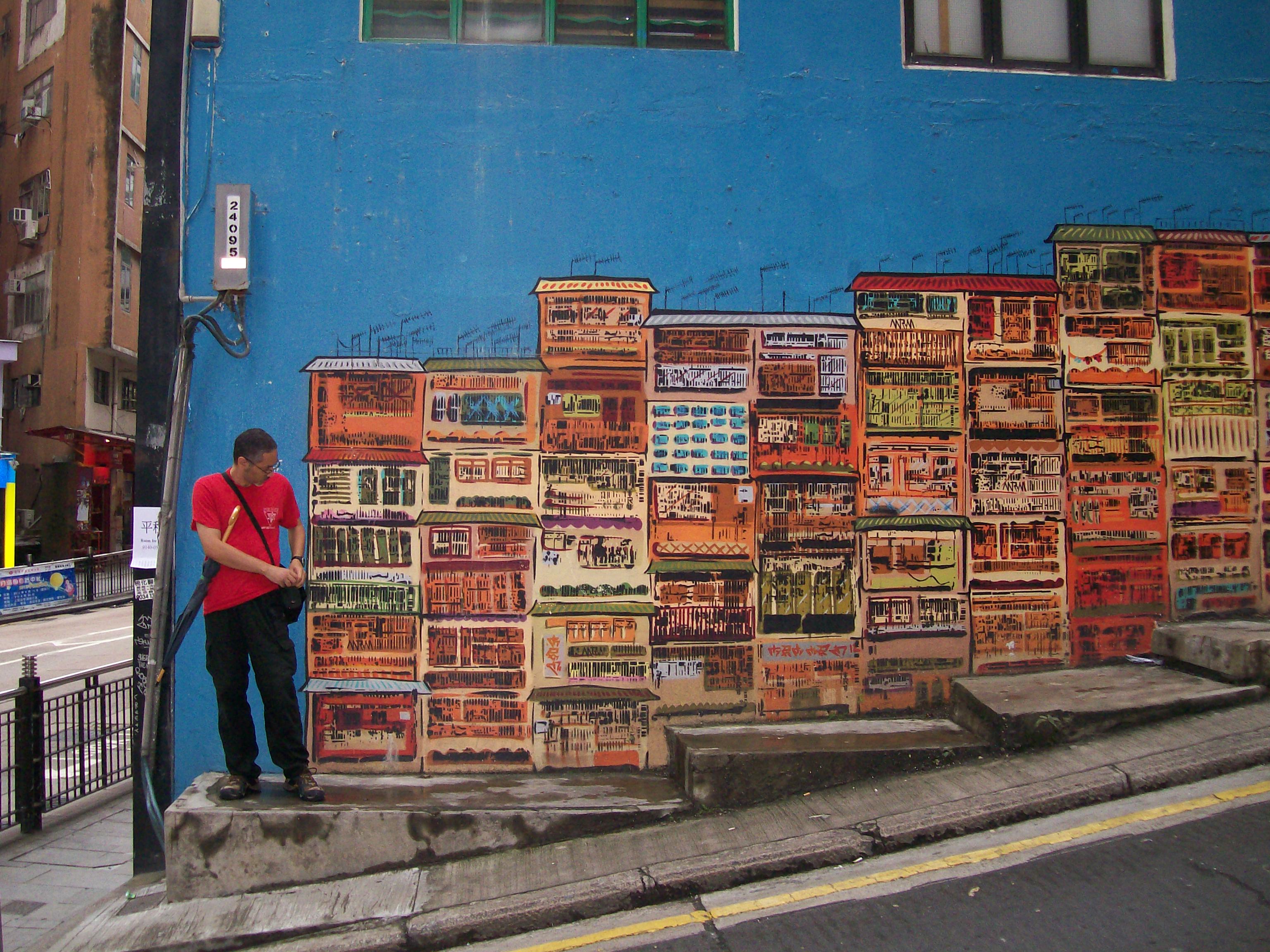
Further down Hollywood Road was a painted wall.  Like the statues, I think it could have used an explanatory plaque.hollywood wall art

One thing these last two “discoveries” confirm: walking a city is the best way to see it.   Now it is time to walk toward 2014 and whatever new adventures the coming year brings.  May it be a good one for the planet and all its cultures.

Hong Kong Flora

2 Comments

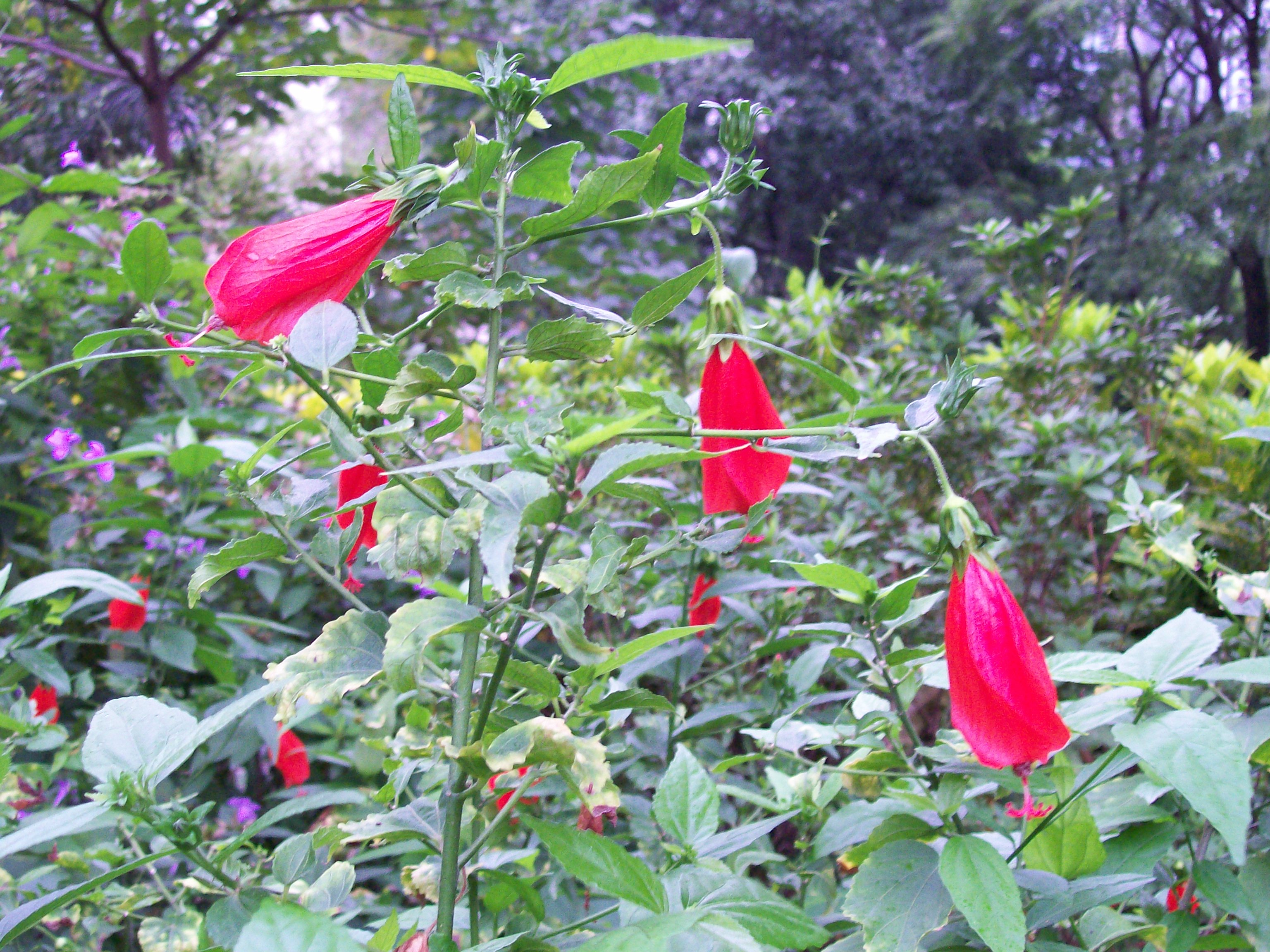
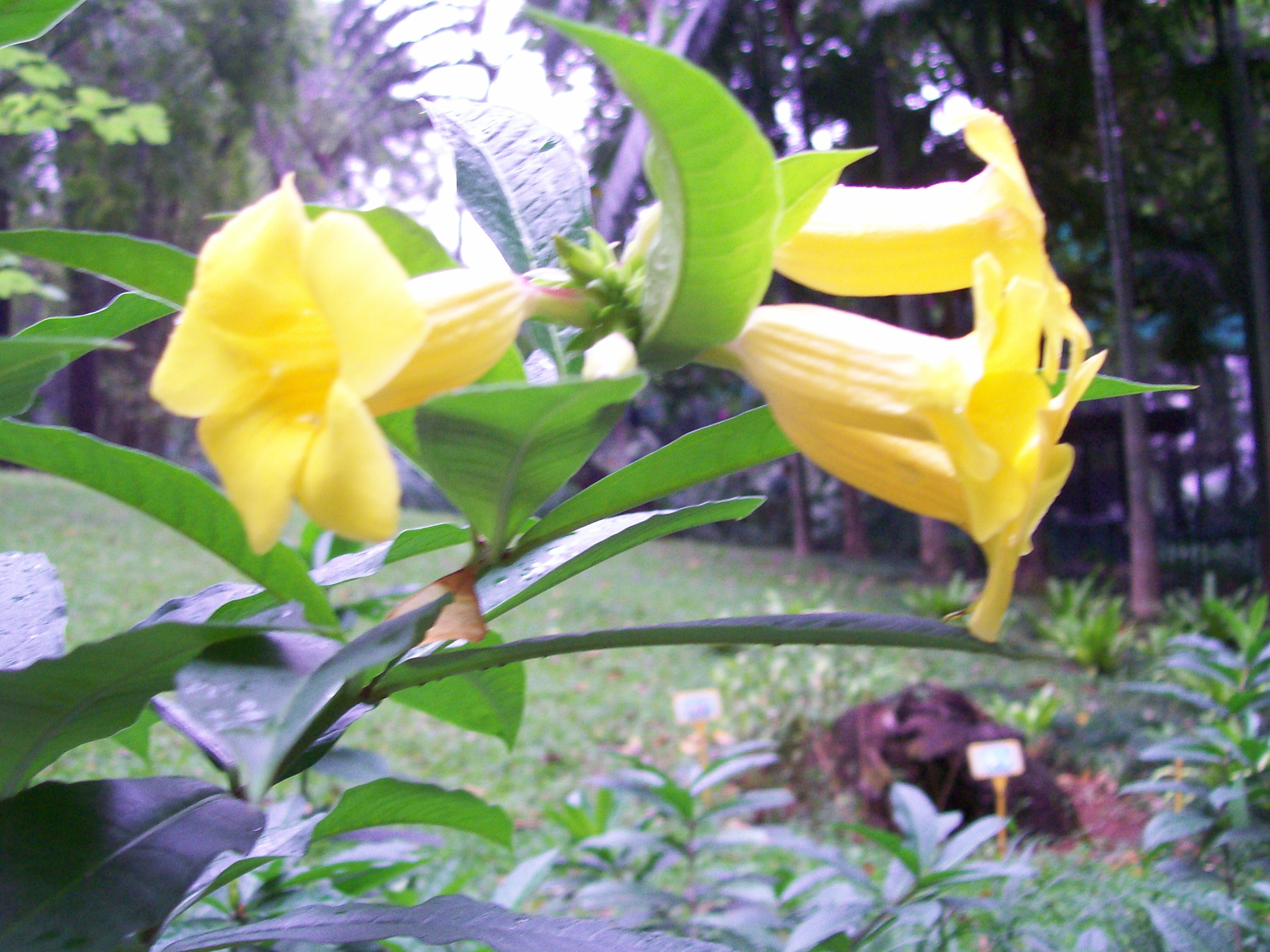
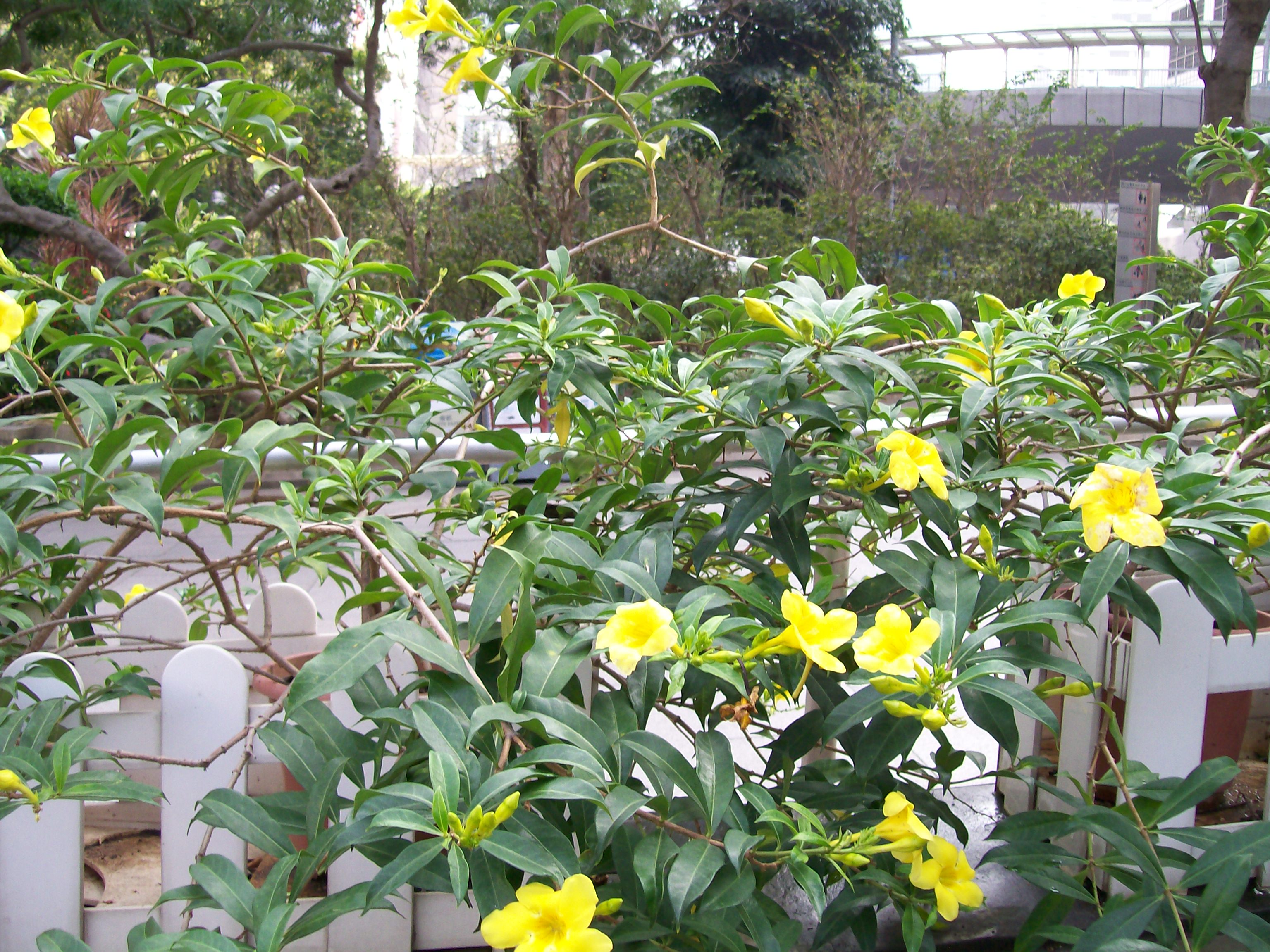
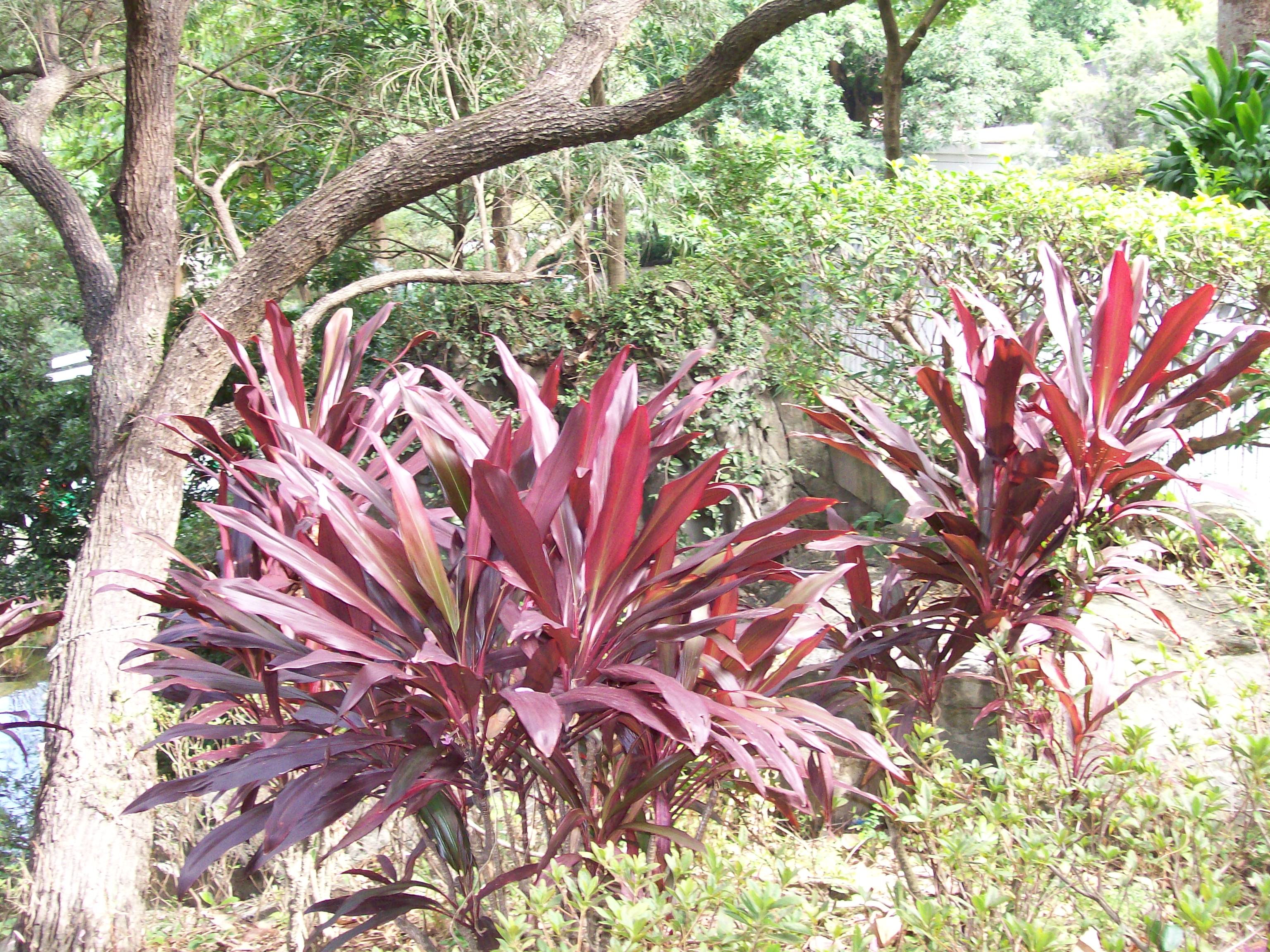
More or less across the street from Hong Kong Park is the Botanical Garden and Zoo.  The gibbons and lemurs in the zoo provided some entertainment, but my camera wasn’t up to catching them in the distance and the shade, so here I focus on the flora rather than the fauna.  I enjoyed the color but didn’t try to learn the names.  After all, none of these will grow where I live, 10 degrees latitude north and 4000 feet higher above sea level.

100_1032

100_1035

An interesting aspect of Hong Kong is the way they cope with the steep slopes.  Here is an example of one such area, concrete holding the dirt in place except for small circles for plants to grow out of.  These slopes are identified by a numbering system so that problems can be tracked and corrected.slope garden

In another part of the garden, this tree seemed almost to have posed for me:

100_1033

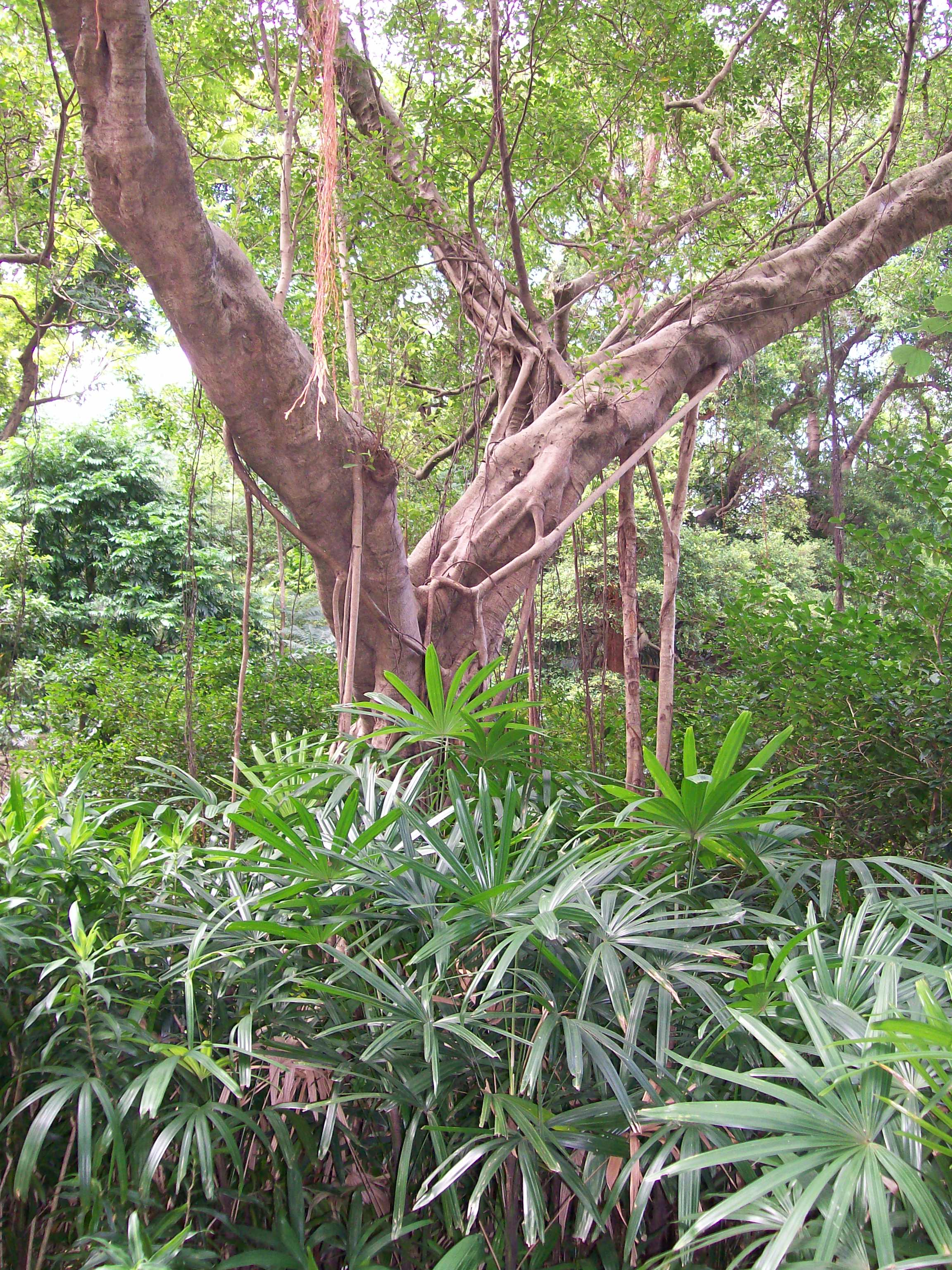
The botanical garden has many different sections, one of which is a bamboo garden.

bamboo

Here are a few more flowers from another park in the city.

100_1078

Hong Kong Park and Aviary

Leave a comment

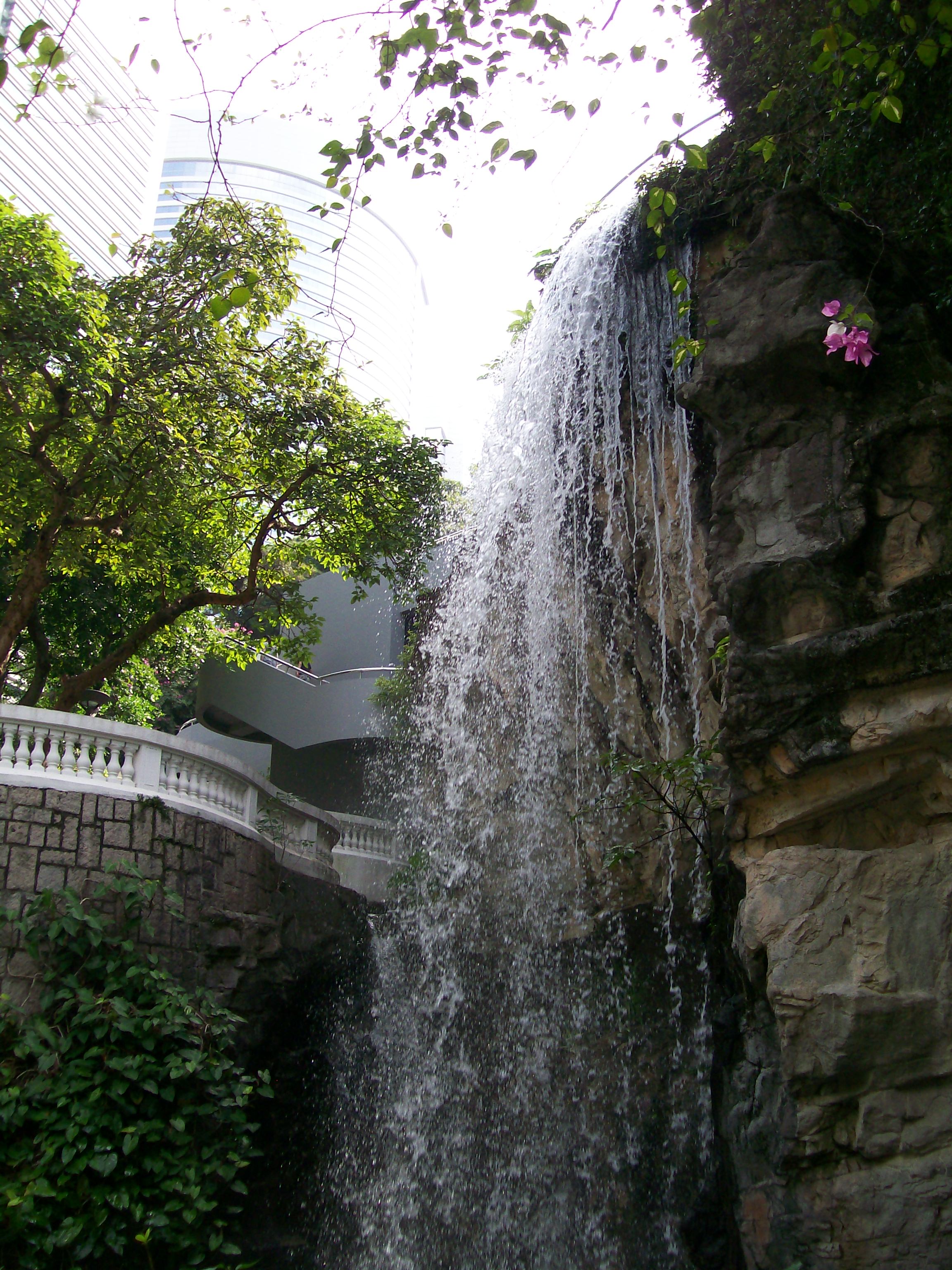
Hong Kong Park is just one of the green spaces in the city of Hong Kong.  It is an attractive place to walk through, with walkways and constructed rocks and fountains.

Waterfall over sculpted rock

Waterfall over sculpted rock

The day we visited the Park it was full of school children accosting strangers to practice their English.  “Where do you come from?  How long have you been in Hong Kong?” they asked.  They had papers with the questions written out.  Their geography wasn’t extensive.  They didn’t understand San Francisco or California―or perhaps it was only the countries that were on their sheets.  When they heard “U.S.A.” they beamed.100_1061

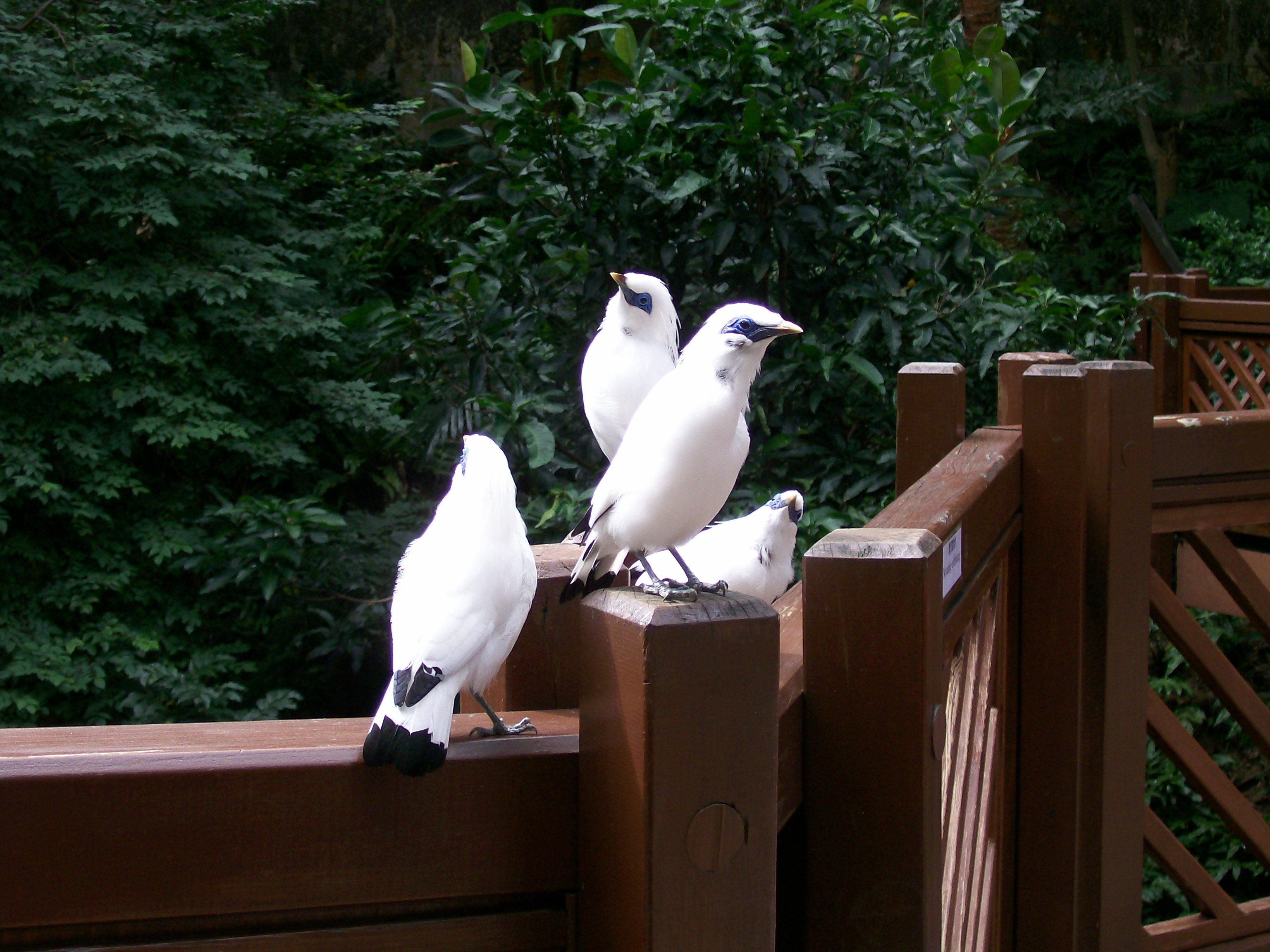
The regular part of the park is overshadowed by the aviary, a quite large screened area where the ground dips down and a walkway takes the visitor through at the level of the trees where birds are happiest.  There were many varieties of birds to see in the aviary, but most of them avoided my camera.  One group was particularly unafraid of humans.100_1063

Another brightly colored bird was too busy eating, on a feeder hung right at the visitor’s eye level, to care who saw him.100_1065

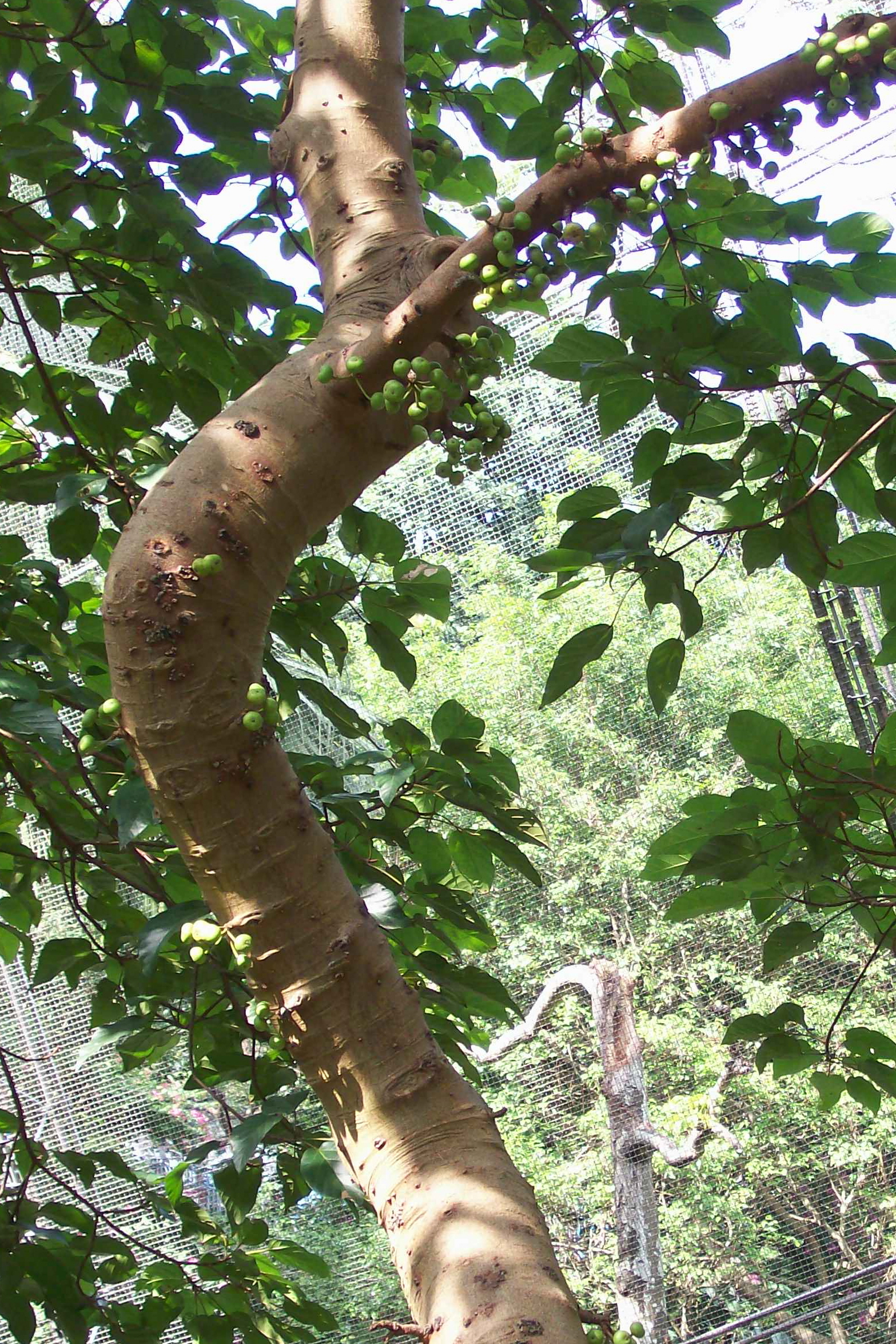
The aviary included some unusual trees, such as this one which grows fruit on its trunk.  (It’s those small green buds.  I don’t know what they look like when ripe.)fruit on trunk

For the visitor to Hong Kong, this park should not be missed.100_1062

Hong Kong and Macau

4 Comments

I have probably two more sets of photographs and reactions to Hong Kong itself to post, but this time my topic is Hong Kong’s neighbor state of Macau.  When we began planning our trip, my son recommended a day trip to Macau.  I had never heard of it.

Macau is the Portuguese equivalent of the British establishment of Hong Kong.  Like Hong Kong it is now under the authority of China, but it has kept its own rules and borders, for the time being.  One needs one’s passport to leave Hong Kong for Macau, but neither place requires a visa as mainland China does.  The Macau ferry from Hong Kong is a hydrofoil (“turbojet”) boat which runs frequently and takes an hour.

Because the Portuguese power in Asia faded before the British empire, Macau did not develop the way Hong Kong has into a world economic power in the 20th century.  It has based its tourism on carefully preserved history and, more recently, on casinos.  Fortunately the casinos are near the ferry terminals or down the coast, and do not impinge on the historical district.

As a report of a one day visit, this description of Macau is superficial, but I hope it gives a good impression of a place worth knowing more about.  It’s a place I think worth visiting again.

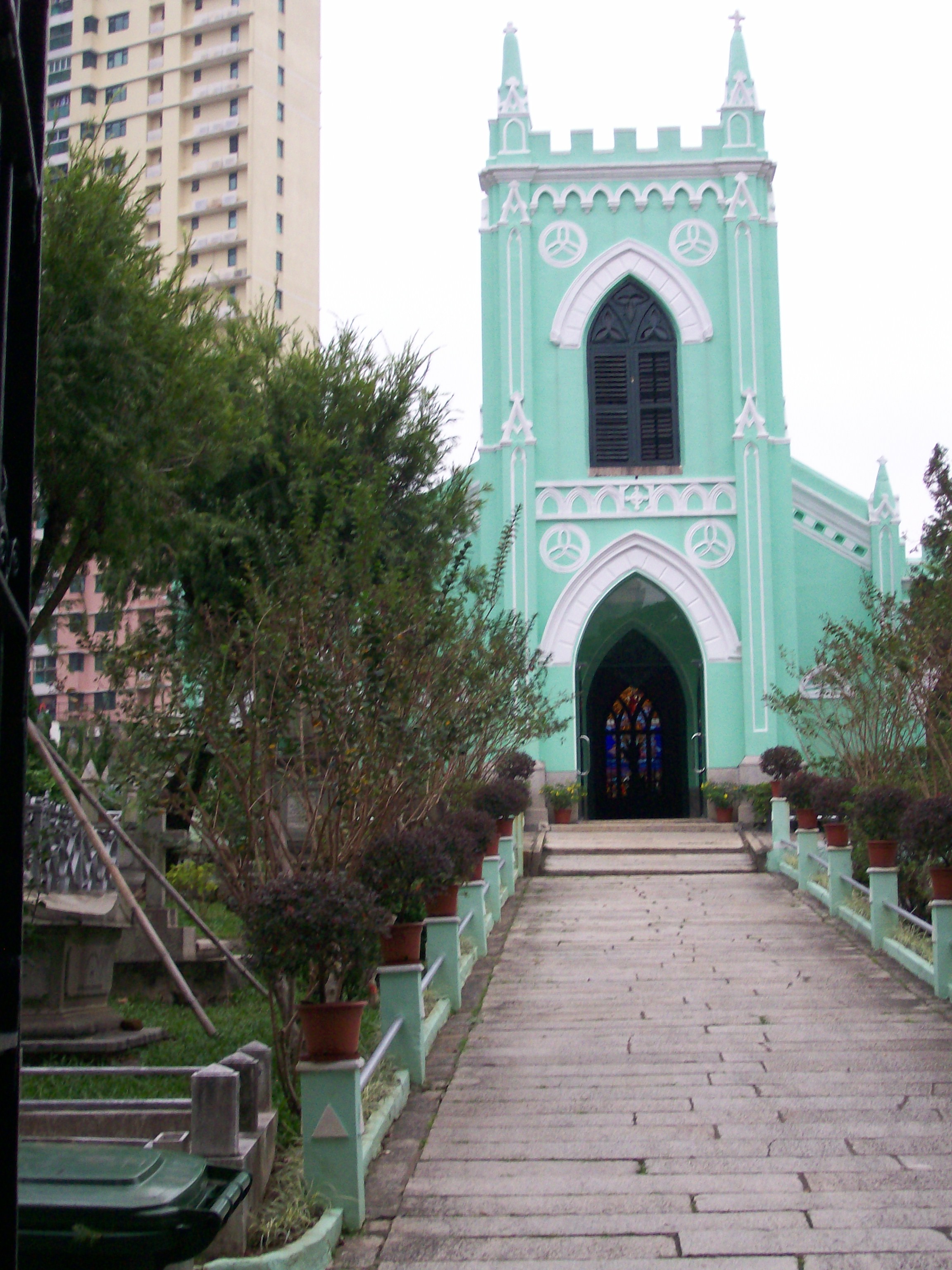
The Portuguese element is still strong in the bi-lingual signs, the presence of churches and the food.  The streets are often narrow and motorcycles far outnumber cars.  Many public areas are paved with mosaic, often waves of blue and a soft yellow, as if to represent the sea.  Here is a more elaborate mosaic, set in the middle of a sidewalk.100_1045

Nearby is the church of San Lorenzo.  The decoration inside is said to be worth seeing, but that white triangle in the doorway is a large paper bell which the man is hanging to indicate that a wedding is to take place.  Tourists could only peek in.100_1044 trimmed

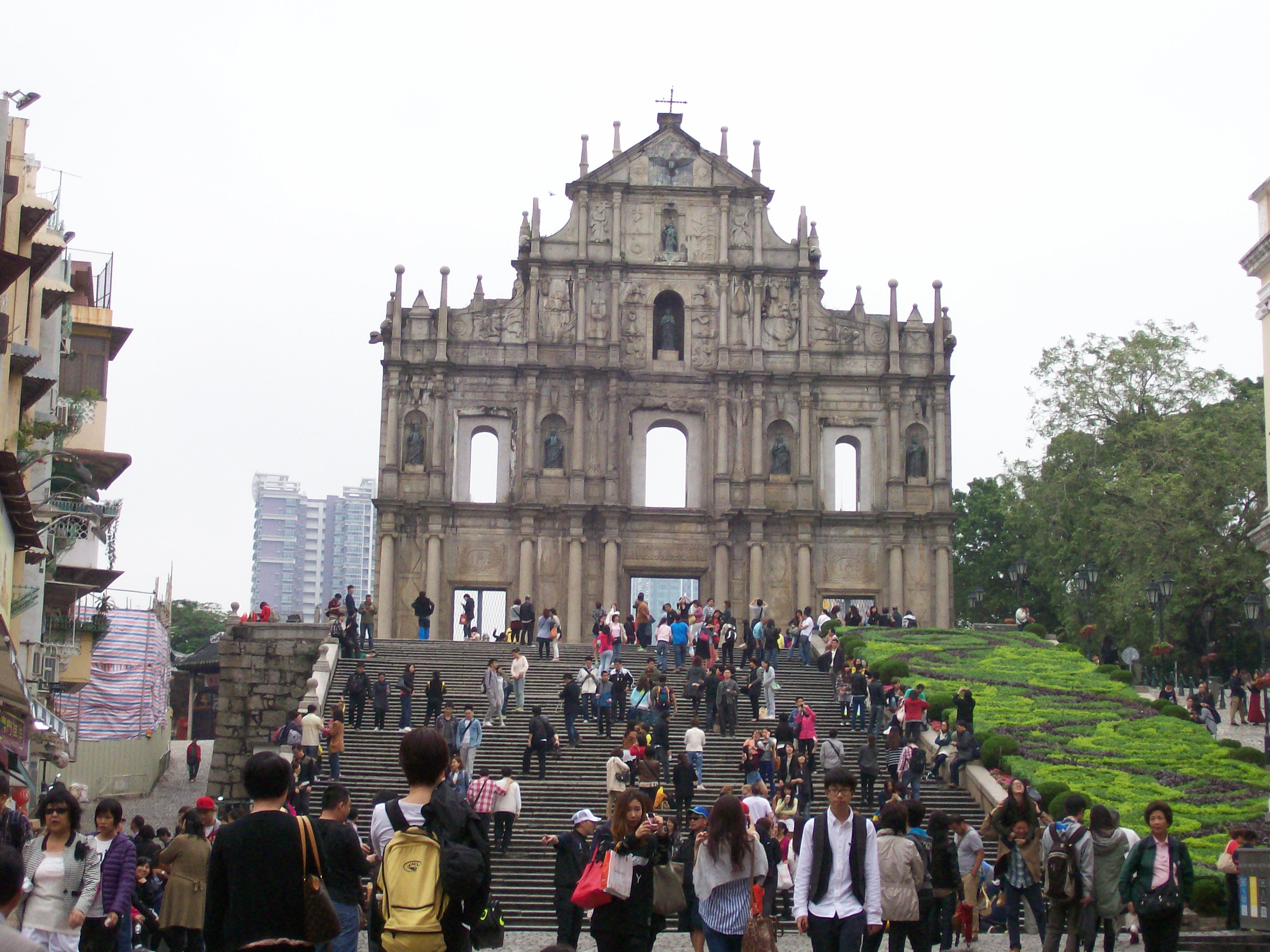
The most famous church is the cathedral of St. Paul, of which only the façade remains, carefully preserved since a fire destroyed the rest of the building long ago.100_1047

A cemetery, unannounced on a side street, shows that it too belongs to the world of the churches and mosaics.100_1048

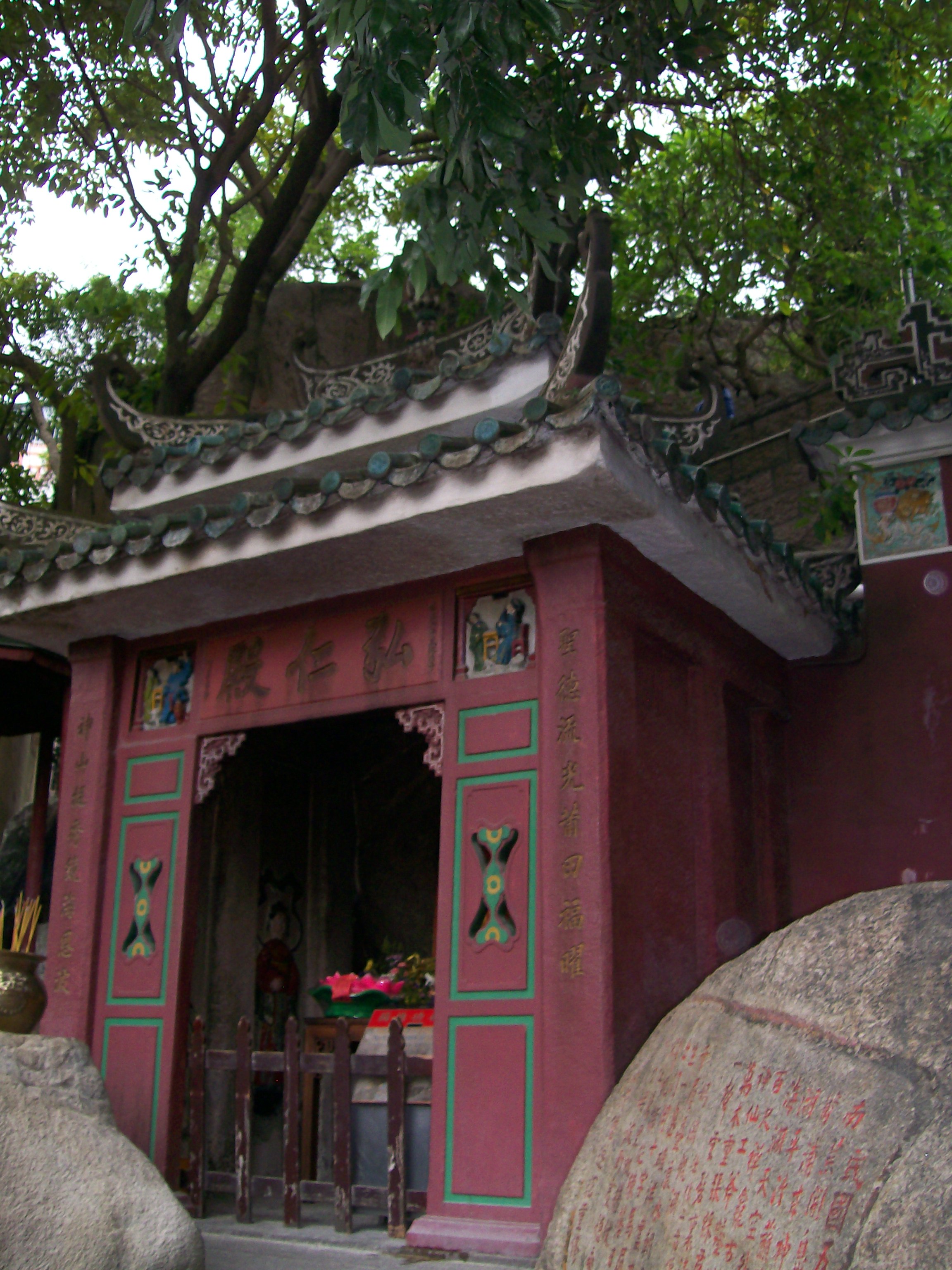
While I was much taken with the Portuguese elements, one of the most famous sites on Macau is the A Ma Temple, actually two temples built into the rock on the side of a hill.  The temple buildings are perched among the rock.  Mosaic pavements are a connecting theme from this spot at the south of the historic district to the grand plaza near the façade of St. Paul’s.Macao temple

Hong Kong II: A Seaside Village

1 Comment

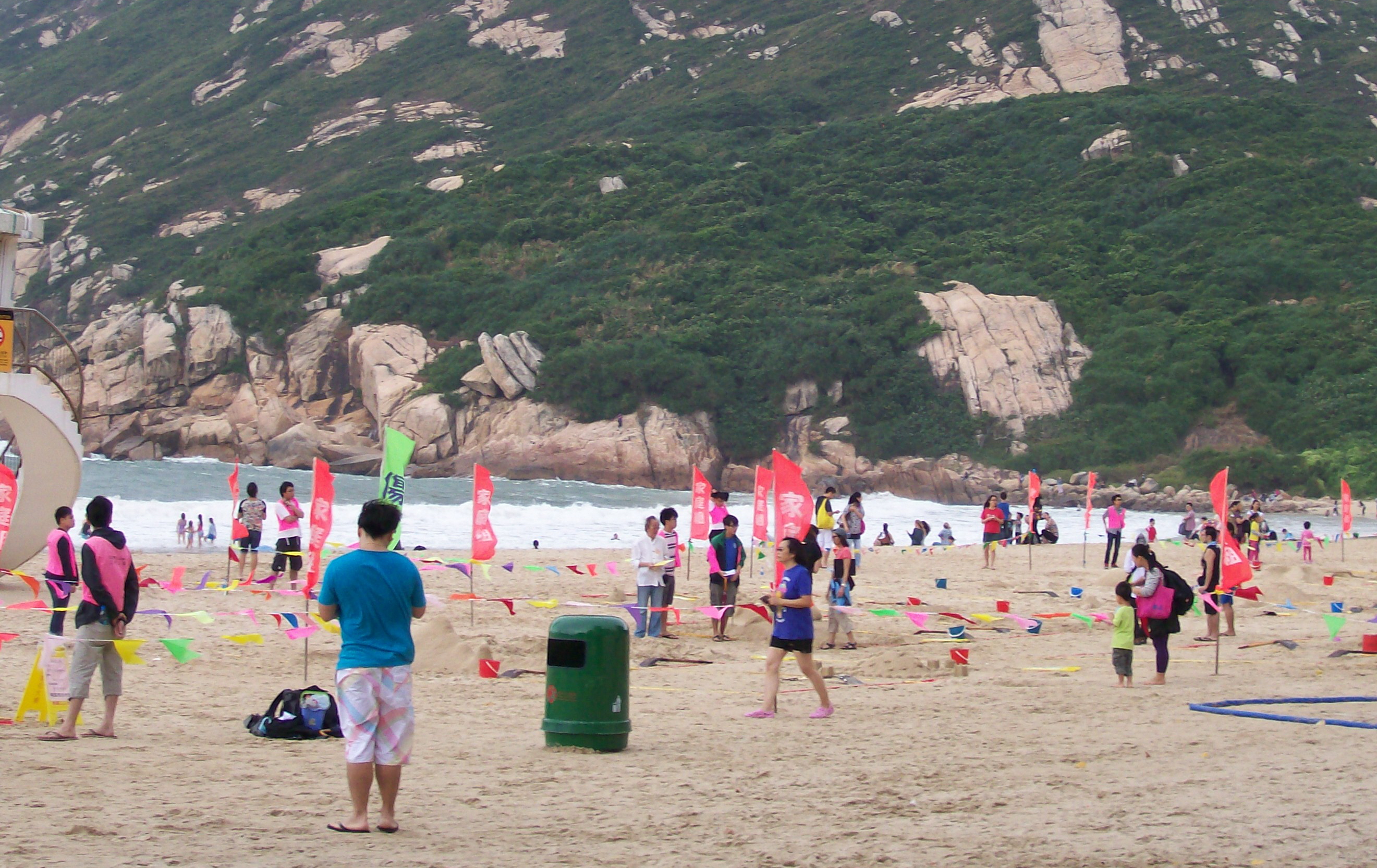
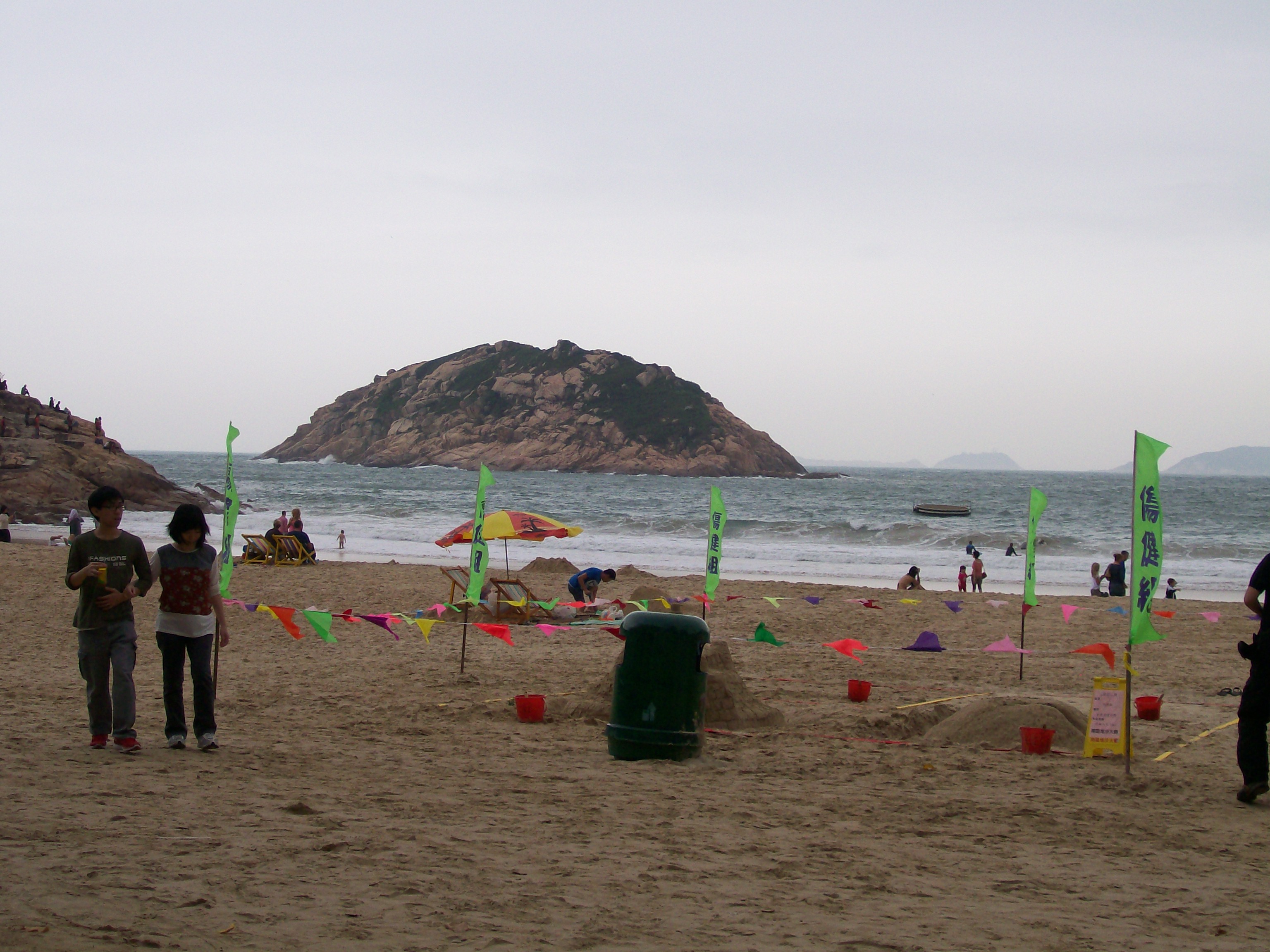
As I noted in a previous post, the city of Hong Kong with its harbor is on the north of Hong Kong Island.  A half hour trip by taxi or bus takes one to villages on the southern side of the island.  One of these is Shek O.  On the November Sunday we visited, the beach was busy, although swimming was forbidden; the shark net had been taken in for repairs.  The cans and flags you can just make out in this photo marked sections for a sand castle competition which had been held earlier in the day.shek o beach trimmed

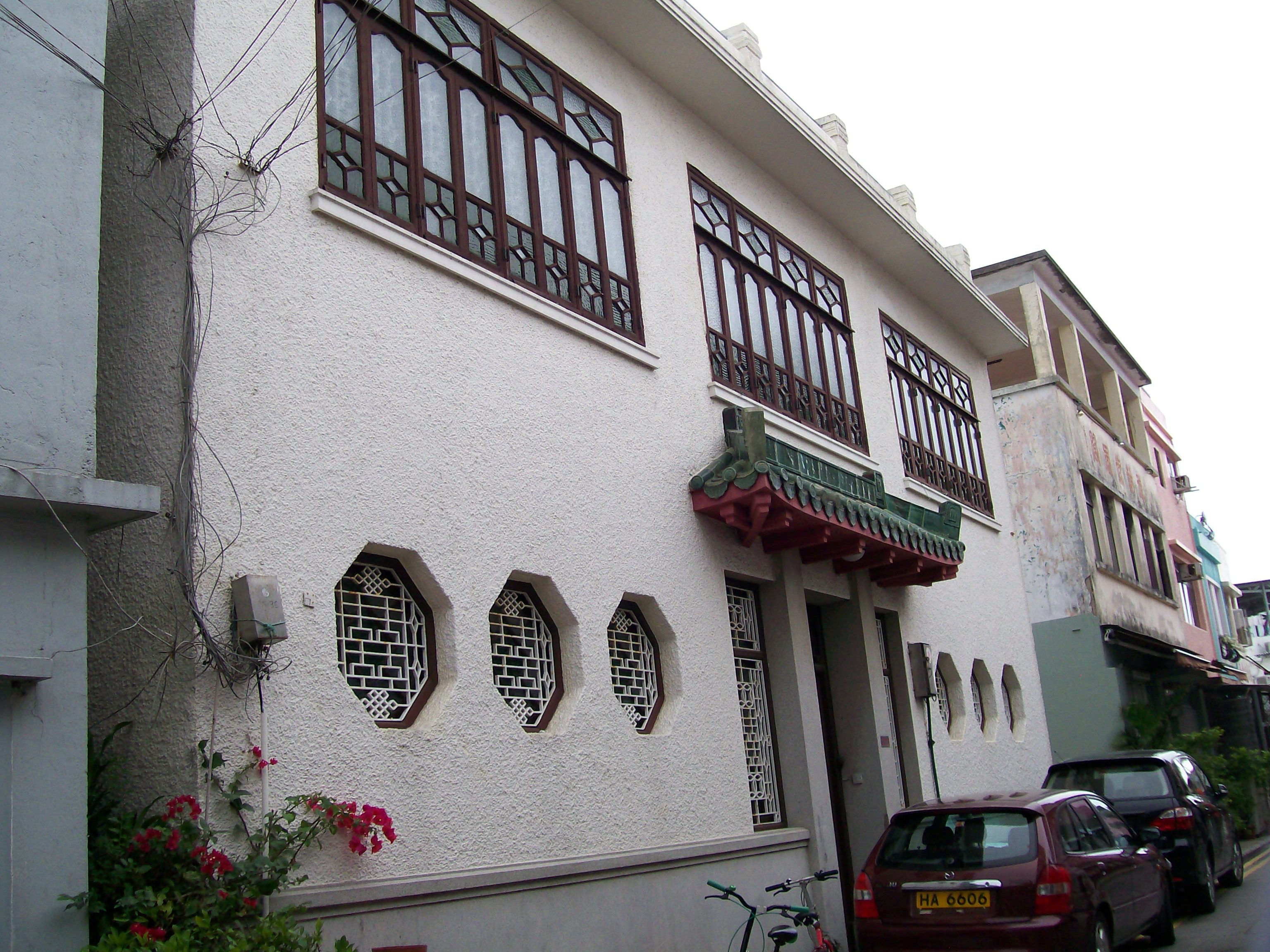
We walked along a side street of the village and saw a variety of houses.  One looked traditional, but not very friendly.shek o classic house

Another shared its profusely blooming plants.shek o balcony

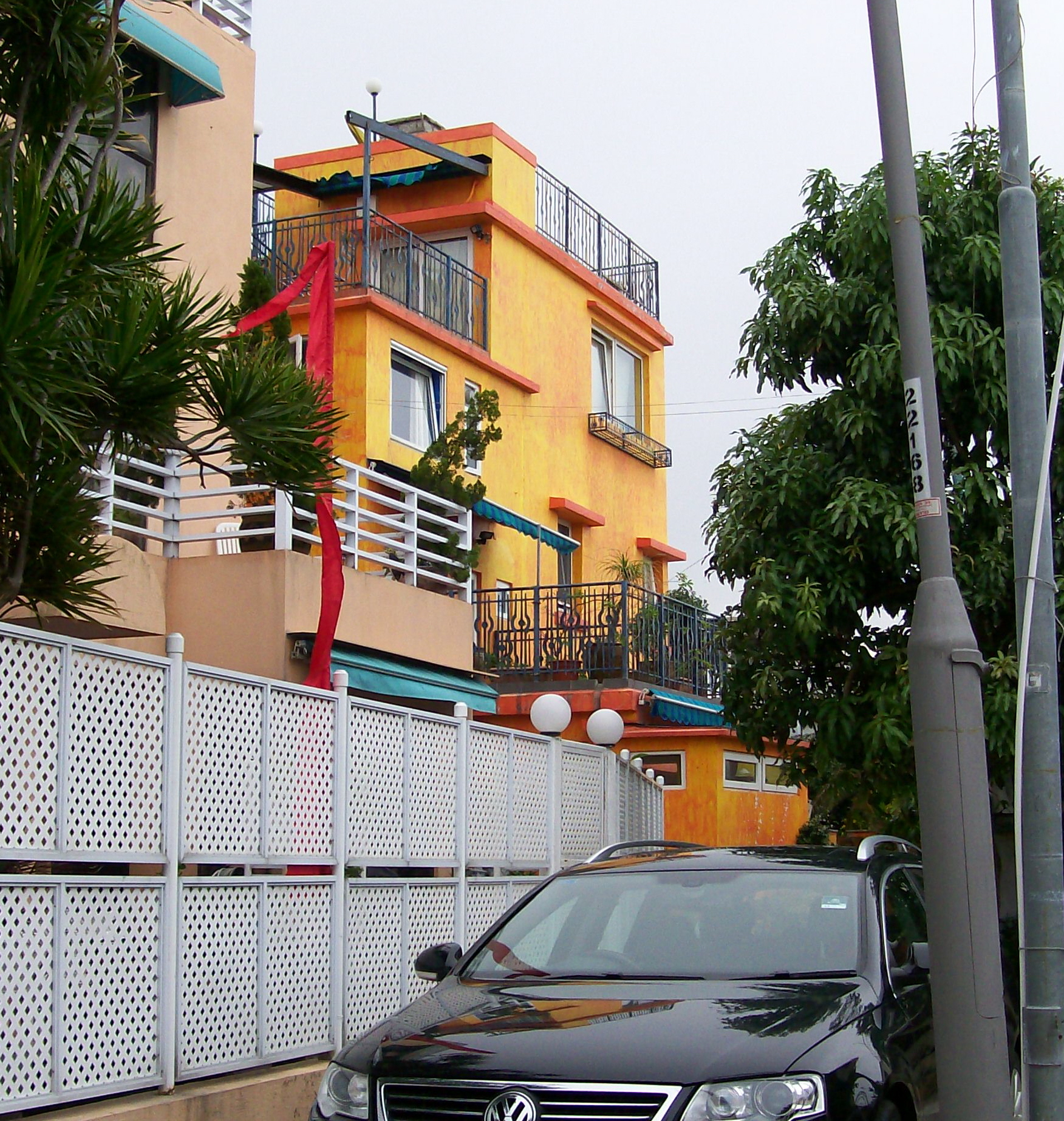
One up the hill was brilliantly painted, and the paint was brought out by the afternoon sun.shek o bright house trimmed

The way the side of the beach ran straight into the water reminded me that clusters of islands are peaks in a mountain range.  The same is true of the islands on the coast of Maine, although there the tides give the rocks a harder time – our place in Maine is 22 degrees of latitude north of Hong Kong.  That’s quite a difference.

Last Look at Shek O Beach

Last Look at Shek O Beach

Hong Kong Visit

1 Comment

I’ve just had a great trip to Hong Kong, my first there, and only my second ever to Asia.  Hong Kong is a very lively city, and fairly compact for its size, as it is hemmed in by steep mountains.  The central part of the city, on Hong Kong Island, is built on the side of a hill.  Streets uphill are frequently replaced by stairs.  Clearly, the harbor was the important feature in the selection of this location by the British back in the nineteenth century.  The city continues to be bi-lingual, with a large foreign population – it takes seven years, I learned, to become a permanent resident.  And there are enough foreigners to support quite a few coffee shops, a feature I appreciated in the mornings, though I enjoy Chinese tea the rest of the day.

It was grey when we arrived, a result of the typhoons in the area.  This was convenient for one coming from a colder climate.

From the Star Ferry

From the Star Ferry

Gradually the weather warmed and the sun came out, providing an opportunity to enjoy the view from Victoria Peak.  Across the harbor is Kowloon, another part of the city, which is a peninsula of the mainland.

View from the Peak

View from the Peak

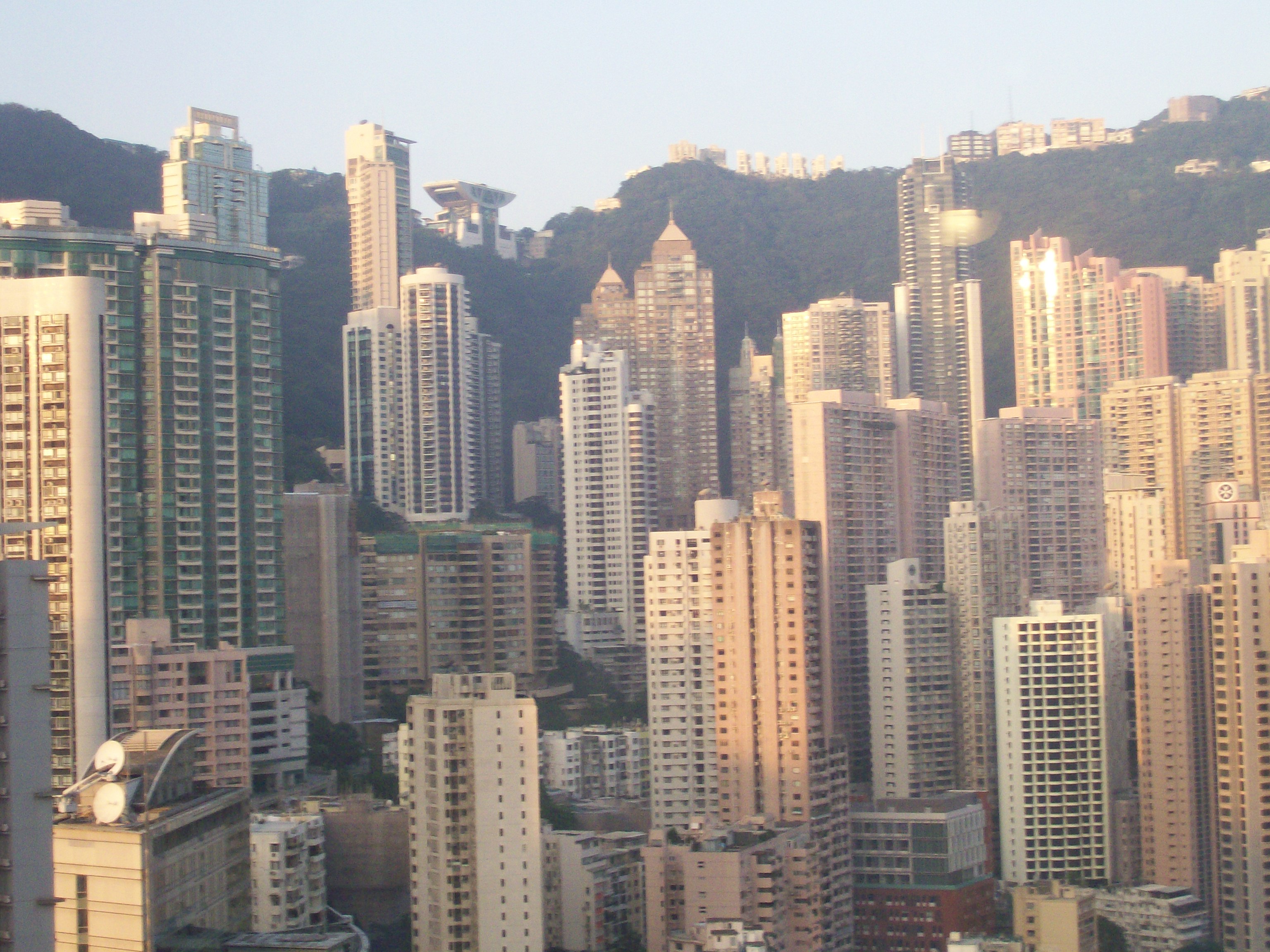
The look back at the peak, from a 42nd floor hotel room, shows how close the green landscape is, where it gets too steep to build.

Southern view from hotel

Southern view from hotel, morning sun

A half hour bus or taxi ride takes one around the hills and down to the south side of the island, where there are villages with nice beaches and houses which seem far away from the city high rises.  More of that in another post.

Project Linus

3 Comments

I’ve sewn many of my own clothes over the years, and kept the leftover fabric, saying “Some day I’ll make a quilt of this.”  I didn’t know how to make a quilt.  I bought a book about quilts and admired all the complex designs.  I had no idea where to begin.

Flannels.Jan.10

With this background it is surprising that I only discovered Project Linus a few years ago.  Members of Project Linus make blankets of all kinds: fleece, flannel, knitted and quilted, for children who are ill or in times of stress.  The local sheriff carries a bag of Linus blankets in his car because he never knows when the need will arise.  Local agencies are glad to receive them.  The local chapter is very active, but the supply never exceeds the need.

I began working with flannel, making small blankets for infants.  The quilting part – stitching the layers together – isn’t difficult. Maine Quilt

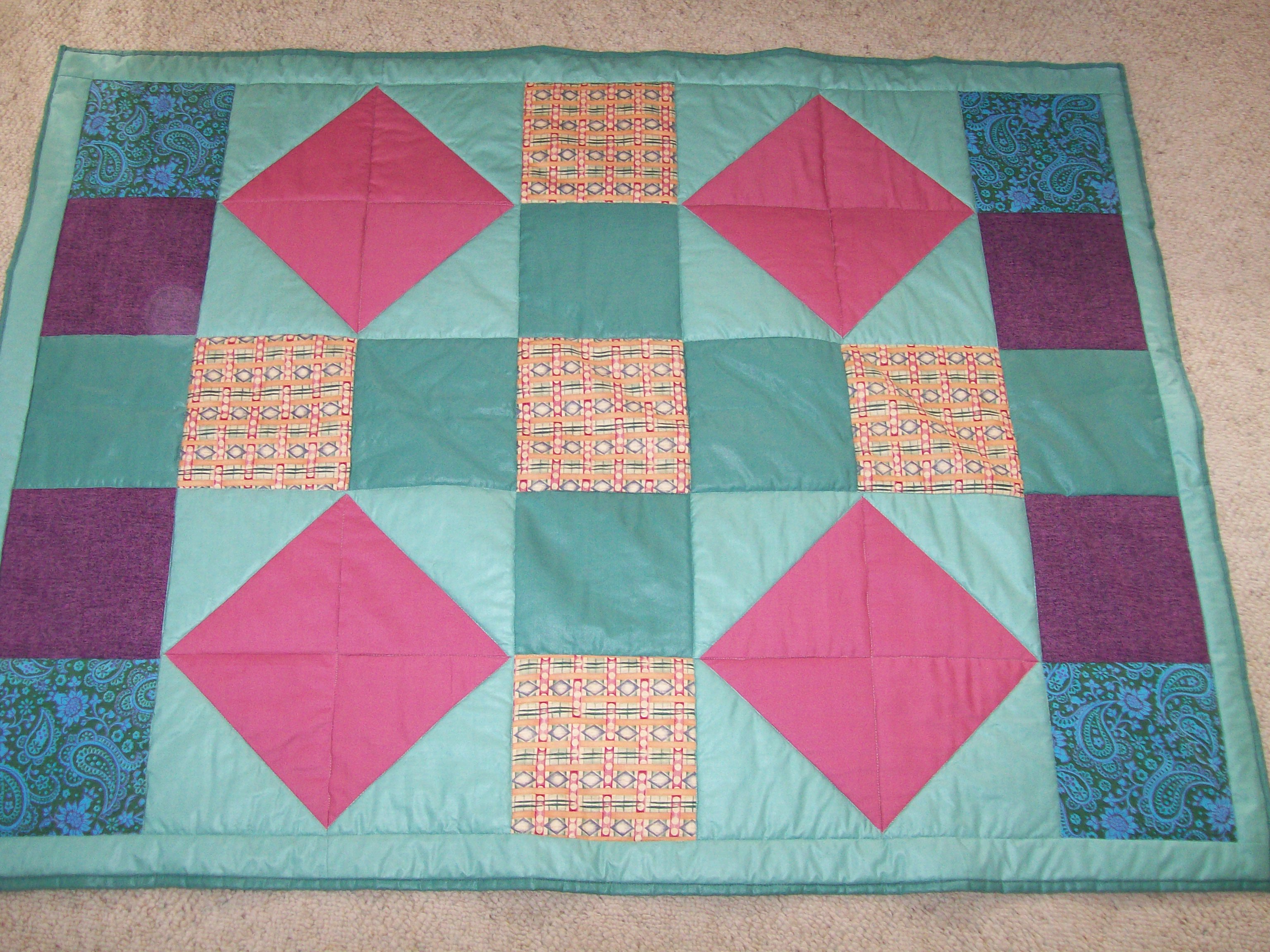
Gradually I learned to do piecing. Squares are still the easiest thing, but I did learn how to do triangles, which create diamonds.  Gradually I worked with larger sizes, though I don’t have space to do full size quilts.

100_0535

What I like best is looking at colors and mixing and matching them.  I’ll never win prizes for my quilting, but I take pictures for my own remembering, and decided to share them.

Project Linus is easy to find at http://www.projectlinus.org.

100_0494

Location, location

1 Comment

The weather here is back to good walking temperatures, and I’m out in the desert and in the sun more.  (In the heat I walk either briefly, around a few blocks, or before breakfast.)  Plants are blooming and grasses are going to seed.

100_1006

A fondness for nature and place is something I share with William Paley, whose book is the basis for my collection of poems, Made and Remade, due out next year.

The Bridge Outside Paley's Door

The Bridge Outside Paley’s Door

As the picture of the bridge at Wearmouth reminds me, Paley’s place is very different from mine, but when he talks about the joy of walking out in nature, I know whereof he speaks.  I tried to express this in “Shared Ground,” previously published in Ascents.  (See more on the books page for that volume.)

Shared Ground

Walking among new-born
flies, aphids, all nature
to feed his wonder, the parson
loses regrets (the bishop’s ring
never bestowed) finds comfort
in common creaturehood.

He’s at home wherever
he walks, while I, creature
of foggy hills, green valleys,
walk on alien land where
nothing of profit’s produced,
nothing is wasted.

A jackrabbit feeds on
freeze-battered prickly pear,
bolts at my approach,
happy in his speed, doing
what he’s made for.

If the universe has a maker
is it made less lonely?
My legs being made for walking,
their motion settles my spirit.

Southern New Mexico State Fair

1 Comment

Southern New Mexico State Fair?  There is no State of Southern New Mexico, so how can this be a State Fair? The title is meant to convey that this event at the Dona Ana County Fairgrounds is a multi-county event.  The population of most of the southern counties, however, is such that this “state fair” is rather less than the Santa Clara County Fair in California which I visited as a child.  It is smaller in acreage: the county fair had a truck-pulled train to take people from the entrance to the animal barns at the back of the property.  In between there was room for an airplane or army vehicle display.  The county fair had four exhibit buildings.  The SNMSF has only one.

In spite of its smallness I do visit the local fair every other year or so, as much for nostalgia as anything.  I loved the rabbits and poultry when I was a child.  We have those here as well.rooster


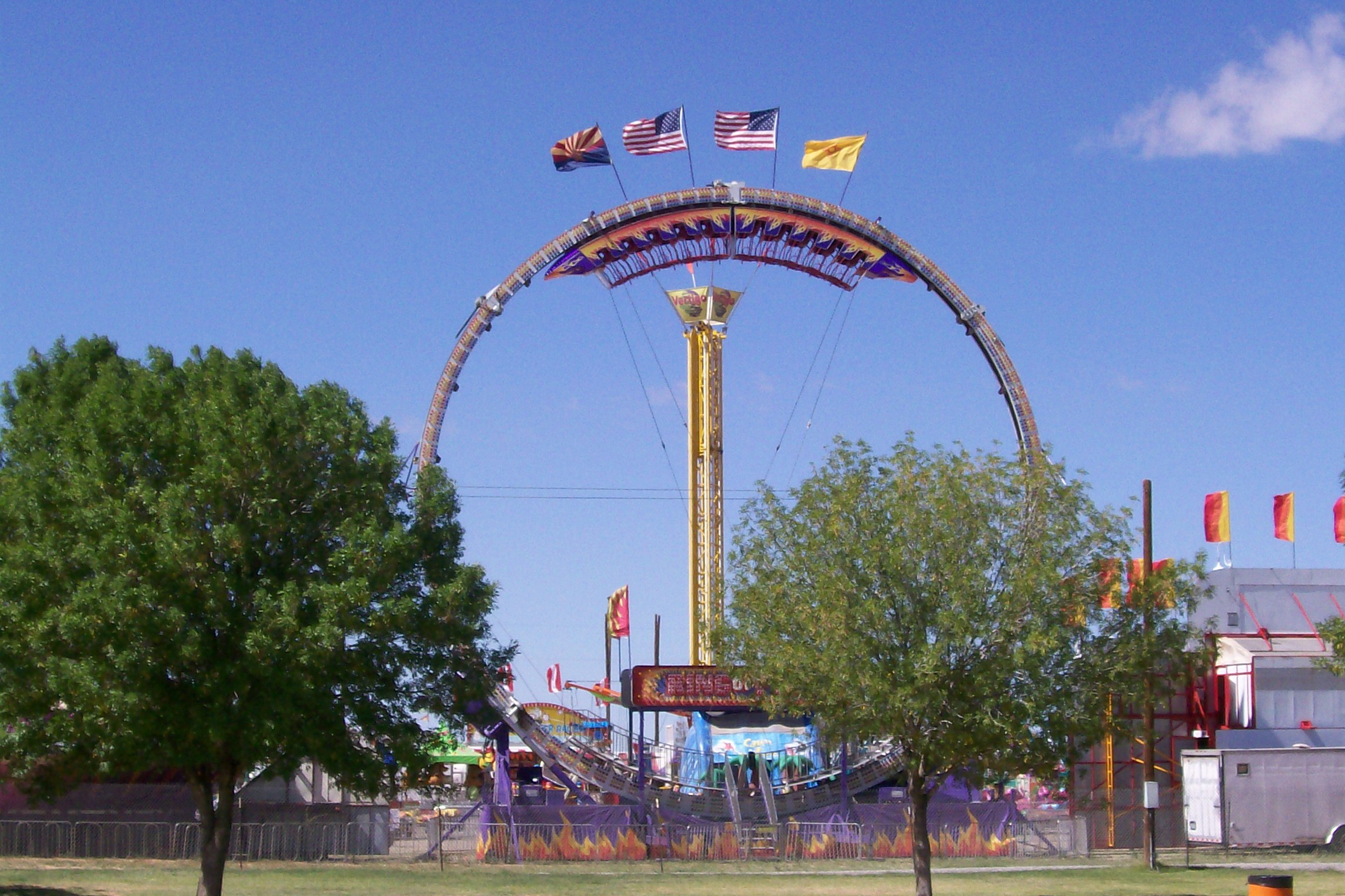
There is of course a midway.  I suppose I thought as a child that those rides sat on that ground through the year.  It is evident that at the local fair, they don’t.  There’s an Arizona flag at one end and a New Mexico flag at the other, suggesting the territory this ride concession serves.midway flags closeup
All fairs, I think, have shiny new farm machines.100_0990

Something that I don’t think existed when I was a child was the climbing tower.  Notice the flags on this one.  They worship the almighty dollar?100_0997

And there is always food.  The quesadilla booth wasn’t open yet when I was there, so I decided on a funnel cake.  Funnel cakes, like “Philly” cheese steaks, were foods I knew nothing of until I moved to Pennsylvania.  They’ve crossed the country, but the funnel cake I had was not up to the standard of the one which I considered the special treat of the annual flower show in Philadelphia.  (The flower show was aptly timed for March, a convention center full of flowers and shrubs when it was still winter outside.  The funnel cake was just a side benefit.)100_0982

I did not see any cotton candy, which was the treat I liked at the fair as a child.  There were many souvenirs, but no kewpie dolls, the little plastic dolls on wooden sticks.  My parents did not approve of them, so they remained at the stand.  Nowadays, I don’t need souvenirs.  I have memories of fairs I’ve been to, and expectation of visiting again in years to come.

Older Entries Newer Entries