Home

Seventieth Anniversary

2 Comments

I was out for an early walk to avoid the heat this morning, and noticed how dark it is at 5:29 at this time of year, not the deepest dark, but still a while before dawn. It was seventy years ago today that the bomb was tested about two hours’ drive north of here.

I decided this would be the year I go to visit Trinity site. A lot of others made the same decision. The first Saturday in April was Easter Saturday, a time when many people travel. The site is opened only once or twice a year, depending on government cutbacks. Reports afterward were that while there are usually about 3,500 visitors at these openings, this spring there were 5,500.

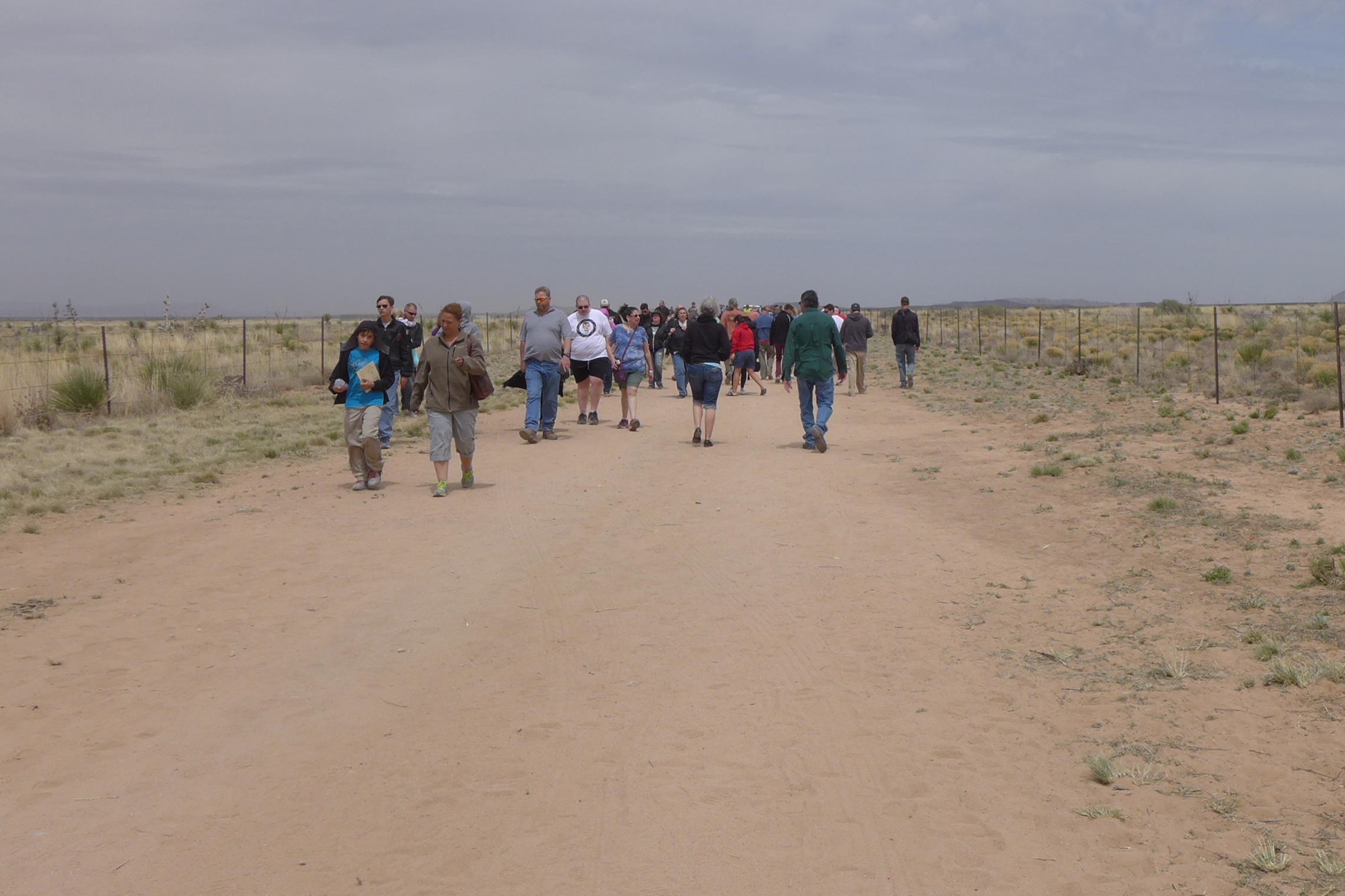
Trinity site is located on White Sands Missile Range. The army is good at managing crowds. They were set up to check four cars at a time going in the gate. When I got there the back up at the gate was three miles long; it took me 55 minutes to get in. After that there is a 17 mile drive to a large parking lot so people get spread out. From the parking lot it is a quarter-mile walk to ground zero.P1000421.trinity walk
The army is not so good at other aspects of hosting visitors. There was a large golf-cart type vehicle providing rides from the parking lot to the site for those who couldn’t walk it, but I noticed there were not enough chairs at either end of the run to accommodate people waiting for the ride.

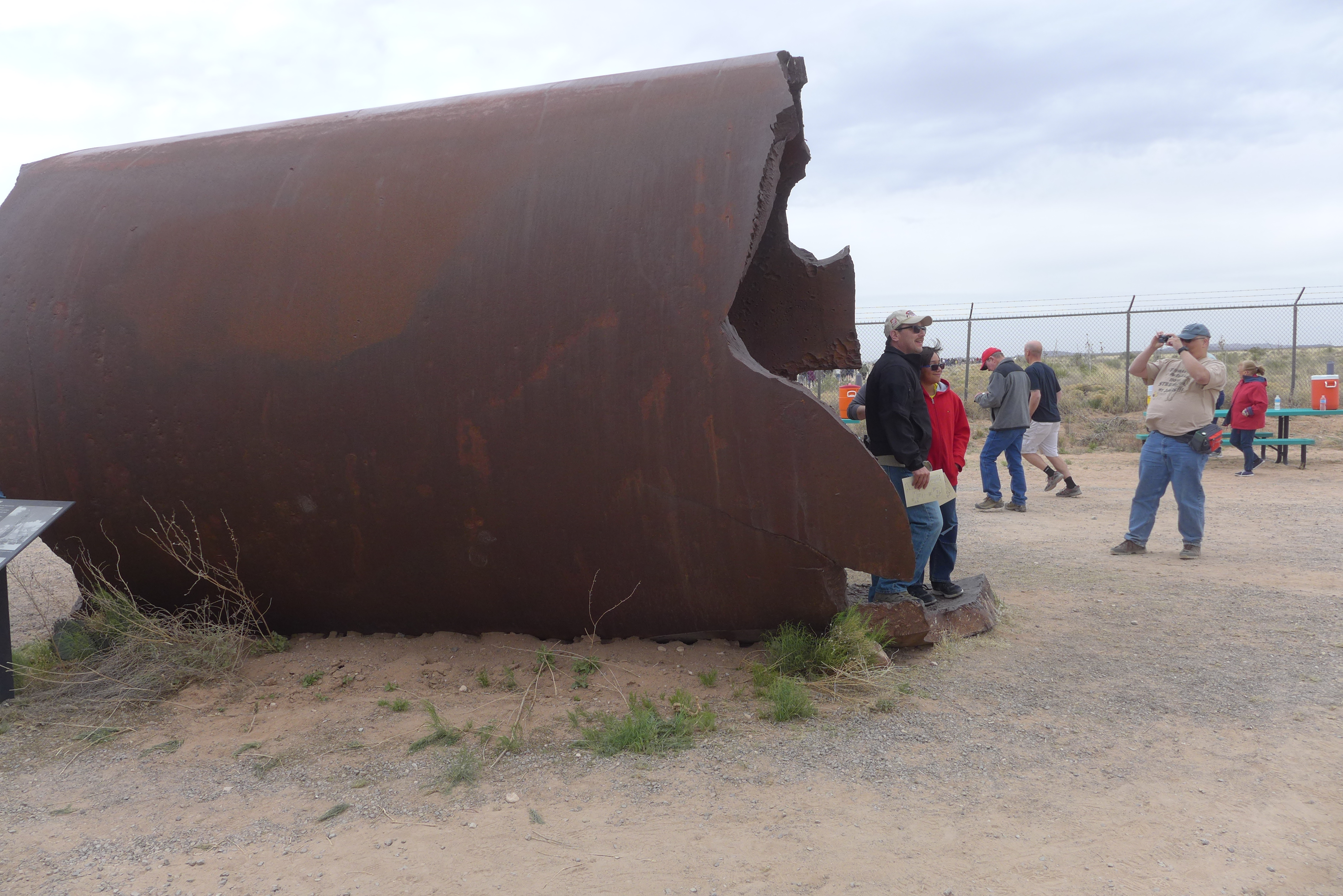
Some friends discouraged me from going. There’s nothing there, they said. It’s true that the crater has been filled in, to cover the radioactive green glass called trinitite which was the result of the explosion and to prevent its being stolen. There is trinitite for sale at locations around the edge of the range; some of it may still be the real thing. A few small samples are displayed at a table where the path meets the oval which represents the crater. There is a piece of one base for the tower which held the bomb, and two containers which helped move and protect the device. container 2
There are photographs hung on the enclosure fence, many of them of people responsible for the test, mostly white males looking pleased with themselves. If they felt any ambivalence about what they were doing, they kept it hidden from the camera.P1000424 cropped

It was once possible to view some of the trinitite on the crater floor. A structure was built with a window to look through. This is what it looks like now.P1000423

The army should have taken lessons from the National Park Service. “Years ago”? How many? And when was this sign installed? There’s no date given. “Years ago” sounds like the opening of a fable, or a tale of origins. It’s odd to find this in a place governed by scientific exactitude.

Outside the base, back at the road before the three mile backup, some people were protesting. They were not an anti-war group. They call themselves “Downwinders” and are asking for recognition and compensation for having been in the way of the radioactive fallout. No one warned them of danger. At the time of the bomb test no one had any idea what long range effects the radiation might have; though there had been accidents to show the immediate problems which high exposure caused.

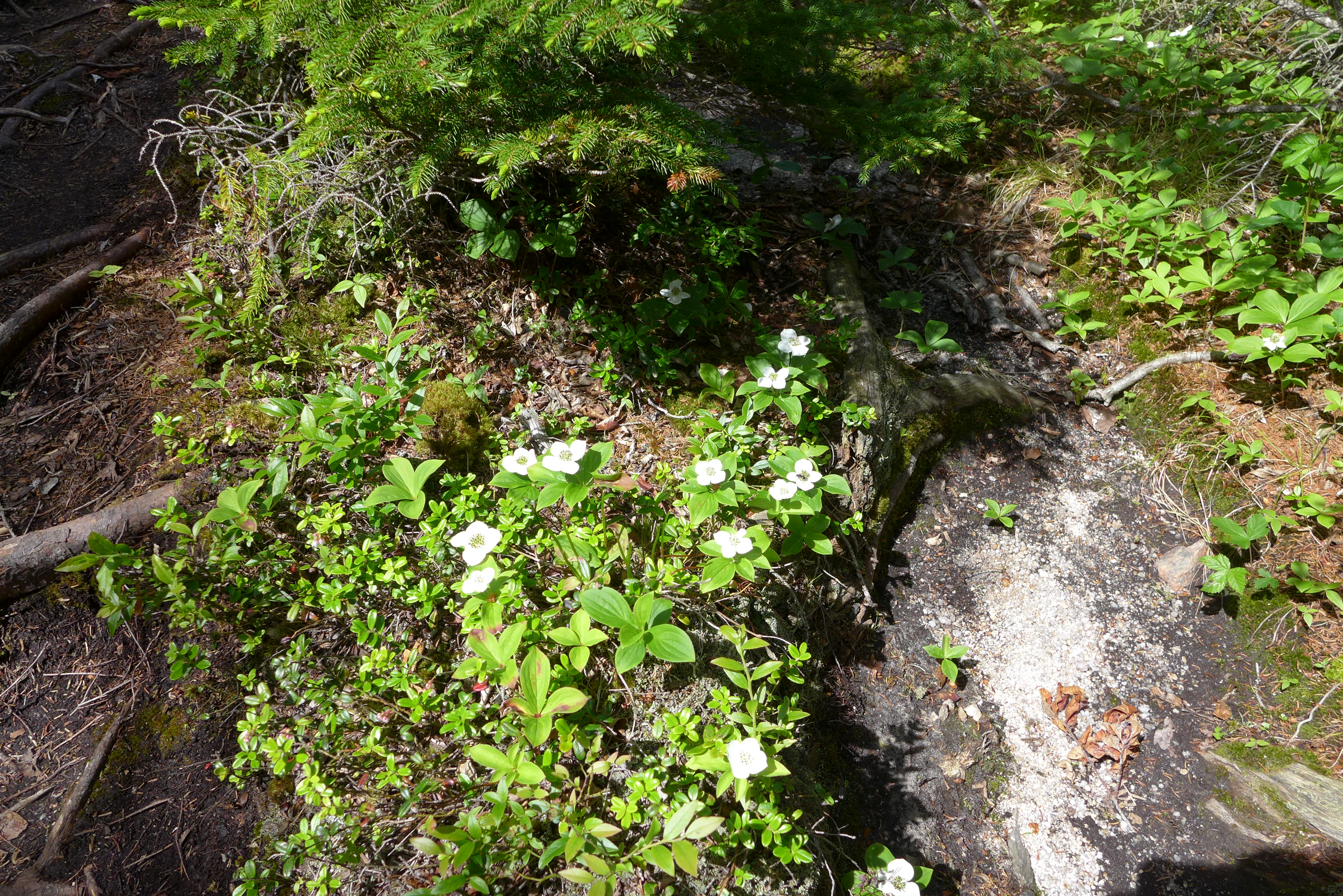
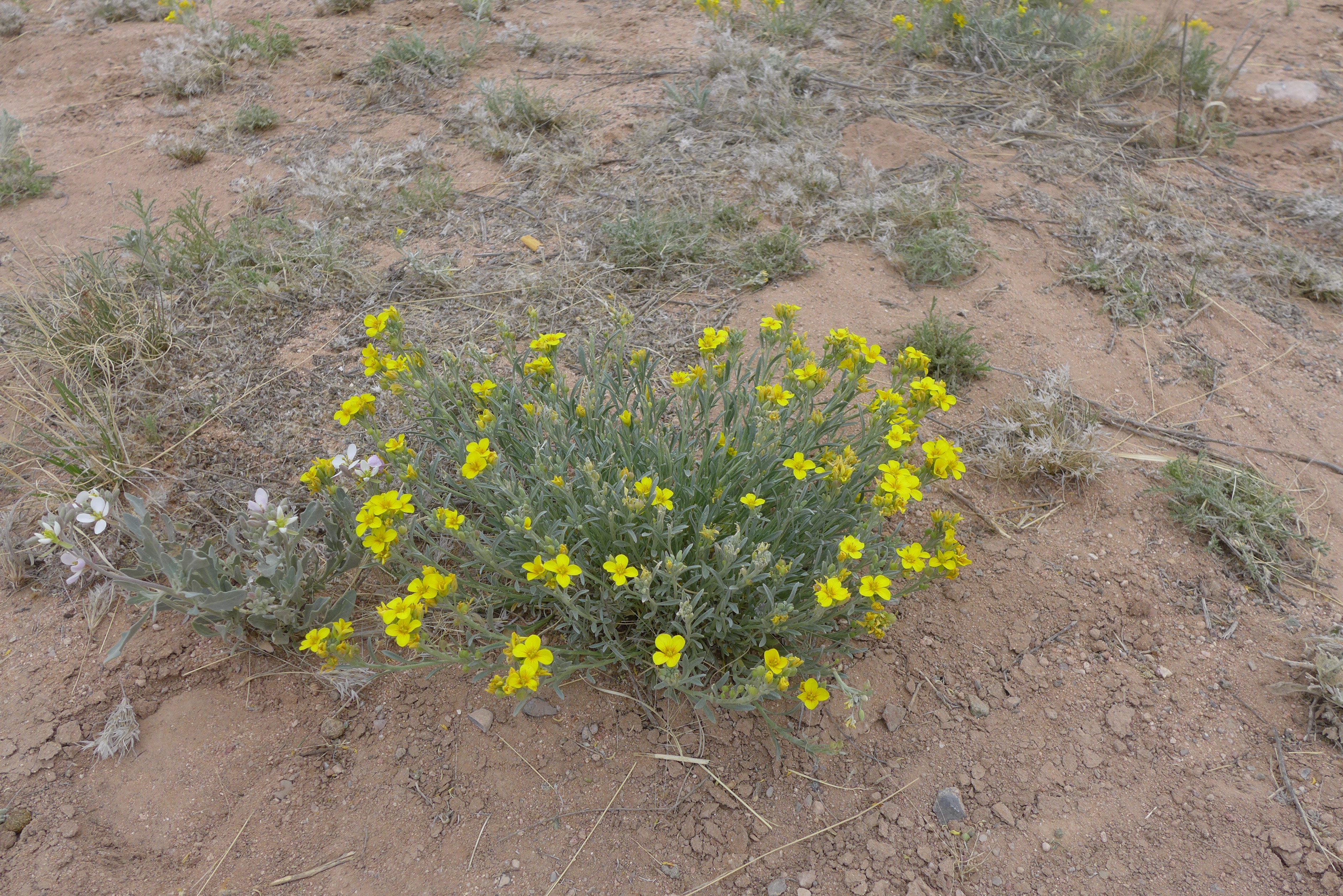
The scientists acted as if they were testing in an empty space. No place on earth is that empty. I’ll let nature have the last word. This was along the path back to the parking lot.P1000430 flowers
New Mexico History, in More Ways Than One

2 Comments

When I came to Southern New Mexico I quickly learned about Juan de Onate and his arrival in what is now New Mexico in 1598, which led to the founding of the city of Santa Fe in 1608.  Onate came north along the Rio Grande with troops, cattle and sheep and religious men eager to convert the local inhabitants.  They were coming to stay.

I only later learned that Coronado had reached New Mexico much earlier.  His itinerary, which was primarily a search for gold, took him north into Arizona first, then across into New Mexico, reaching the Rio Grande a little north of Albuquerque.

Rio Grande by Kuaua Pueblo

Rio Grande by Kuaua Pueblo

On one of my recent trips to Albuquerque I took time to visit the Coronado Historic Site, which should properly be called Kuaua Pueblo, one of several communities of the Tiwa people.  Coronado arrived in this part of New Mexico in the winter of 1541, and demanded support for his troops from several local pueblos.

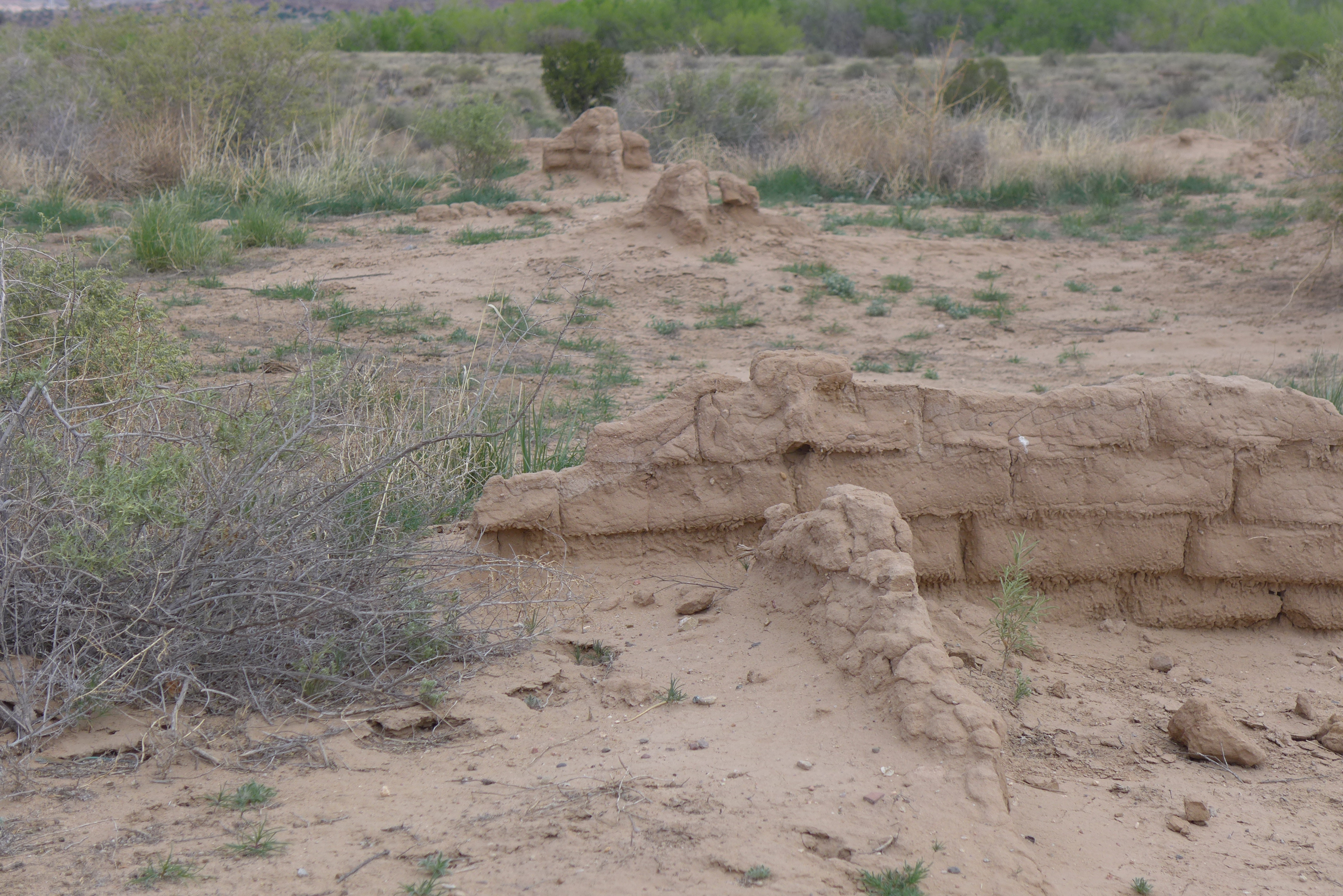
The museum part of the site was undergoing restoration, but there was a tour of reconstructed buildings, from which I learned some of the more recent history of the site.  There was much work done on the site in preparation for the 400th anniversary.  Excavations were done, covered over and replaced with reconstructions.  Unfortunately the reconstructions were done in adobe, and the wind and weather wore them down in a matter of years.

Early Restoration

Early Restoration

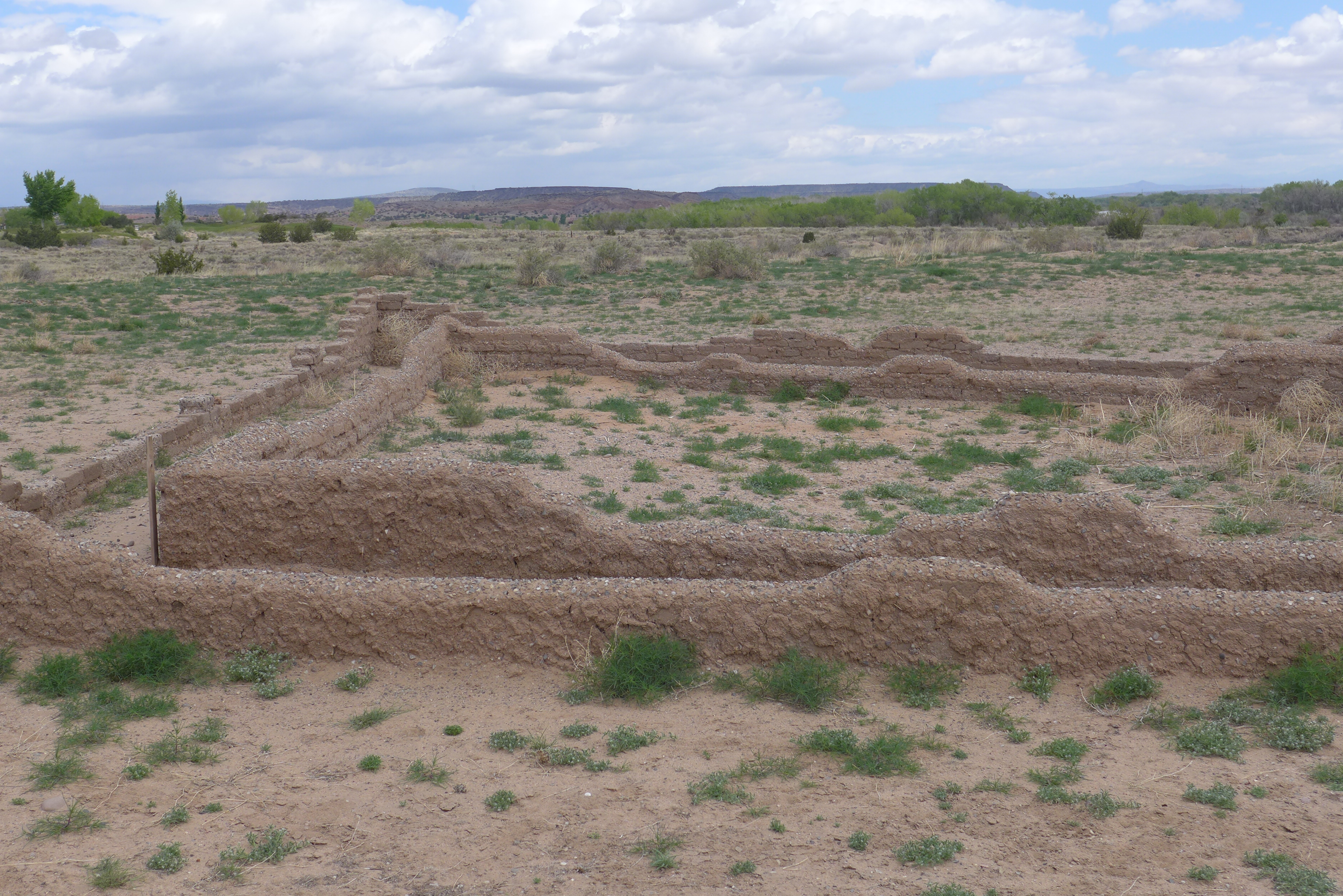
More recent restorations, still on top of the excavations, have been done in more durable materials.

Recent restoration

Recent restoration

More recent research has revealed that this site is misnamed because this was not the pueblo where Coronado quartered his troops.  That site is two miles to the south.  It came into private hands and now has condominiums on it.  So the Kuaua pueblo keeps Coronado’s name.

Outline of Kuaua plaza kiva

Outline of Kuaua plaza kiva

So, in addition to historical lessons from centuries ago, this site demonstrates the more recent history of restoration and research.

Road Maps

Leave a comment

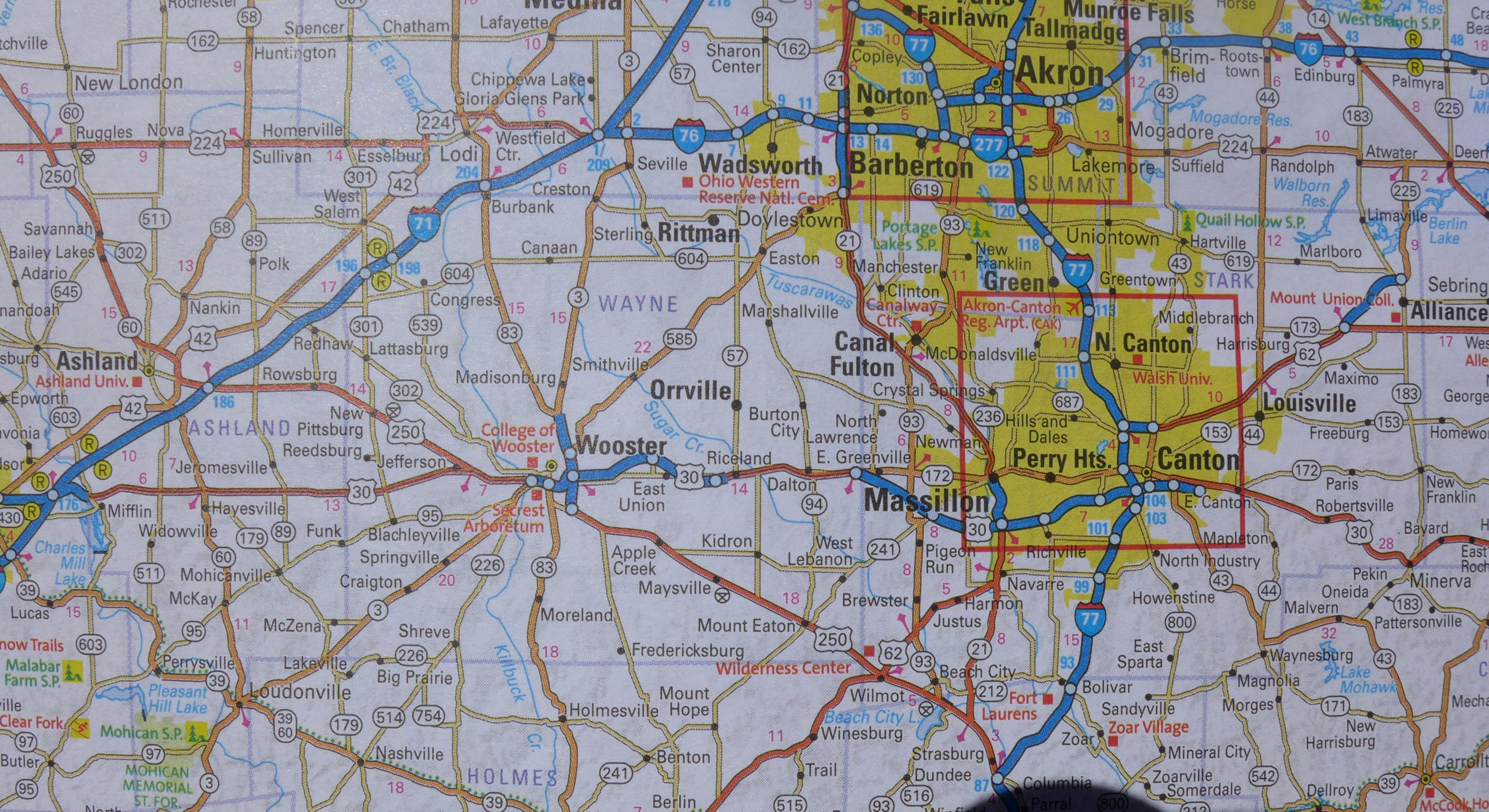
William Least Heat Moon’s book Blue Highways is one I enjoyed reading when I was younger.  It celebrated the lesser roads which were blue on road maps.  Not the least of roads, but roads that went to small towns off the U.S. Highways.

When the Interstates came in someone decided that their color should be blue.  Now another color was needed for the lesser roads.  On most maps I’ve used the U.S. highways were and still are red, except where they’ve been turned into limited access roads and are then entitled tobe colored blue.  What to color the lesser roads?  Our American Map uses orange for the secondary roads and yellow for those which are only “other paved roads.”  A nice color scheme.583 map 1

Except for the fact that colors carry emotional weight.  Blue is a color of hope “the wide blue yonder,” “the sky’s the limit.”  Orange is the color of danger.586 road sign 1

Orange is used for warning and road work signs because, as I have come to realize after seeing signs ahead on the road for years now,  it is the most visible.587 road sign 2

But orange as a line on a map doesn’t call us out the way blue suggests possibility.  And those big blue highways don’t lure us out, they command, insist.  Driving the big blue roads is a matter of minutes and miles, not of countryside and new impressions.585 map 2

Our U.S. map book is several years old now and we thought we should get a new one.  We have it in the car, but we don’t use it much.  The big blue roads look much like the roads in the old book, but all the other roads, major and minor, are pink.  We can’t get used to it.  What does pink have to do with going someplace? P1000588

Gray Rock

1 Comment

Or is it grey?P1000592A recent crossword puzzle had the clue: “grey and ochre”.  I knew as soon as I counted the squares that the answer was “colours.”   It’s that British “U” as in honour or labour.  I might not have caught on right away if I hadn’t been thinking about gray and grey – because I tend to switch between the two.  And I wasn’t conscious that “ochre” was a British spelling.  The “U” problem I had learned from work as a copyeditor.

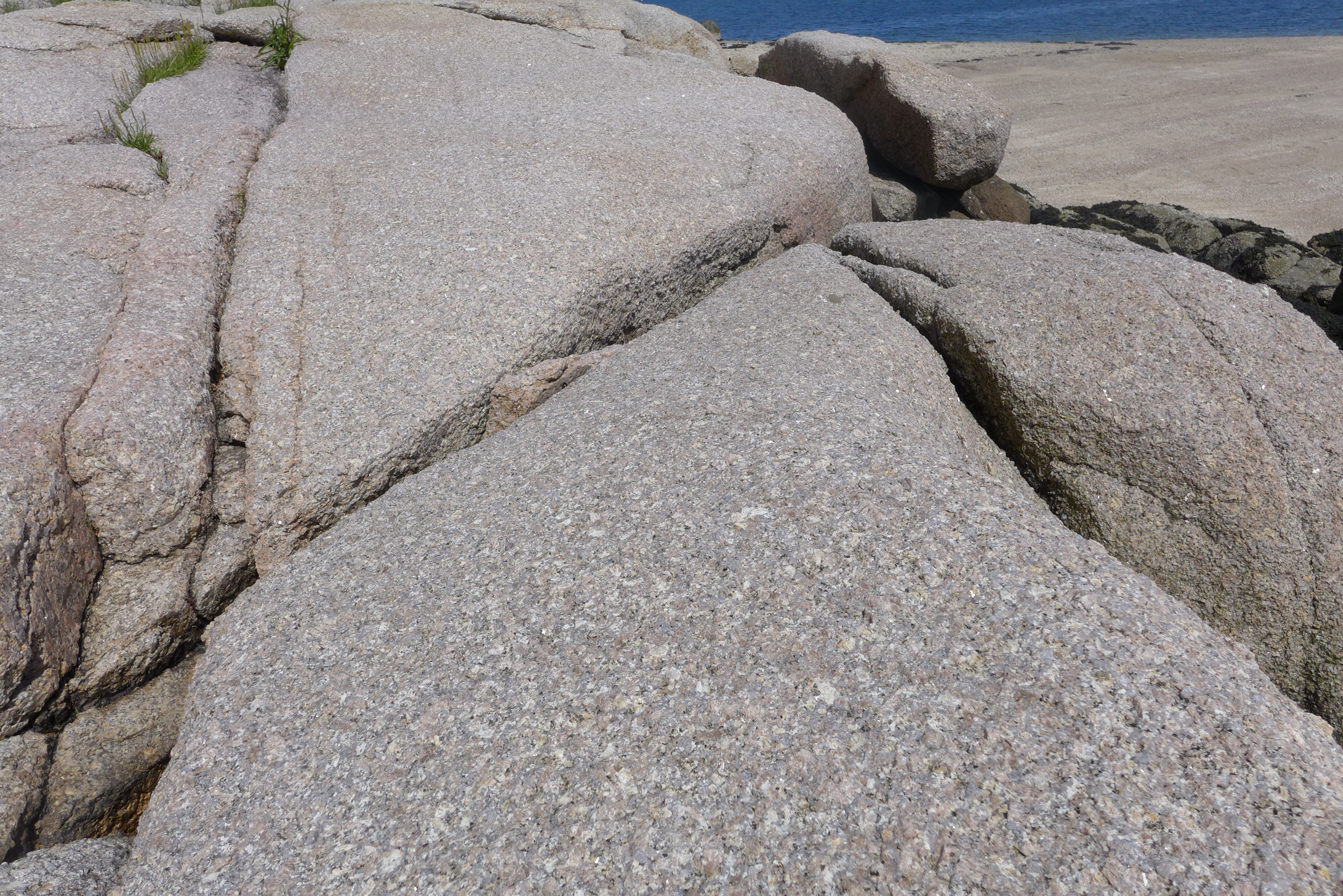
This gray is Deer Isle granite.  On closer inspection it turns out the color is a combination of gray, white and black bits.  When it is polished the black shows up even more.P1000589This small rock I found on our beach.  The large one is from a recent hike.  Nearby, I saw these flowers, whose names I wish I knew.P1000594

Shore Hike

1 Comment

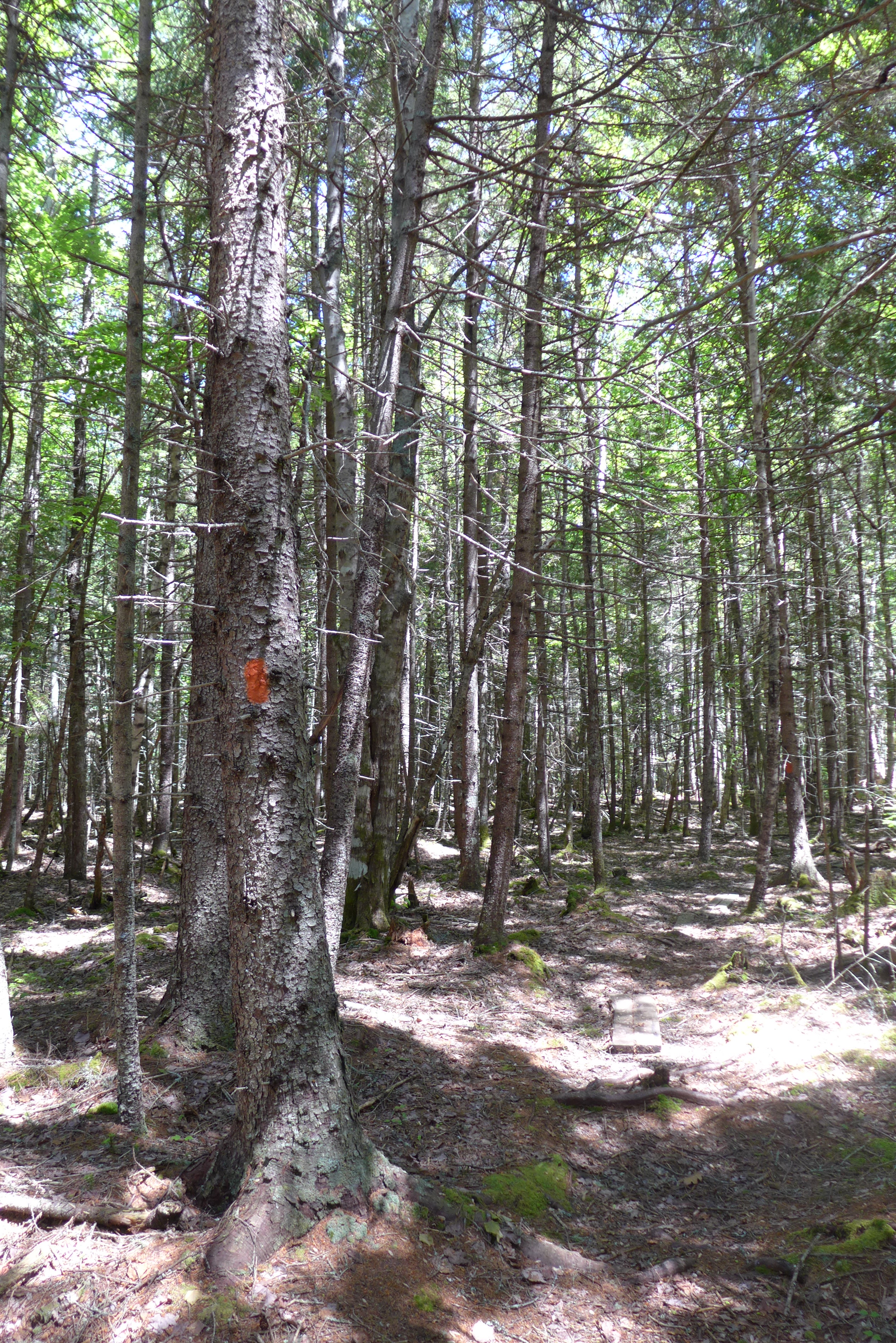
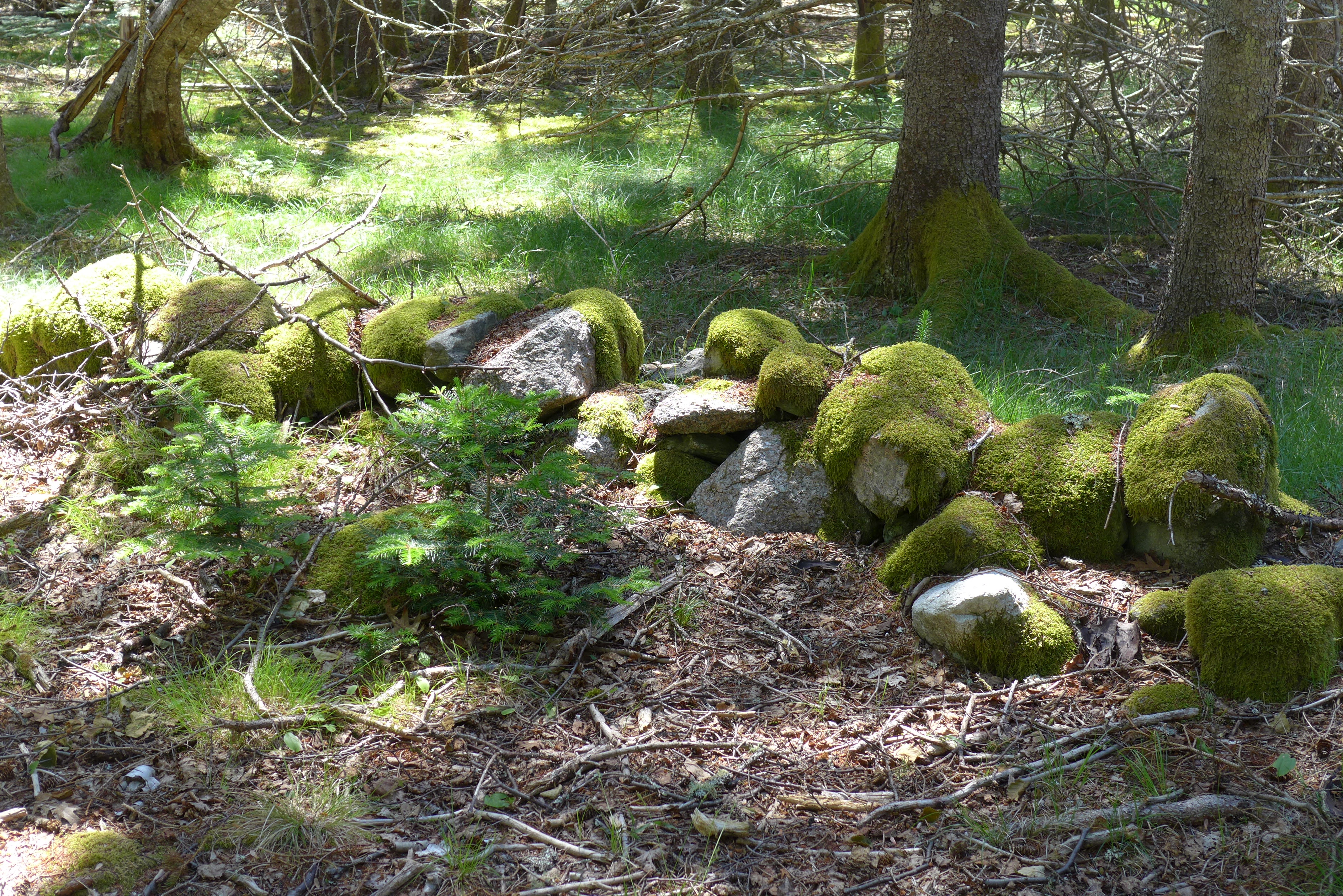
Maine is a huge state, but there are small hiking trails tucked away in unlikely places.  One is called Shore Acres, a walk through woods to the eastern shore of Deer Isle.  P1000568The trail is often swampy, but this year it was dry.P1000565

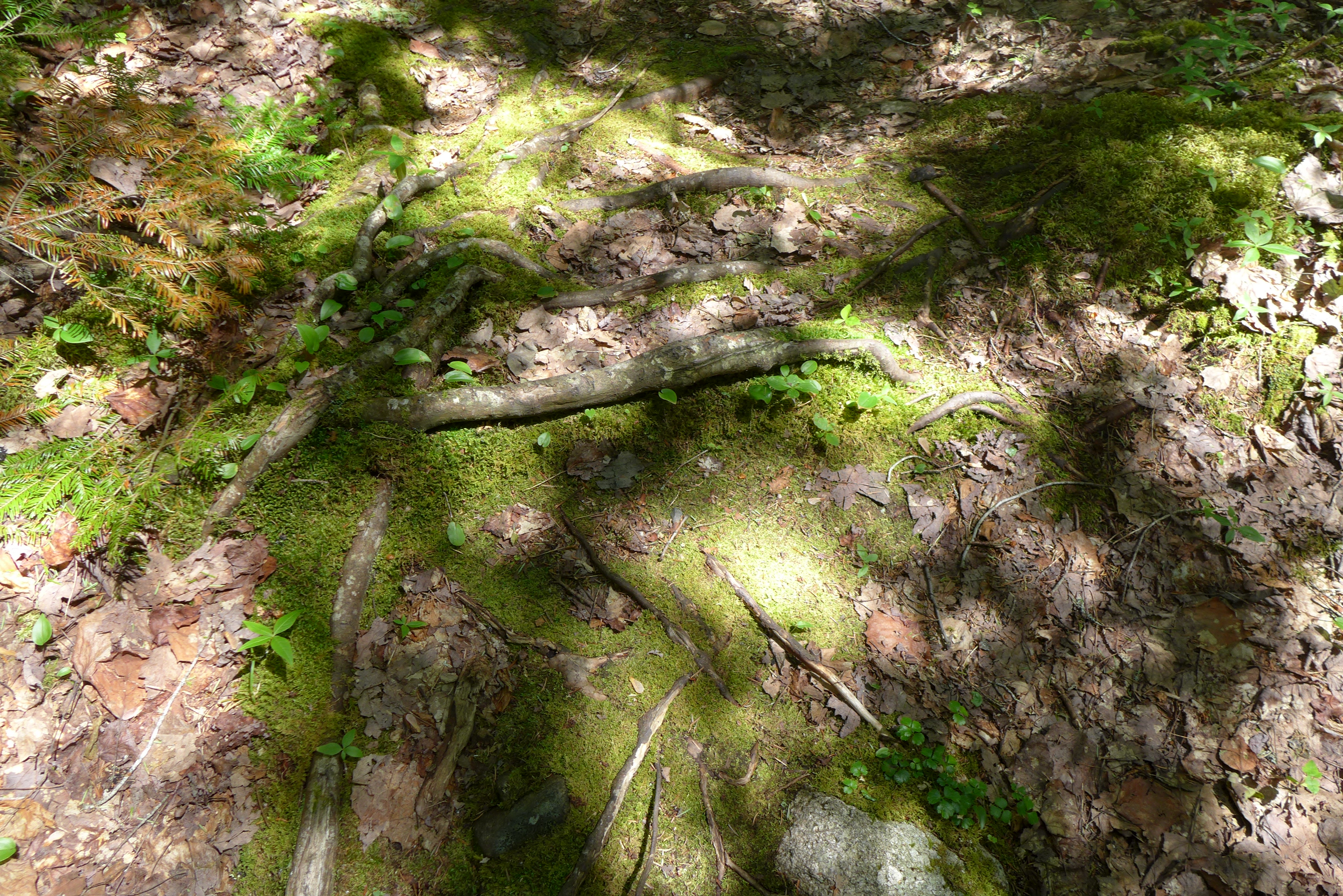
There’s plenty of moss, even in the middle of the trail.P1000567

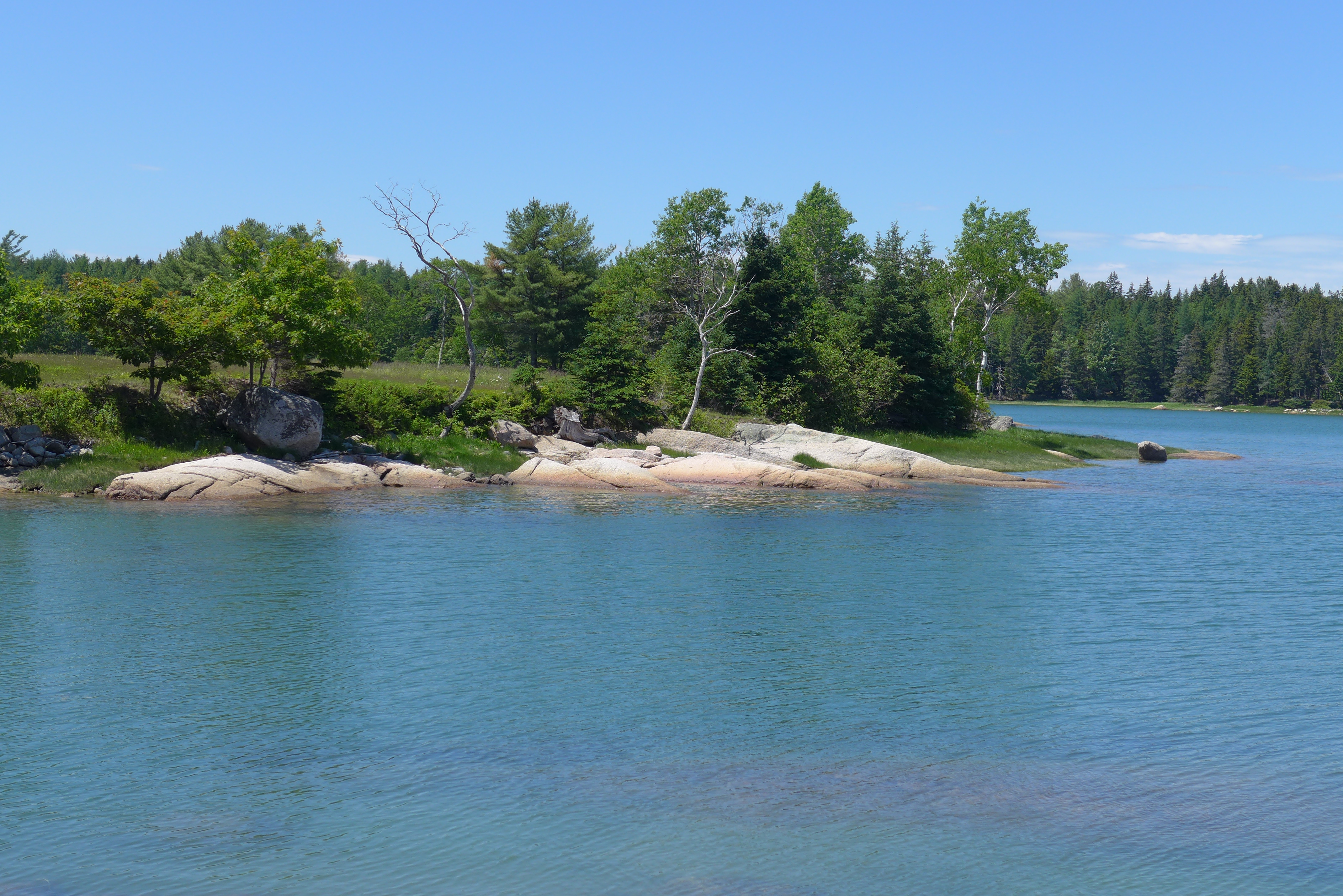
Huge granite boulders are characteristic of the eastern side of the island. P1000569

This pink granite is not Deer Isle Granite, however.  That has more black and gray, less pink. It was near high tide, when the boulders look their best, I think.P1000570

The trail back from the shore to the parking area is called Stonewall trail.  Who is Stonewall, I wondered.  Here he is.P1000580

A short walk, only a mile and a half, but someone has to maintain it.P1000582

This sign made me think of blogger Russel Ray (http://russelrayphotos2.com/)  I suspect he could make a whole post about this Anonymous, to whom we owe so many traditional songs and melodies.  And this Anonymous works all year, on an island that depends on summer people.

Hiatus

1 Comment

Hi-ā-tus.  Comes from the Latin hiare, to gape.  I wonder if that is connected to the fact that the “ah” sound is when the mouth opens widest.  The “a” turned long in hiatus, a word which first appeared in 1563, according to the OED.

I’ve had a number of gaps in my blogging in the past year, because other things got in the way.  Unscheduled interruptions.  I am now taking an intentional break.  I’m heading east and attending my college reunion.  I won’t have my laptop there.

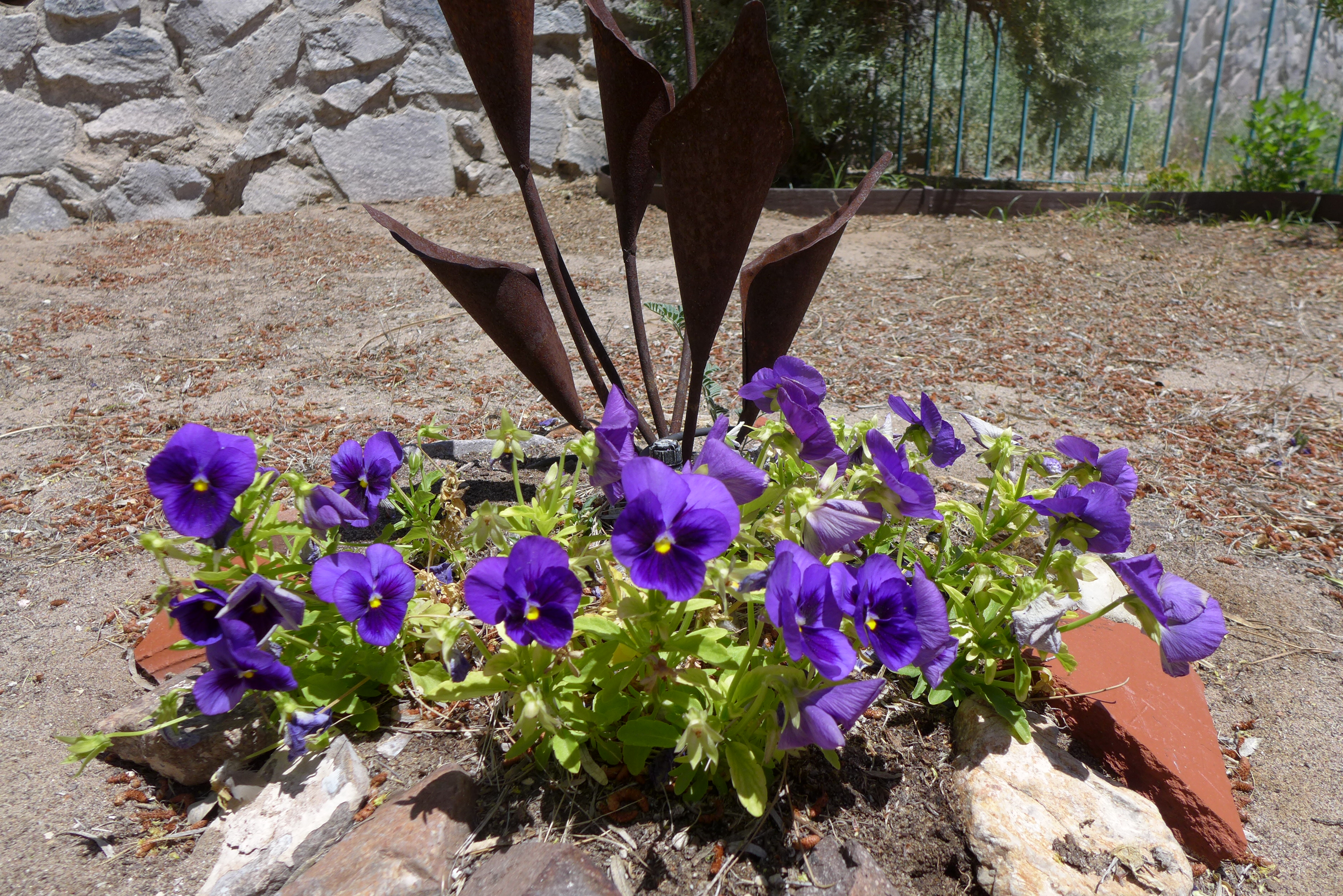
My garden is sending me off with some healthy looking flowers.  The pansies have given me color all winter and haven’t quit yet.P1000508

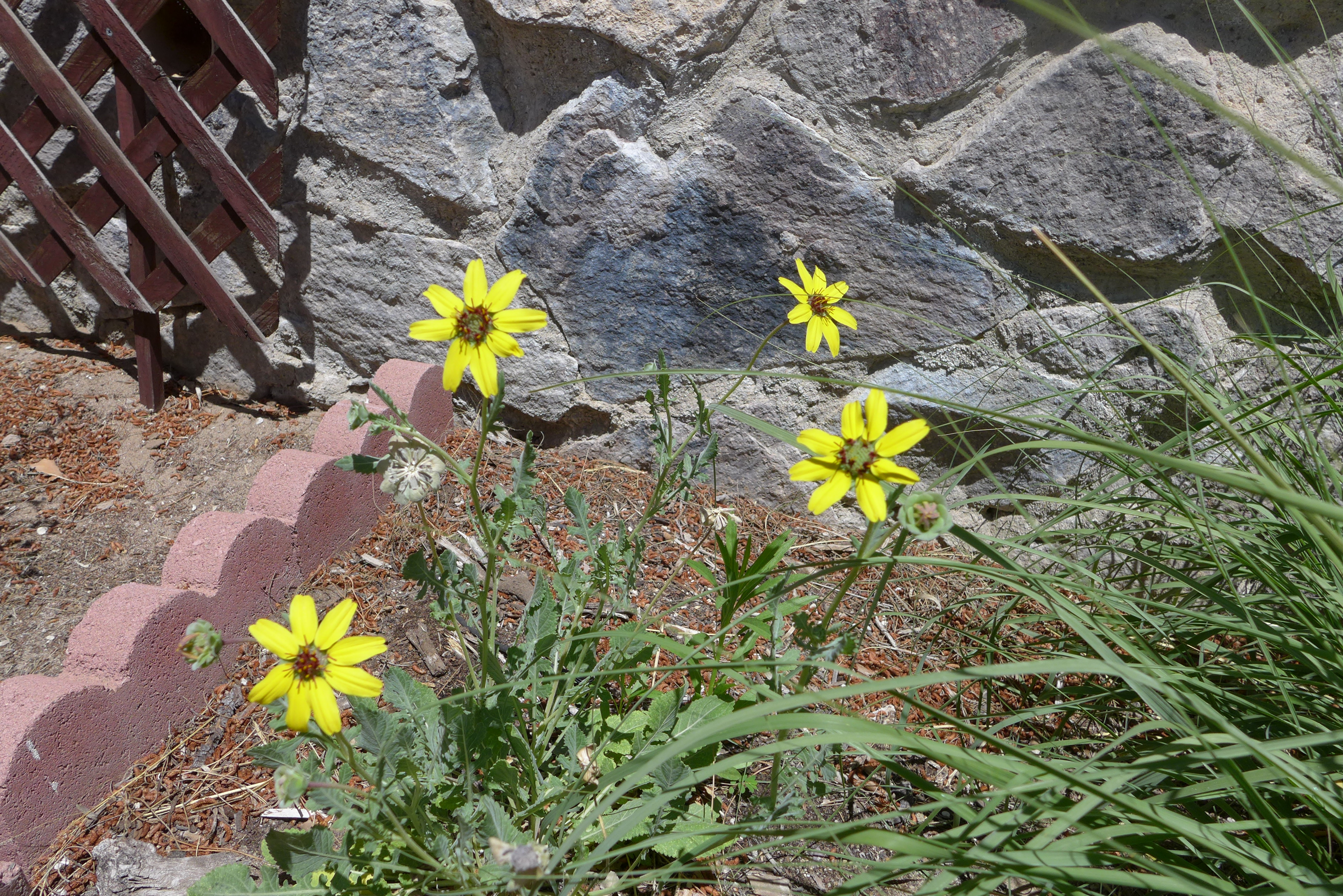
These yellow daisy-like flowers are called Chocolate Flower.  Supposedly they smell like chocolate if you brush past them early in the morning.  I’ve never caught the scent.  Maybe it’s not dark chocolate.P1000506

I plan to be back in action about June 1, with pictures, I hope, from past and upcoming travels.  And the new thoughts that being in a new place sometimes brings.

Sunrise, Sunset

3 Comments

Laurie Smith has a stunning sunrise on his blog this week. https://laurie27wsmith.wordpress.com/2015/05/08/fire-in-the-sky-at-the-writers-room/  It makes me think about how the setting of one’s house favors either sunset or sunrise, but rarely both.  We have sunrise over the mountains here. He gets lots of sunsets.  To get the picture, he had to look back over his house.

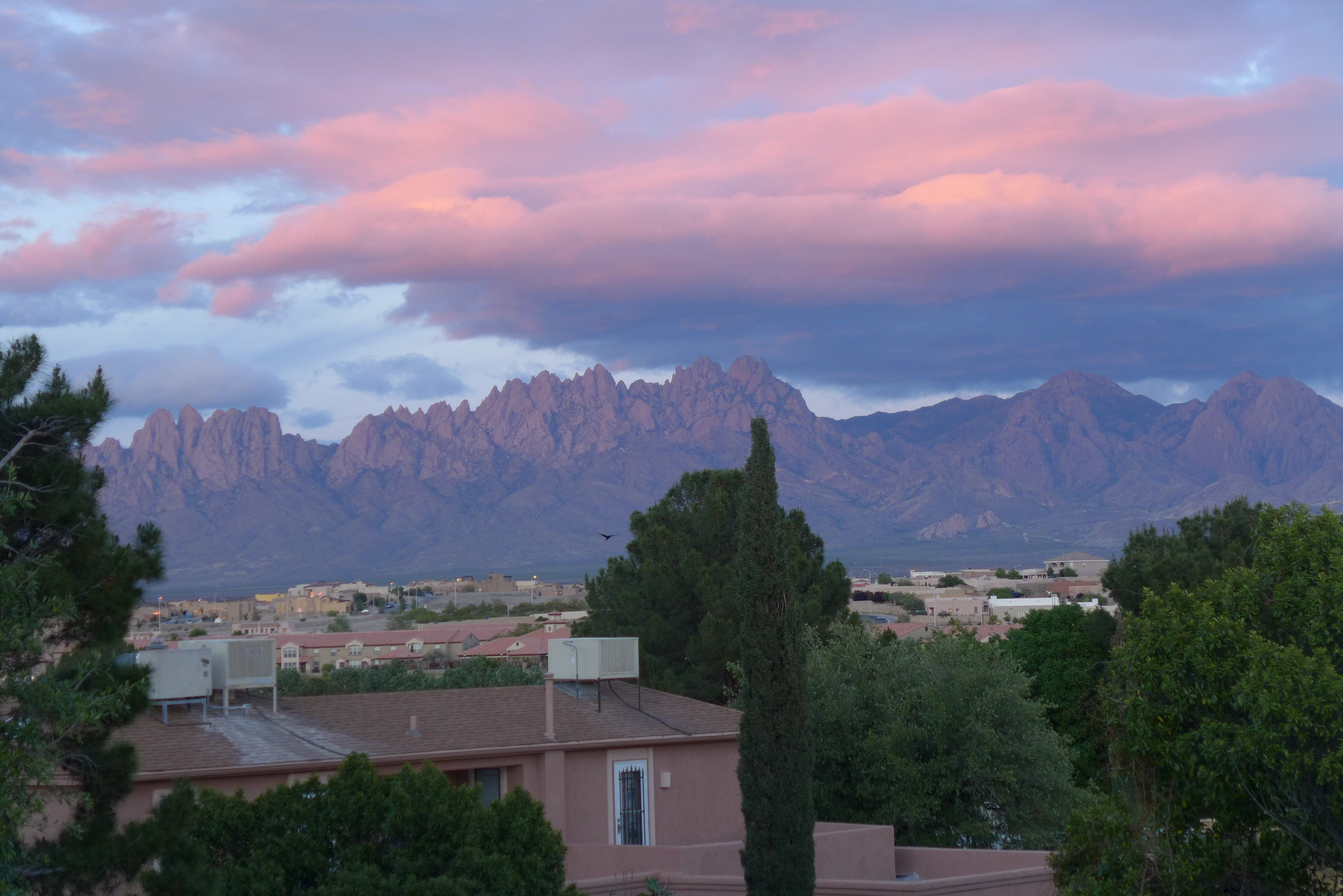
Now and then there’s a sunset here that brings a lot of color to the clouds in the east, as in this photo I took recently.

Sunset in the East

Sunset in the East

Laurie is a better photographer than I am, and the area around his Writers Room, located somewhere in Australia, has animals as well as plants to see.  Have a look at his blog.

More Spring Color

1 Comment

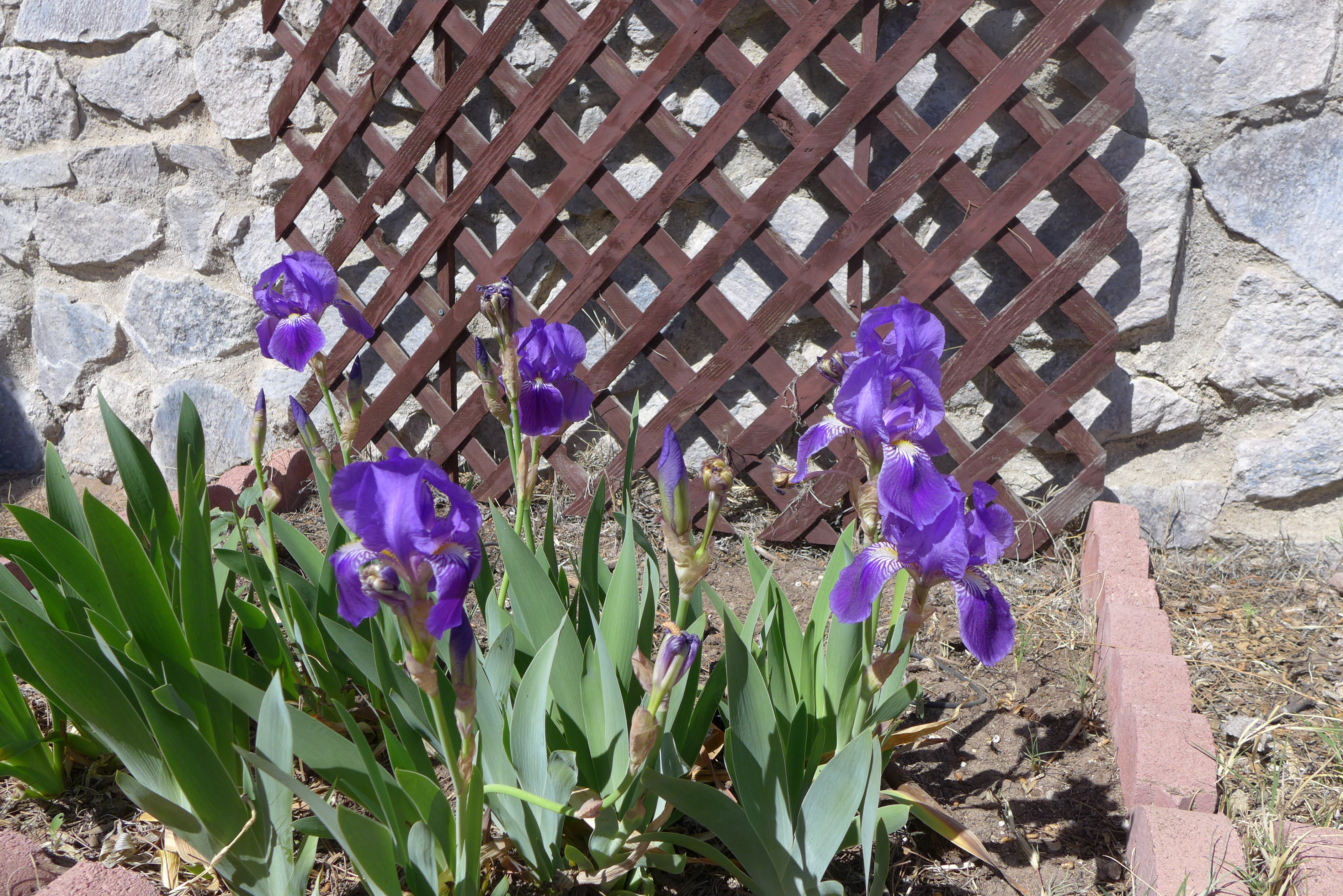
About two weeks ago, the blue iris burst out.P1000417

These came with the house.  That is, I found two very small clumps of leaves.  I didn’t know what they were.  When someone said they looked like iris leaves I transplanted them and they began to expand.  Only this last year did I get a lesson in when to feed them.  They appreciate being looked after.

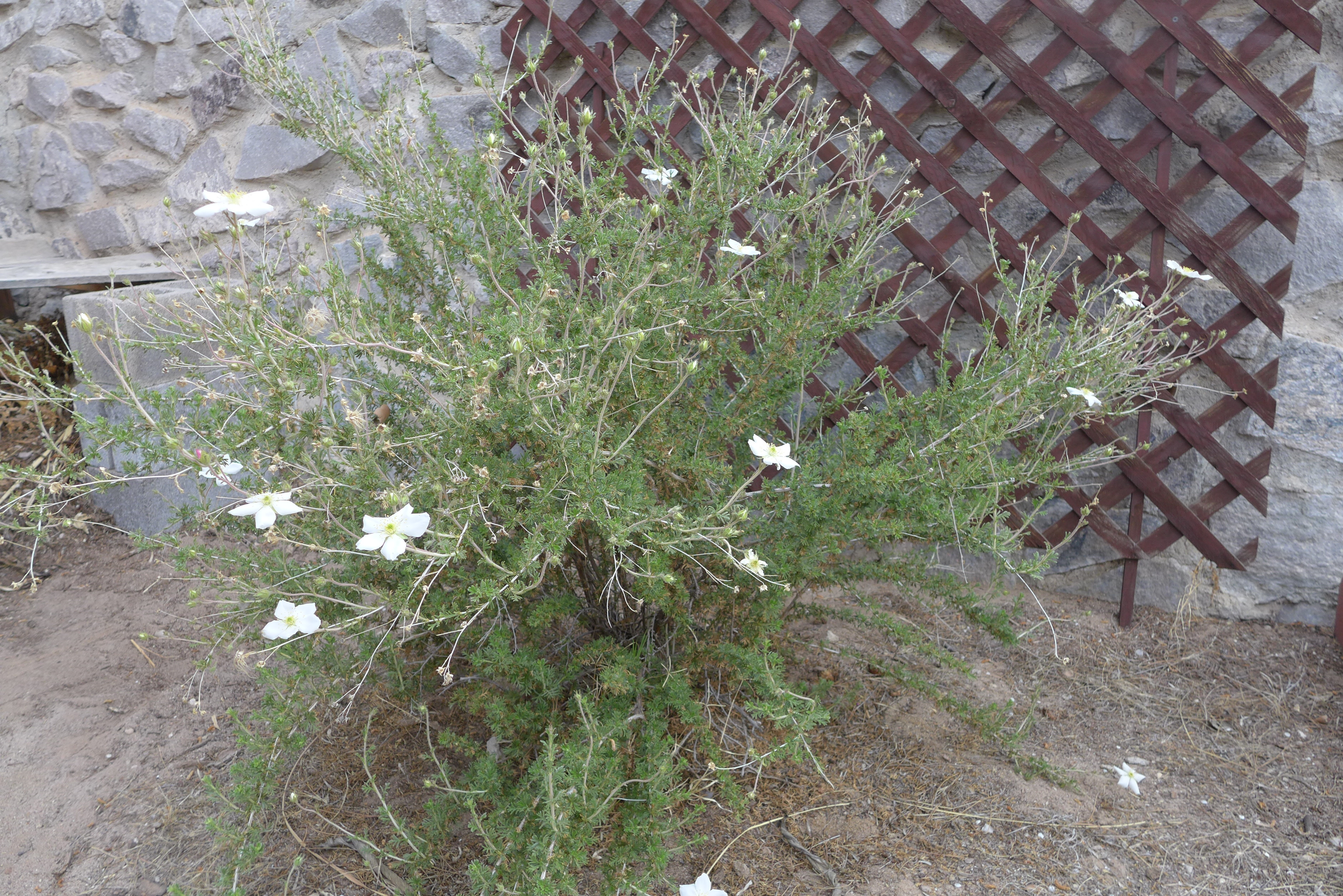
Another plant which came with the house is Indian Hawthorn, now in bloom.P1000418

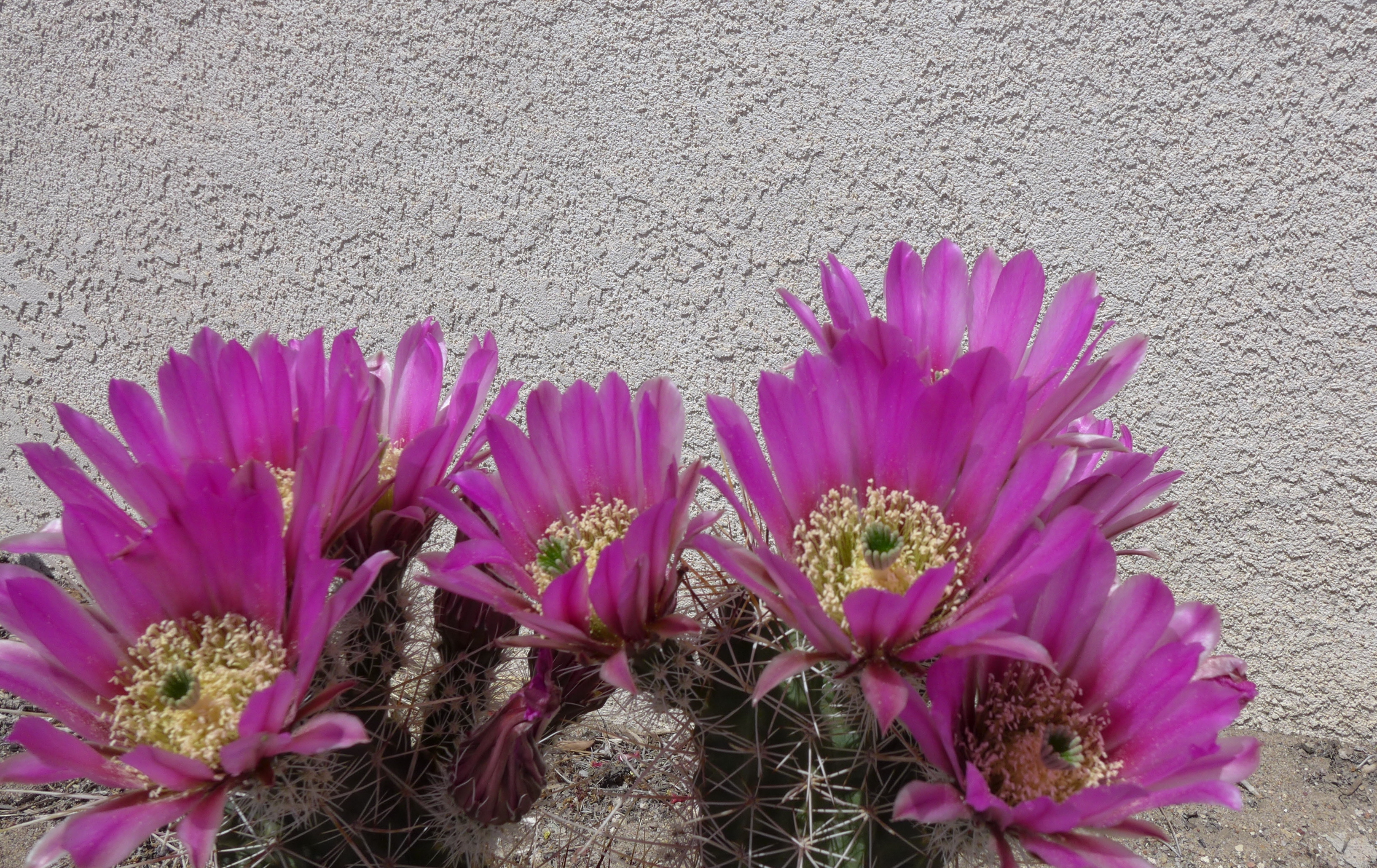
In the space vacated by a very overgrown sage plant (why would anyone plant something that wants to get six feet wide in a less than two foot wide strip?) I put this small cactus.  Its blooms, photographed last week, are already spent.P1000432 cactus bloomThe mesquite tree leaves are filling out.  That pale green color is appearing all over the desert areas: there’s a lot of mesquite in the area.P1000434One of the two little iris clumps turned out to be a white iris.  It is now in full bloom – but only one – while the blue ones have faded.  Obviously, this color is more finicky.  I’m hoping more attention will increase the blooms.  This one is planted outside my study window.P1000435

What’s There to Say About Poppies?

1 Comment

The poppies started showing up last week, here there and everywhere, and this week, some in our yard.P1000408

When they arrive I want to celebrate.  It’s spring.  I thought about poetry in their honor.  Could I do a riff or a twist on Wordsworth’s “Daffodils”?  It didn’t work.  The following is all I could come up with.

Gluttons for sun,
they shine it back,
closing at night.

They persist, pop up
every year, sometimes
fewer, sometimes more,

not in the same spot,
windblown annual
new every spring.

Poppies.  Spring.
Nothing more
to be said.

While poppies are the most colorful sign of spring, it is the mesquite tree that has the honor of signaling when winter is really over and there is no more concern about frost.P1000414

You can see how close I had to get to one branch of the tree to show the leaves beginning.  The apache plume, on the other hand, didn’t wait for any signal.  It went ahead and bloomed.P1000415If there are no poppies where you are, I hope the daffodils are coming up!

The Old and the New

4 Comments

This post is about what’s new and what’s not so new in my garden.penstemon 2This past year I added two Penstemon superbus plants.  One did not make it through the fall and winter.  This 50 percent ratio is typical of my efforts in the garden.  But the one that has survived makes me want to try again.

Chamisa, Fall, 2014

Chamisa, Fall, 2014

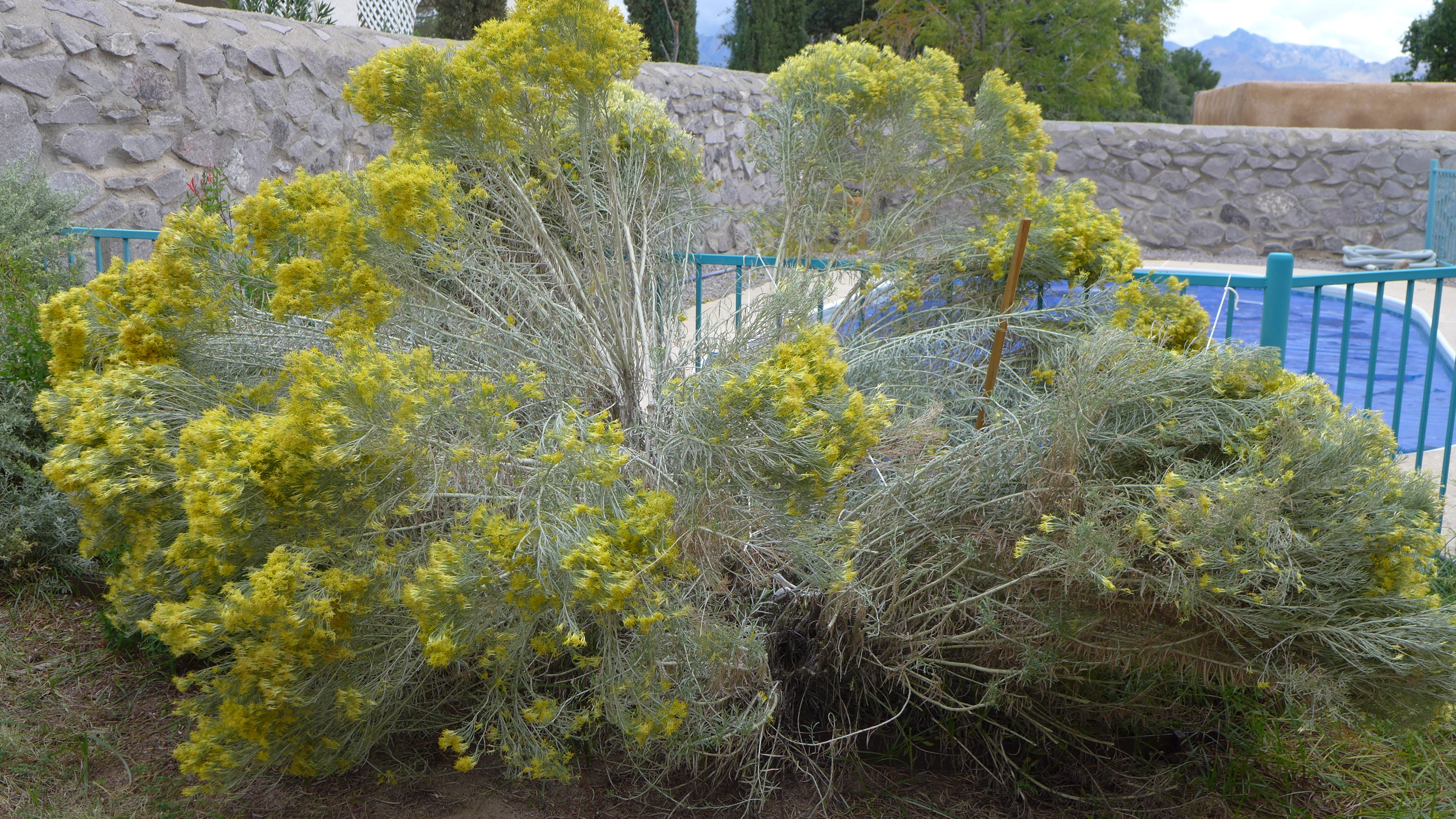
This winter I cut back the out-of-control chamisa, as close as I could get to the ground.  I thought perhaps it would give up.  As you can see, it did nothing of the kind.  chamisa

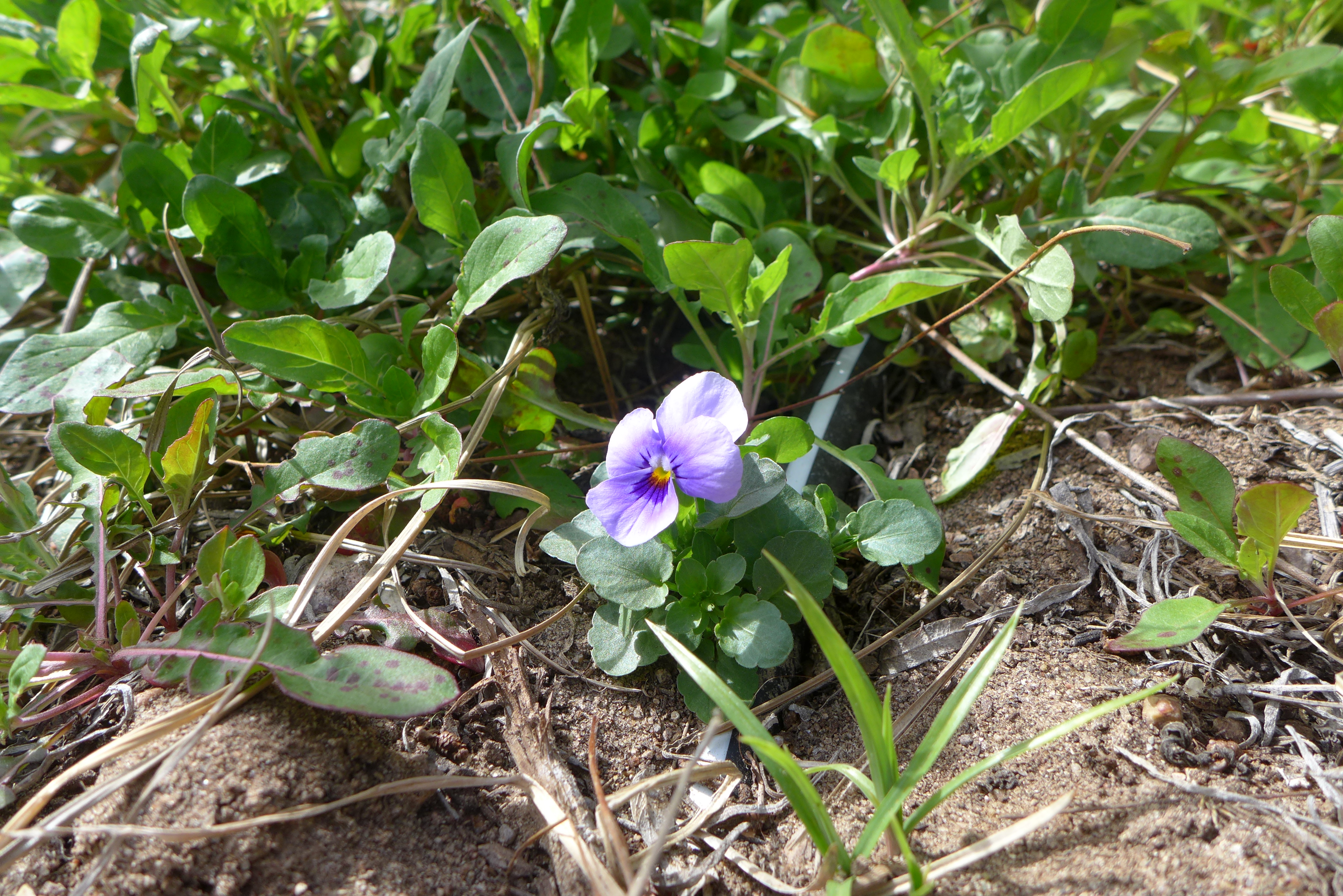
I can only hope this growth will be thicker and sturdier than last year’s, when I did not cut it back far enough.  The plant growing around the stumps is Mexican primrose, which has spread as if it, too, thought the chamisa was not coming back.  mexican primroseBut what is this little blue and white flower?  pansy

It’s a pansy from a seed that wafted from another part of the garden.  I am delighted when nature adds its own touches to my efforts to work with plants.  I can pretend we are a team, though I know I have much still to learn.

Older Entries Newer Entries