Home

Maine Woods

3 Comments

woods early

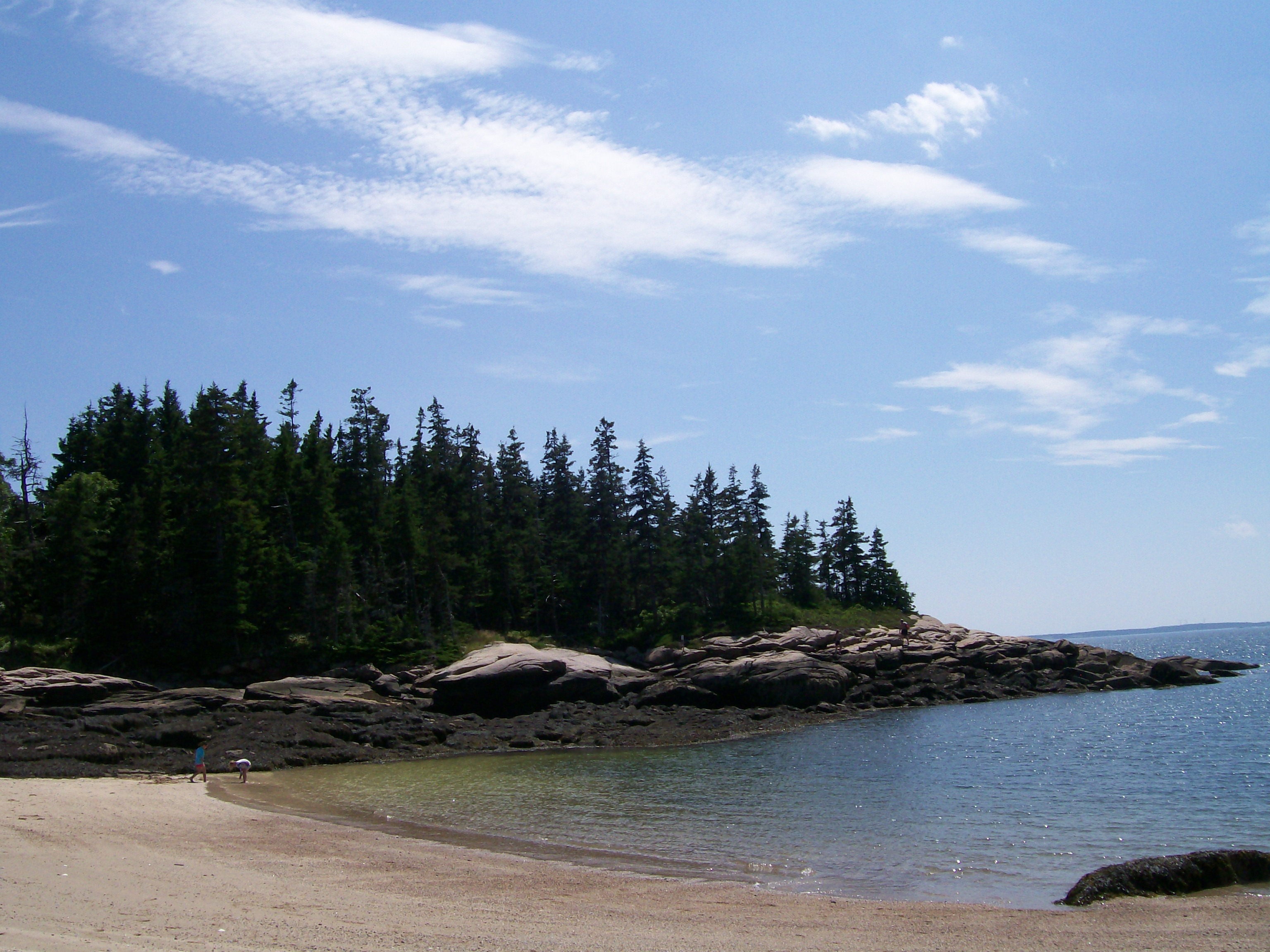
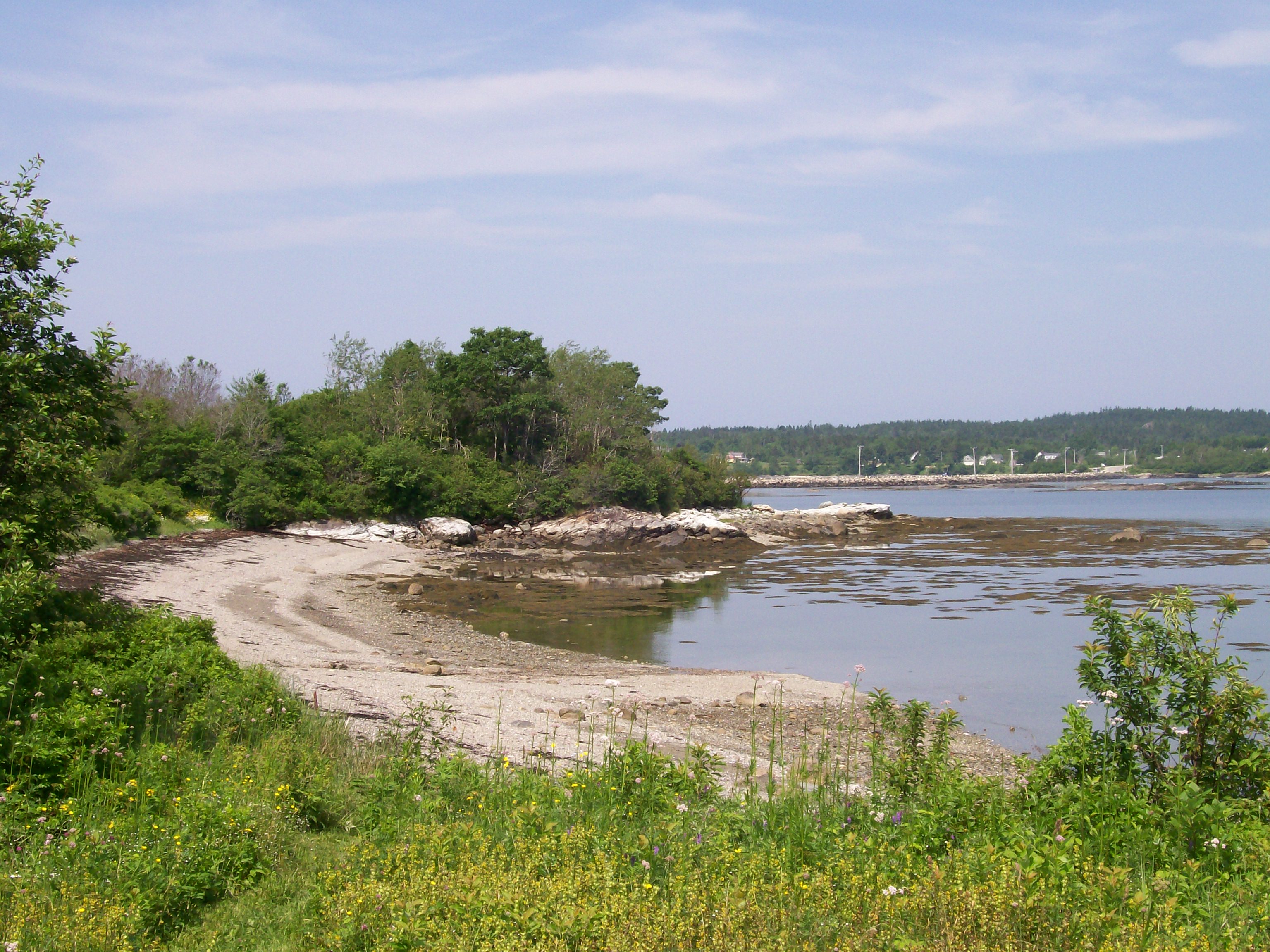
A few pictures from a hike I took recently through woods toward a beach.  It was a warm day, good to be walking among the trees, in and out of the sun.

path 2

The path was often exposed roots.  Apparently trees don’t mind being crowded.

barred island

The destination was this bar formed by low tide.  It is a real beach, and a popular one, though that doesn’t show here.  Two children were building sand castles at the far side; other people were set up with awnings and towels.  A lot to carry in for a mile, I thought.  I soon returned to the shade of the woods.

woods return

Maine Flowers

2 Comments

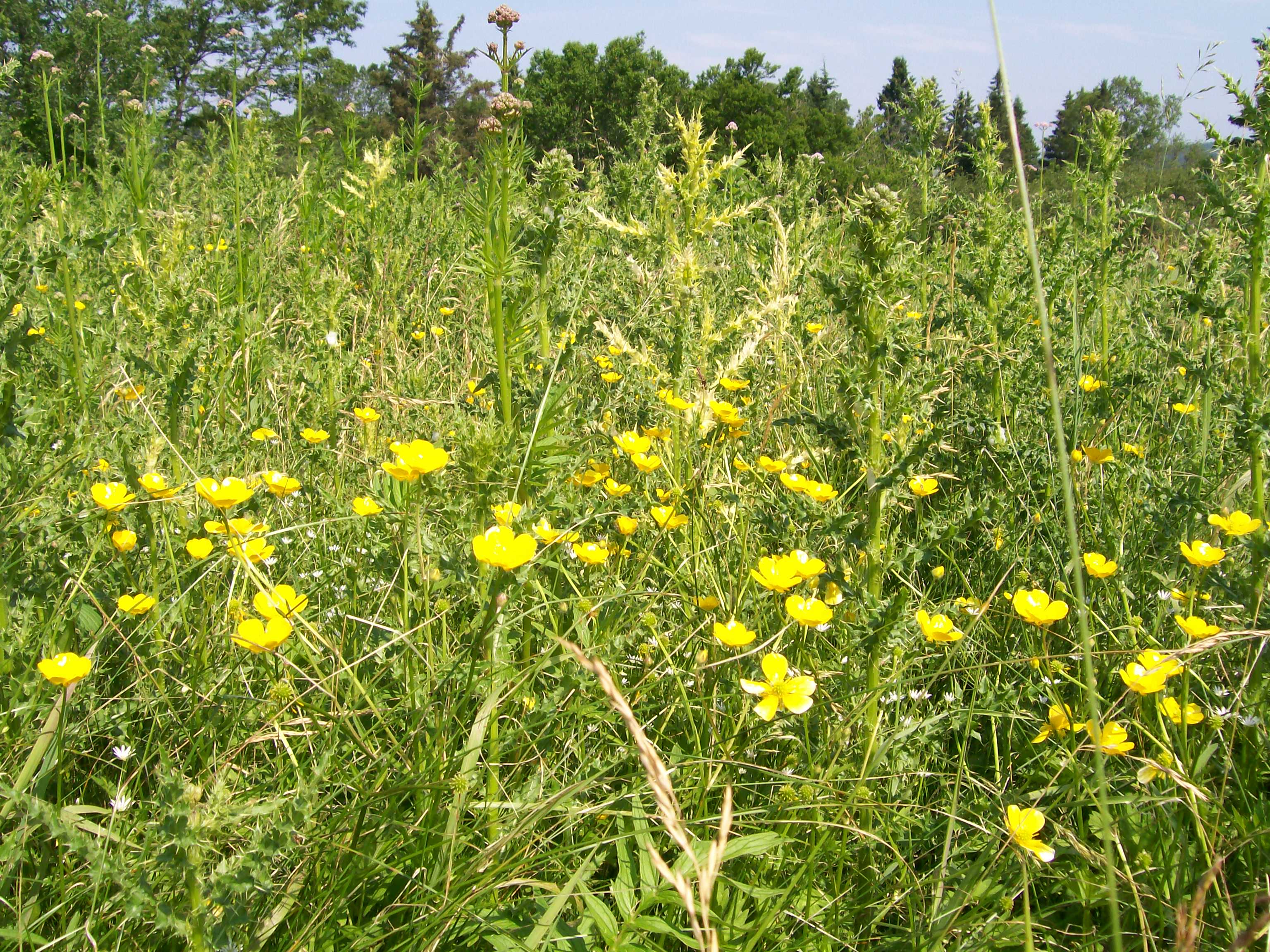
Buttercups

Buttercups

I visited a site which has human as well as natural history.  There was a store, a dock, a farmhouse, even an Indian shell mound.

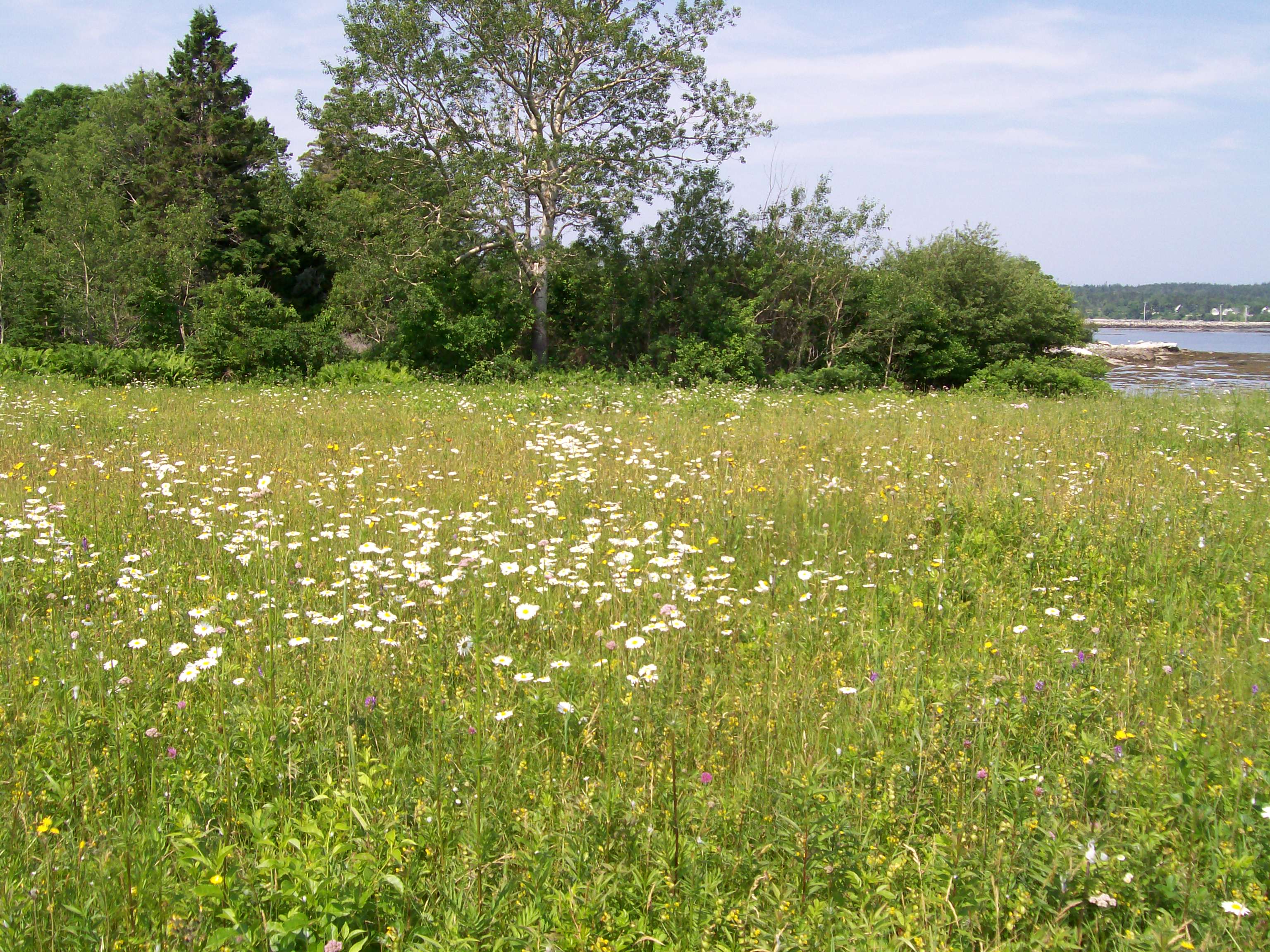
Daisies

Daisies

Now there is a beach and a meadow.  The native growth has covered all the foundations.

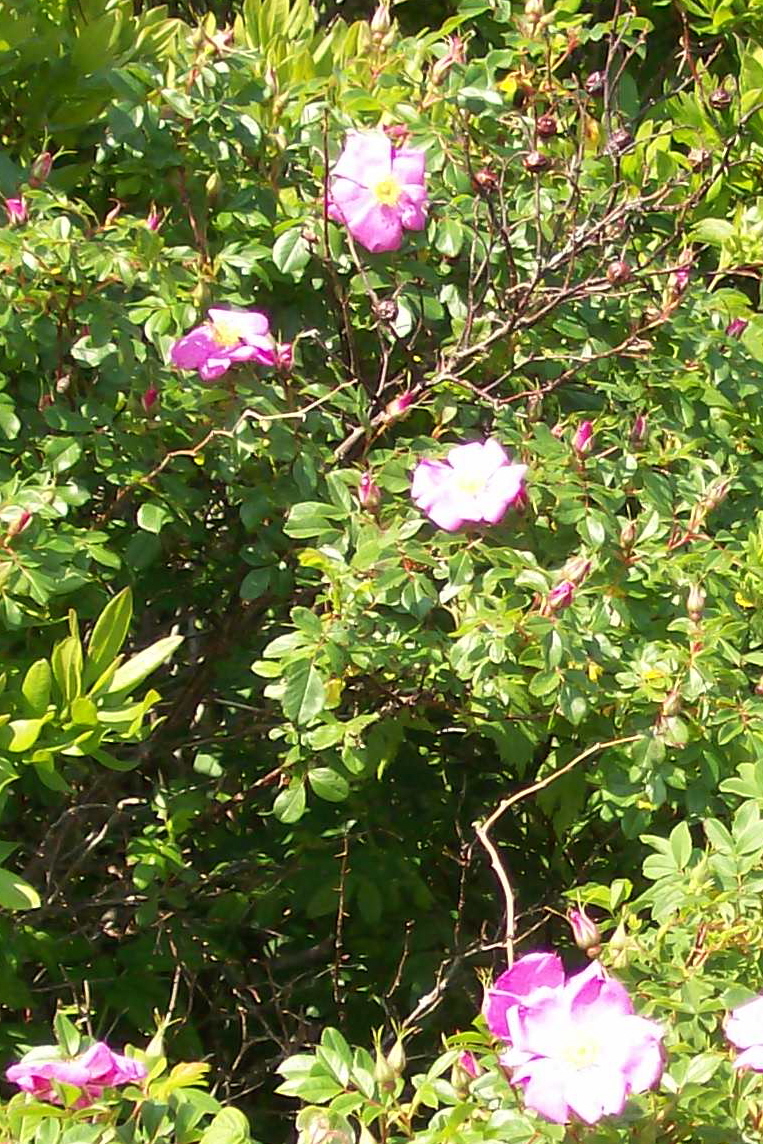
Wild Rose

Wild Rose

That brown area beside the top rose is a stalk with rose hips from last year’s roses.  I once imagined myself as the kind of person who would collect rose hips to make my own tea.  This meadow and its history brought to mind settlers and those who live off what nature provides.

beach

The beach by the meadow


Maine Rocks

1 Comment

rocks 1

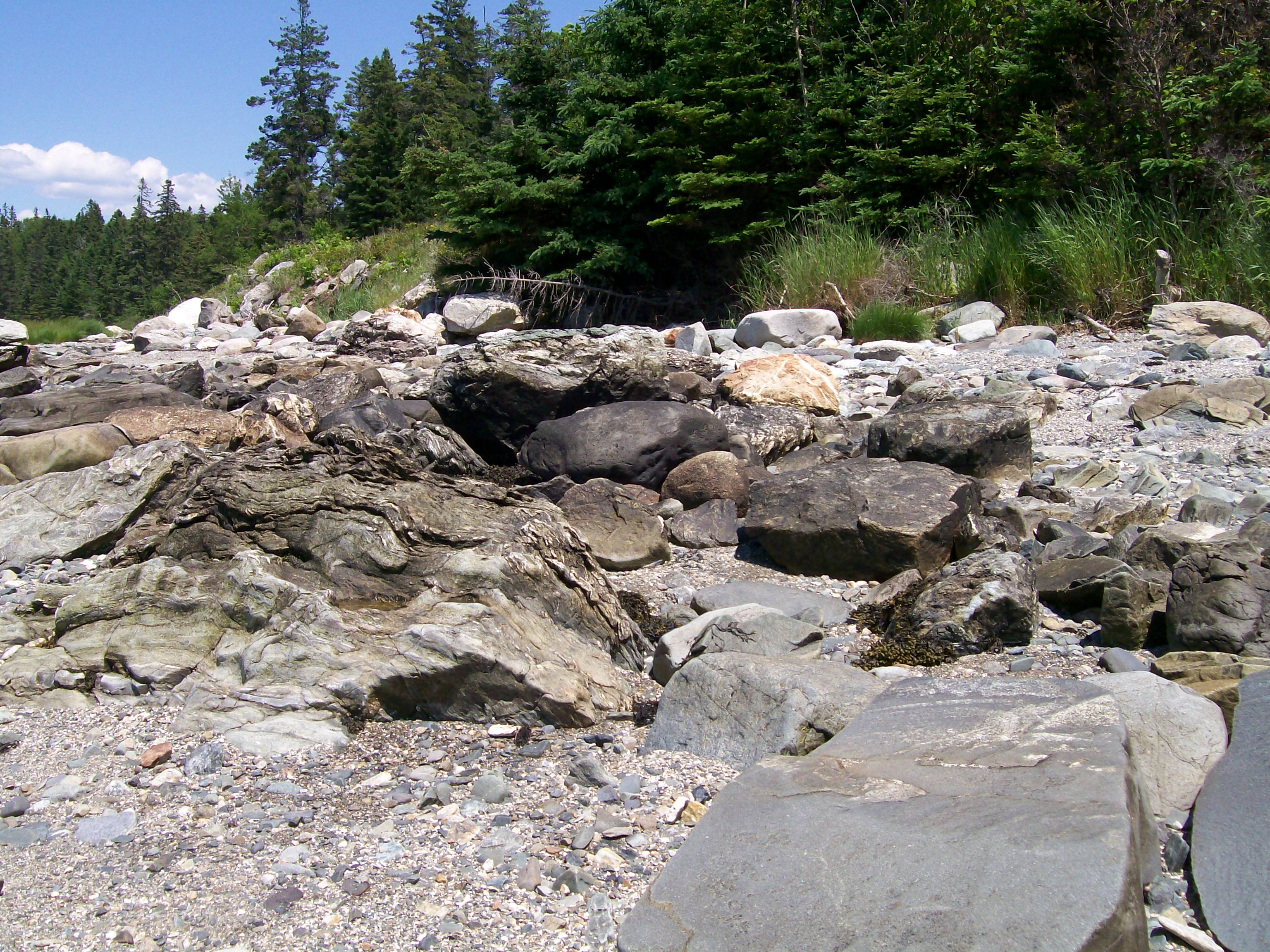
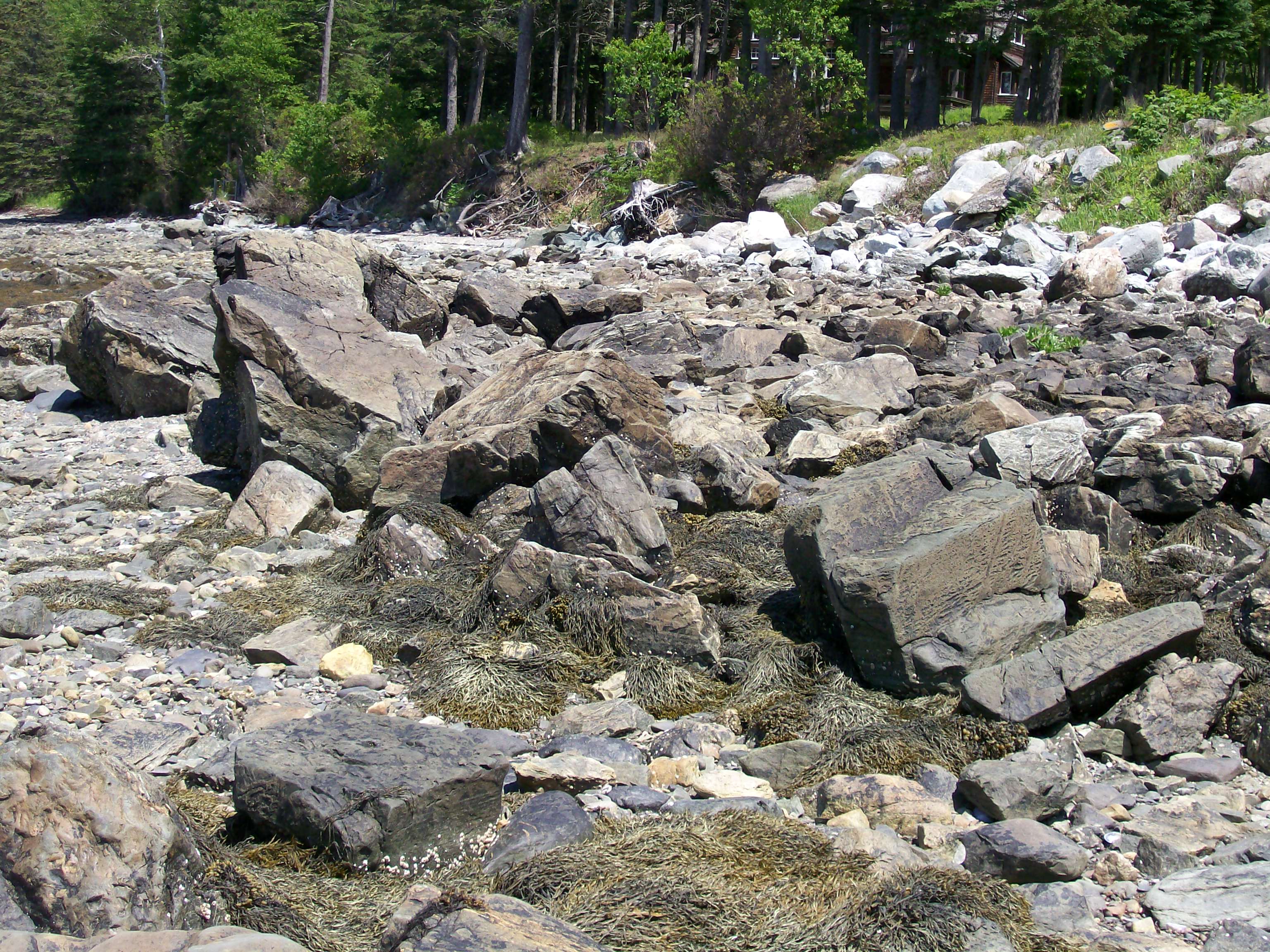
Rocky Beach

Dropped stock
from an enormous
overturned truck.

rocks 2

Lupines

4 Comments

lupines blue

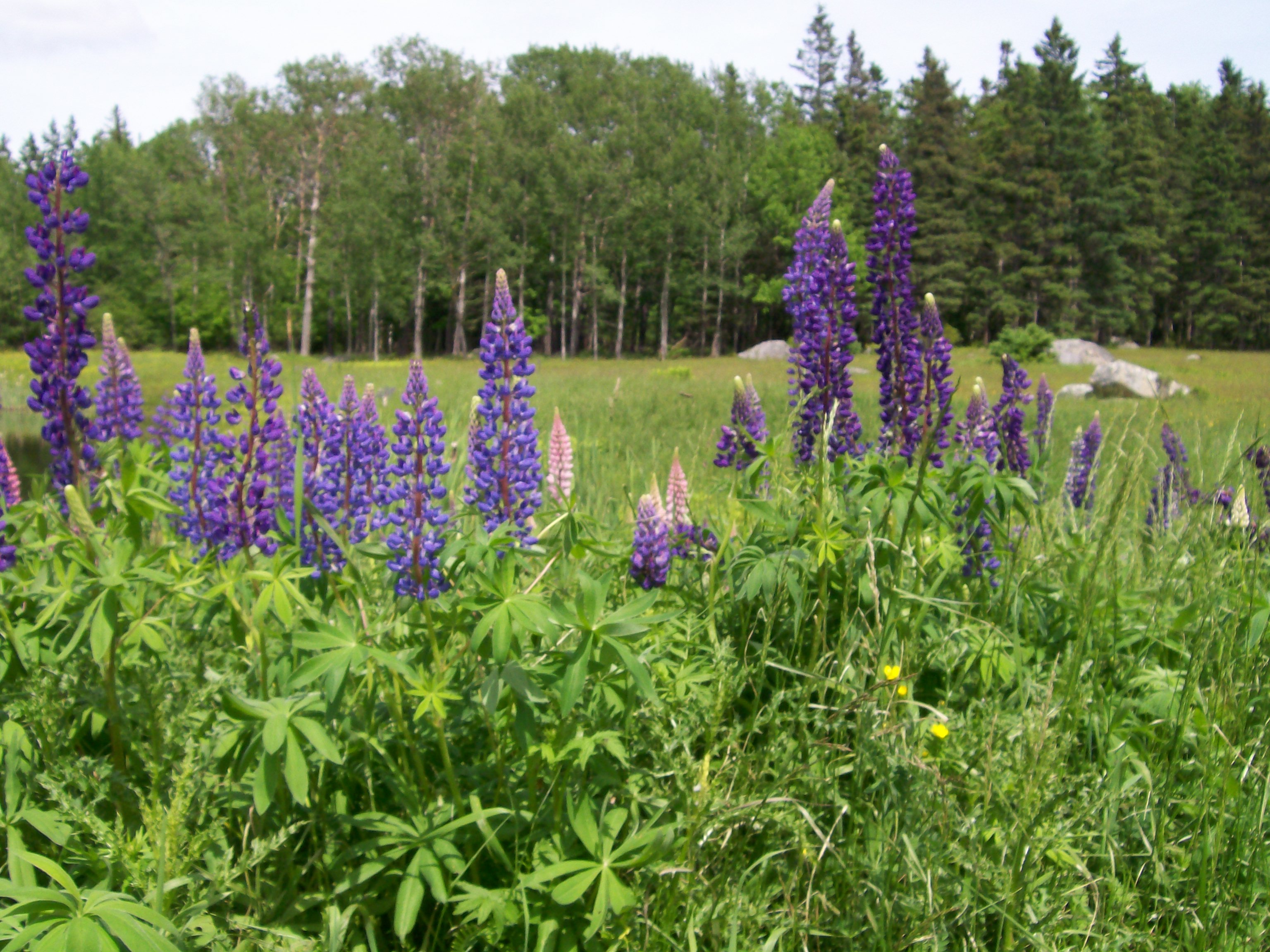
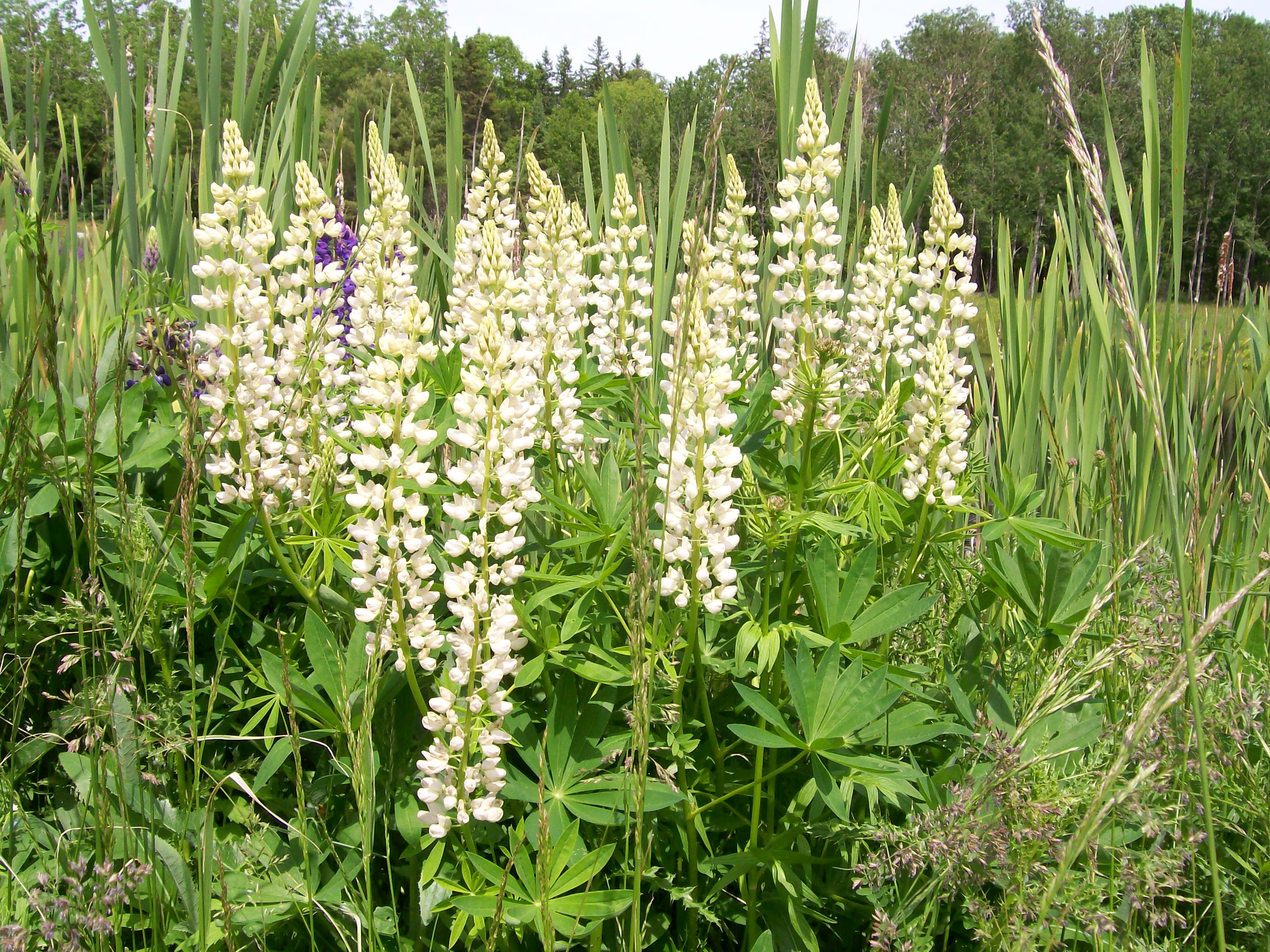
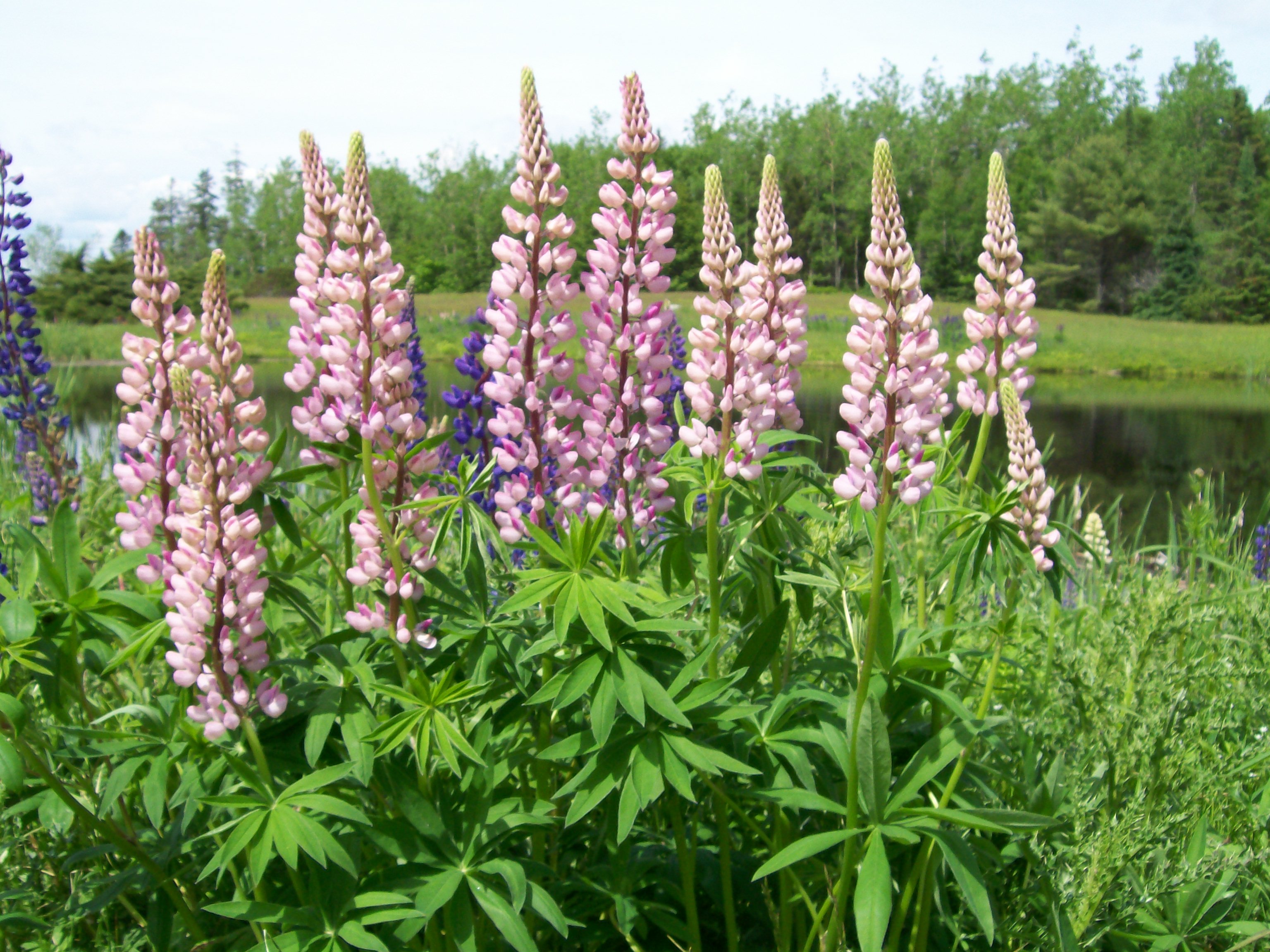
Lupines are one of the short-term pleasures of the Coast of Maine.  The Chamber of Commerce here held a Lupine Festival for several years.  Apparently it was not very profitable, either because it rained, as it does a lot in June, or because the lupines came too soon.  This year they are right on schedule, and no festival to greet them.

lupines white

There are still lots of people, both locals and PFAs (that’s People From Away, like me) who stop to enjoy them.  These come from a field near our house, far from the road.  Here they are for you to enjoy.

lupines pink

Maine Weather

2 Comments

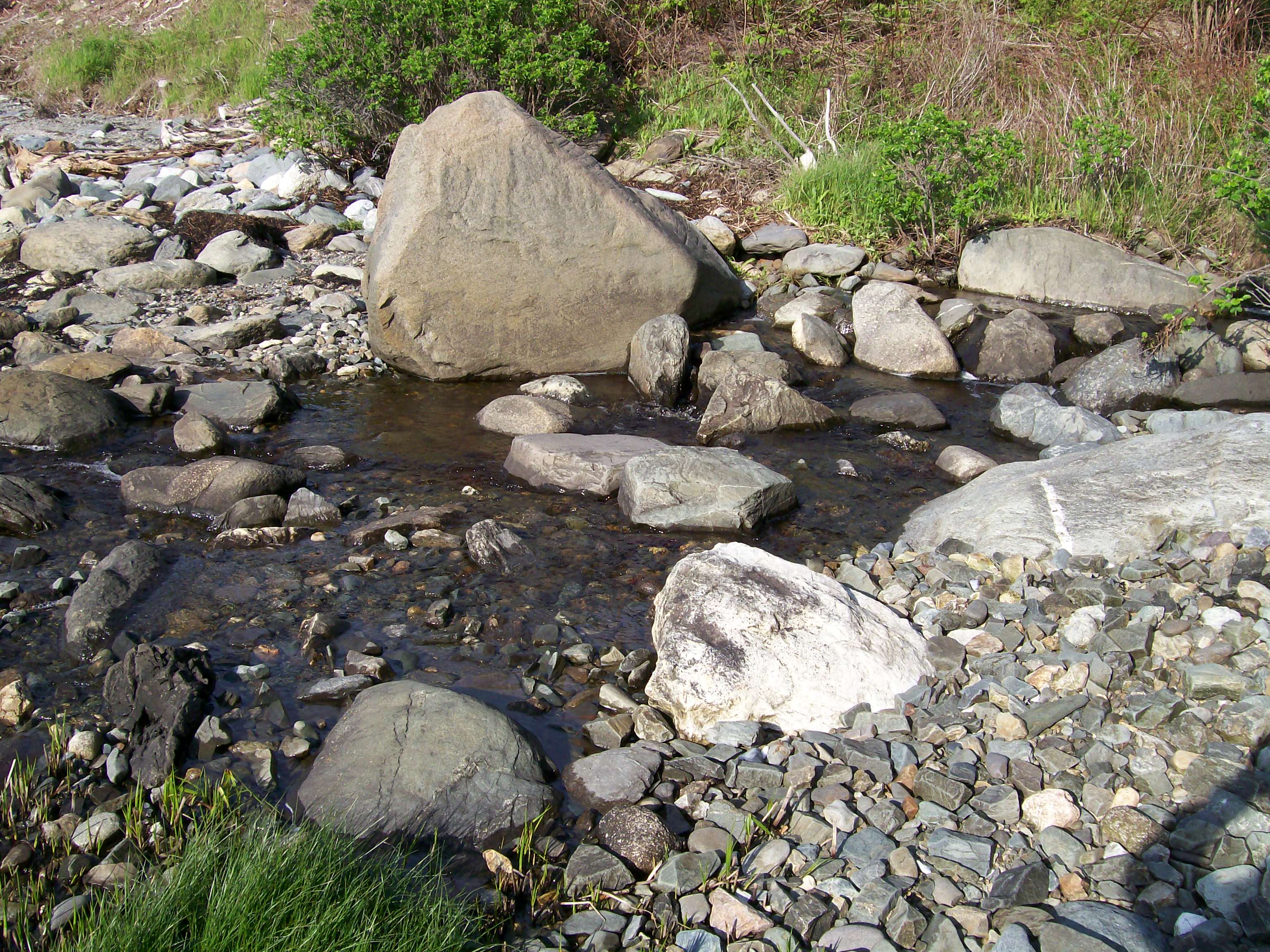
There’s lots of variety to the weather in Maine.  Not usually tornadoes, which we have escaped coming across the country.  It’s also not usually sunny and warm when we arrive about the first of June.  This year it was.  We know it had been raining, because the stream is running strong. (No, you can’t see the motion in a photograph.)

stream

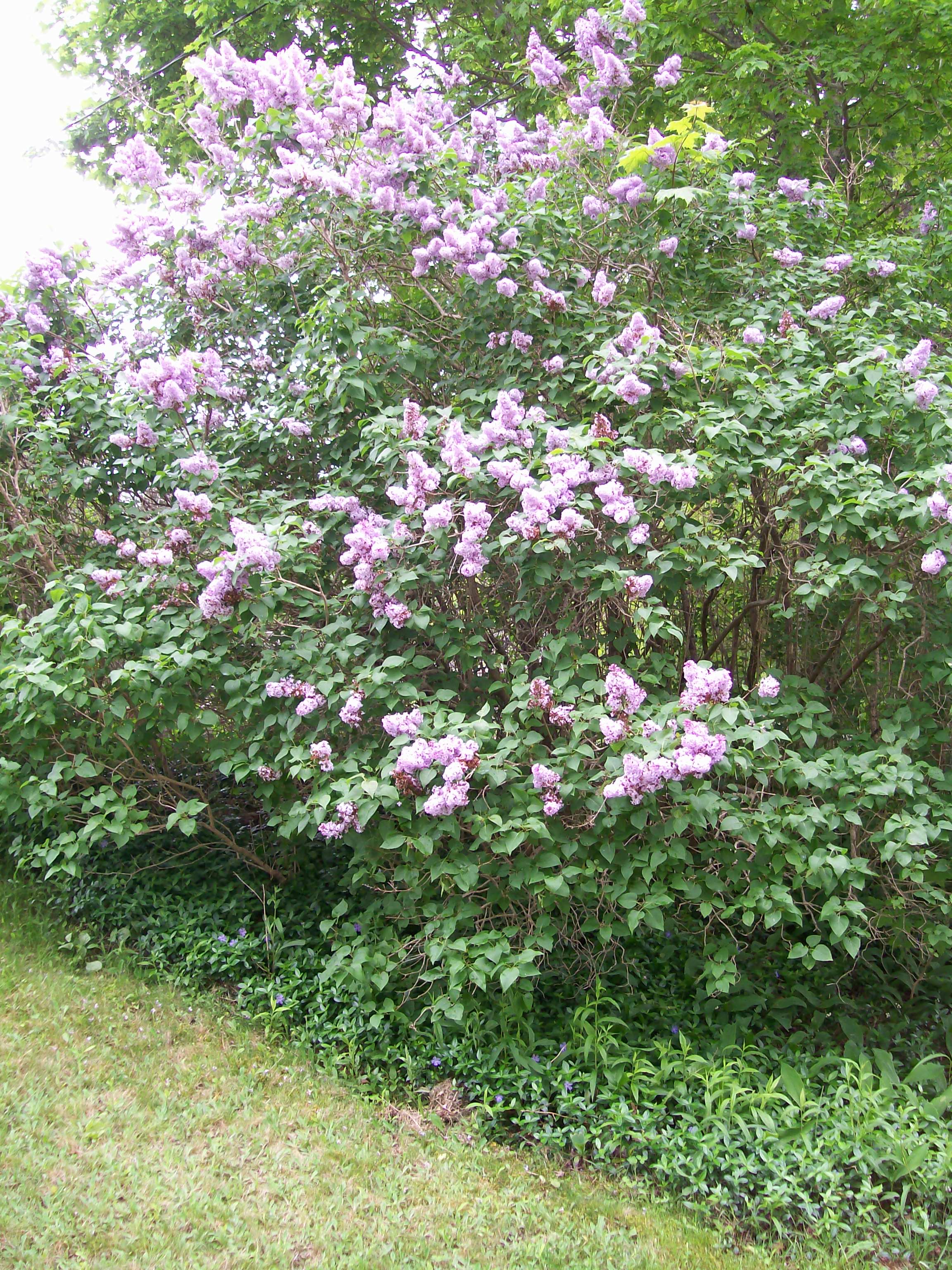
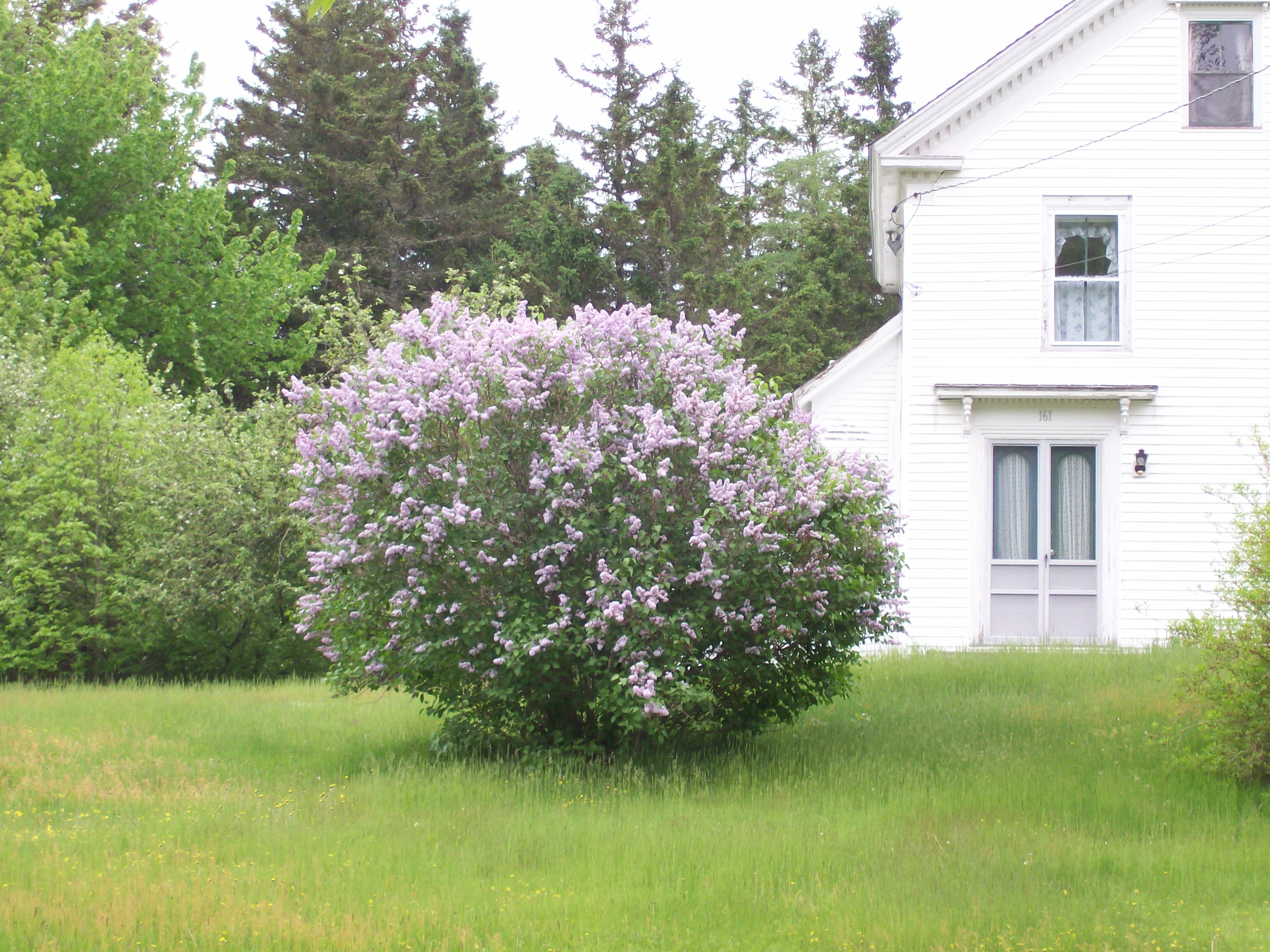
And we know it has been a cold spring, because the lilacs are in their glory.  Most years they are past or fading when we arrive.

lilacs

So many lilacs that the poem by Alfred Noyes starts running through my mind:

Go down to Kew in lilac time, in lilac time, in lilac time
Go down to Kew in lilac time.  It isn’t far from London.
And you shall wander hand in hand . . .

It’s from Noyes’s most quoted poem, “The Barrel Organ.”  I remember more fondly “The Highway Man” who came riding, riding, “When the moon is a ghostly galleon.”  Neither is great poetry, yet they’ve lasted.  They stick in the brain.  I’ve never been to Kew, and as I look at the moon I sometimes wonder which shape Noyes thought looked like a galleon, but how the words stick!

100_0825

On The Road: Hot Springs, AR

1 Comment

park sign

Hot Springs National Park in Hot Springs, Arkansas has a network of trails up its small mountains, but in other ways it is unlike most national parks.  There is no entrance gate and no fee.  There is and has always been a public/private partnership.

hot spring

We stopped here because it is a park we’ve never visited, and because it was on the way from our home base to where we needed to be two days later.  The park began as a federal preserve to protect the source of the spring water from developers before there was a park system.  A row of bath houses right downtown are fed by these springs, grand buildings, two of which are working bath houses; others are in disrepair, one is the national park office/store.  The buildings and the preserve were established as pleasure places for the elite in the late nineteenth century.  These days the clientele is more varied; the woman who served breakfast at our hotel said she gets “the works” (soak, massage, etc.) once a year.

The water is also available at several open spigots.  People come to fill jugs with the water, which has been extensively analyzed and tastes very good.

mountain road

I was hoping for more wildflowers on the drive up the mountain.  We saw mostly straggly buttercups along the road.  And we came upon one resting place which must have been there a long time.  They don’t build them like this anymore.

rest stop

May Day Reflection

2 Comments

Another cross-quarter day.  Are we really only half way through Spring?  Here is Southern New Mexico it doesn’t feel like it.  The extreme drought doesn’t help.

When we moved into our house it had orange stone in the front yard, apparently a recent decision to give up on grass.  Evidence suggests that when the houses on our street were built, in the 1980s, front yard grass was the norm.  One by one the yards have been converted to stone and xeriscaping.

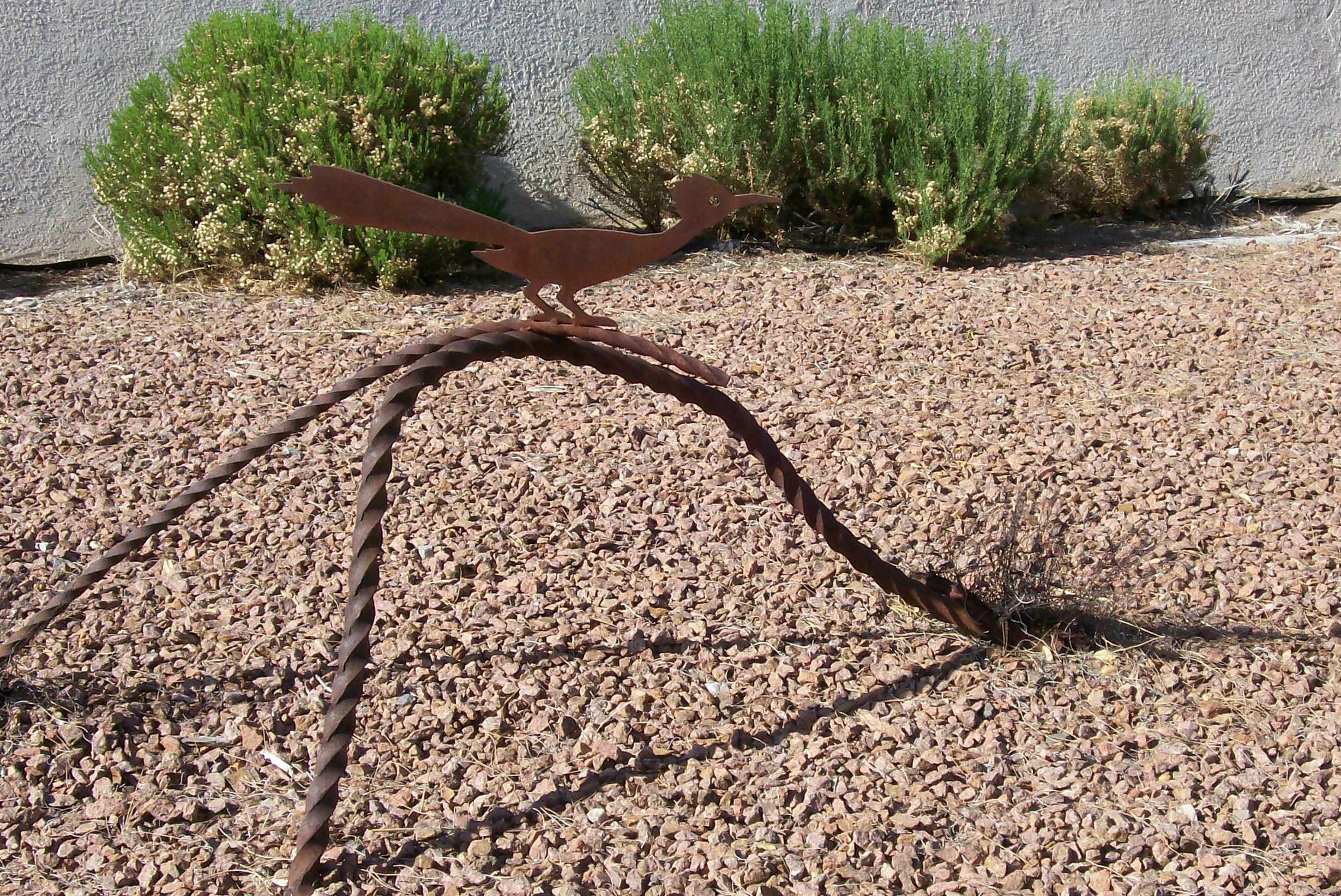
We didn’t want to invest in replacing the sprinklers with a new watering system for native plants, so we invested in sculpture instead.

100_0799

We now have a resident roadrunner, a small yucca, and an ocotillo.

100_0798

We are saving water, even over nature’s version of the same plants.  But there are a few weeks each year when the real ocotillos make our metal one want to hide its head in shame.

My Neighbor's Ocotillo

My Neighbor’s Ocotillo

Marks of Spring

1 Comment

Two signs that we are really into spring have appeared in my yard this week. primrose.1

One is the Mexican Primrose.  I planted this early in my gardening efforts and thought it had died, so I planted a chamisa bush in the “empty” space.  The Primrose evidently appreciated the cover and came back to life.  It blooms in spring and then is covered over by the chamisa.  In late summer or fall, thin tendrils push through the bush to produce a few more of the lovely pink flowers.  I don’t dare transplant it.  It likes its present location.

100_0787

100_0788

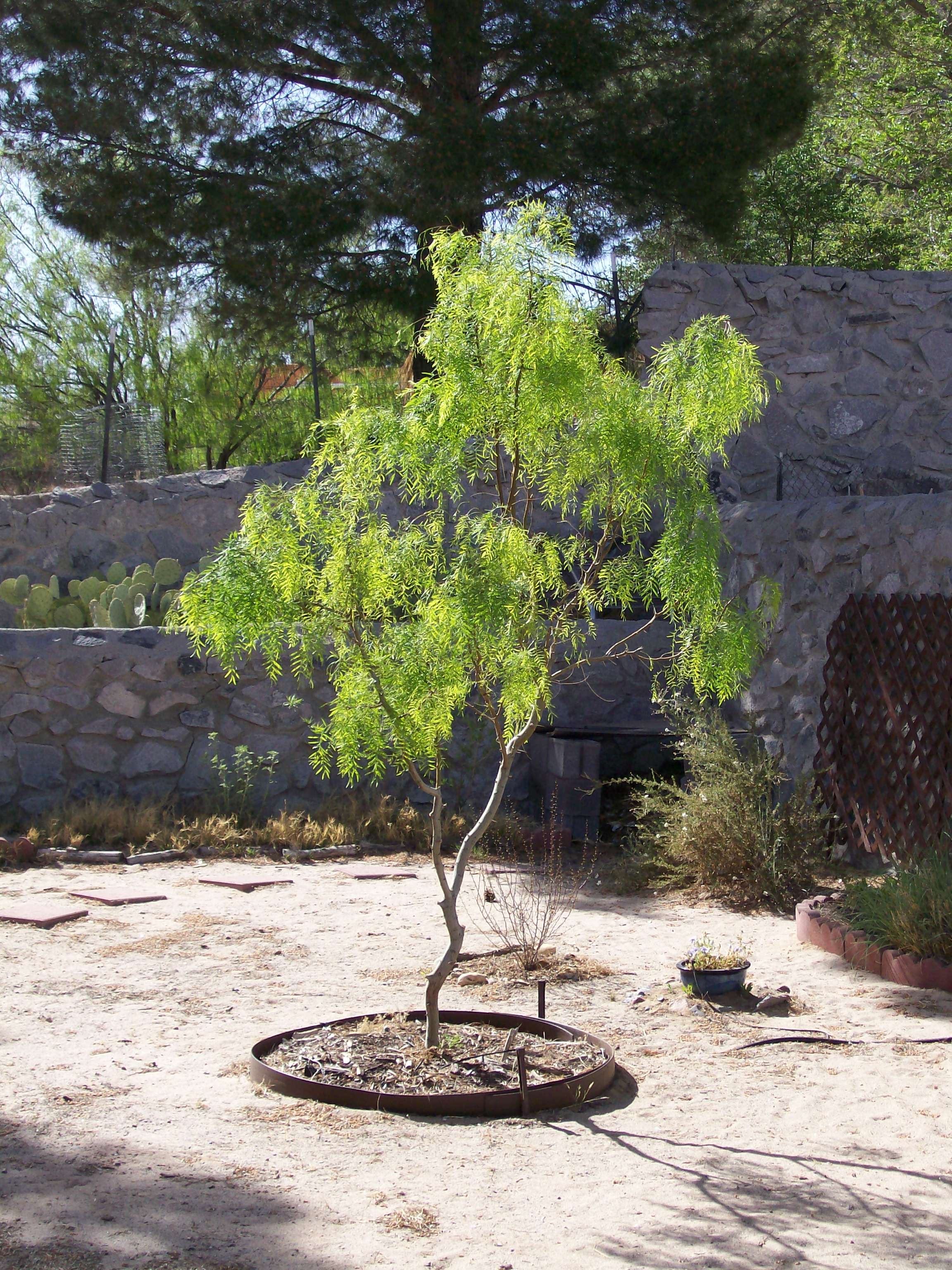
The second sign of spring is the leafing out of the mesquite tree.  I planted this tree as a wee thing out of a seven inch pot about six years ago.  I worried for two years whether it would ever tree; all it took was patience.  I have been told by more experienced gardeners that the mesquite is the best marker of spring.  Unlike the decorative fruit trees and some others, when the mesquite begins to leaf, one can be confident that the danger of serious frost is past.

What have these signs of spring to do with either freethought or metaphor?  Both freethinkers and poets are aware, though in different ways, that humans are connected to the rest of nature.  The wisdom of these plants appeals to both sides of my mind.

Hike to Dripping Springs

4 Comments

The “blogosphere” is a strange world of unlikely connections.  One blogger who found my website is Russel Ray.  I enjoy his photos of San Diego so much that I’ve added him to my blogroll, the links in the right hand column of this page.  You might like his work as well, especially if you have any connection to San Diego.

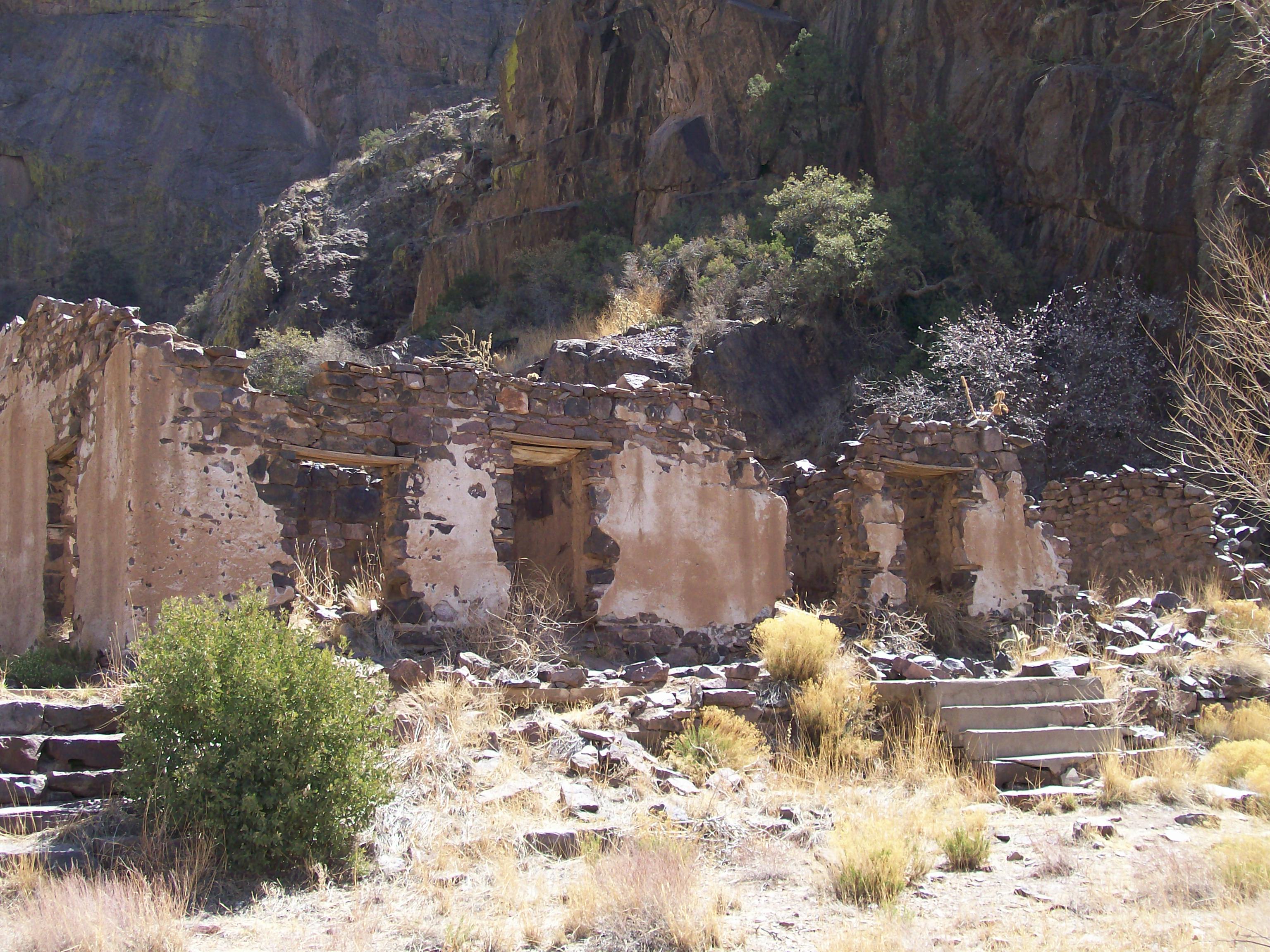
I’m not as accomplished a photographer, but I’ve been practicing, so here are a few from a hike I took in the mountains last week.  It has been too dry to produce many wildflowers this spring, but there are other things to see.  I hiked up to Dripping Springs in the Organ Mountains, a three mile round trip to several old ruins.  Halfway up are a stunning pair of alligator juniper trees.juniprs

One of the ruins is Nathan Boyd’s sanatorium, built in 1917 for patients with tuberculosis.  That disease brought many “anglos” to New Mexico in the late nineteenth and early twentieth century.Boyd's sanatarium

A more substantial ruin is Van Patten’s Mountain Camp, actually a rather nice hotel resort in its prime, built in the 1870’s.  It once had stairs up to a nice entrance.Van Patten front
On the way back down the mountain one can see, though it doesn’t photograph very well, the town of Las Cruces in the Rio Grande River valley.view of Las Cruces
It had been about six years since I made this hike.  The ruins are not much changed in that time.  Two other hikes at Dripping Springs can take you to a cave which once housed a hermit, before Van Patten’s time, or to a waterfall – when there is water in it.  I left those for another day.

Happy Equinox!

2 Comments

It’s the midpoint on the sun’s journey from south to north.  I know it is really the earth’s tilt that causes this apparent journey, but it is hard to think in those terms.  We humans have always seen it as a shift in the sun, not in the ground we stand on.  It’s the first day of spring, and in the garden, the plants are already ahead of me.

100_0768

The large grass plant has made a big start.  It has far to go, since its seed heads will reach seven feet or more.

100_0770

The chamisa, which will also grow large, is nagging me about the sloppy pruning job I did on it this winter.  I couldn’t decide which branches to cut down to the ground.

100_0769

The pansies, which provided a bright spot through the winter, also are happier with the warming weather and longer days.  They’d look even better if I got out to rake out the old weeds around them.

That’s how it is with gardens.  There’s too little to do until suddenly there’s too much.  If you’re still waiting for spring to reach your yard, get those tools ready and replan your days.  I didn’t do that.  I should have seen this coming!

Older Entries Newer Entries