Home

The Other Side of the Mountain

1 Comment

Recently I wanted to get out into some green.  I decided to visit Picacho Peak.  The name is redundant, since “picacho” is Spanish for peak, but that doesn’t seem to trouble anyone.  There is one in Arizona, too.  Like the one near Las Cruces, it is an isolated mountain.

Looking west from Las Cruces, the mountain looks very dry.  To climb it, one goes through several housing developments and some private land to a BLM parking lot on the western side.mtn from parking area

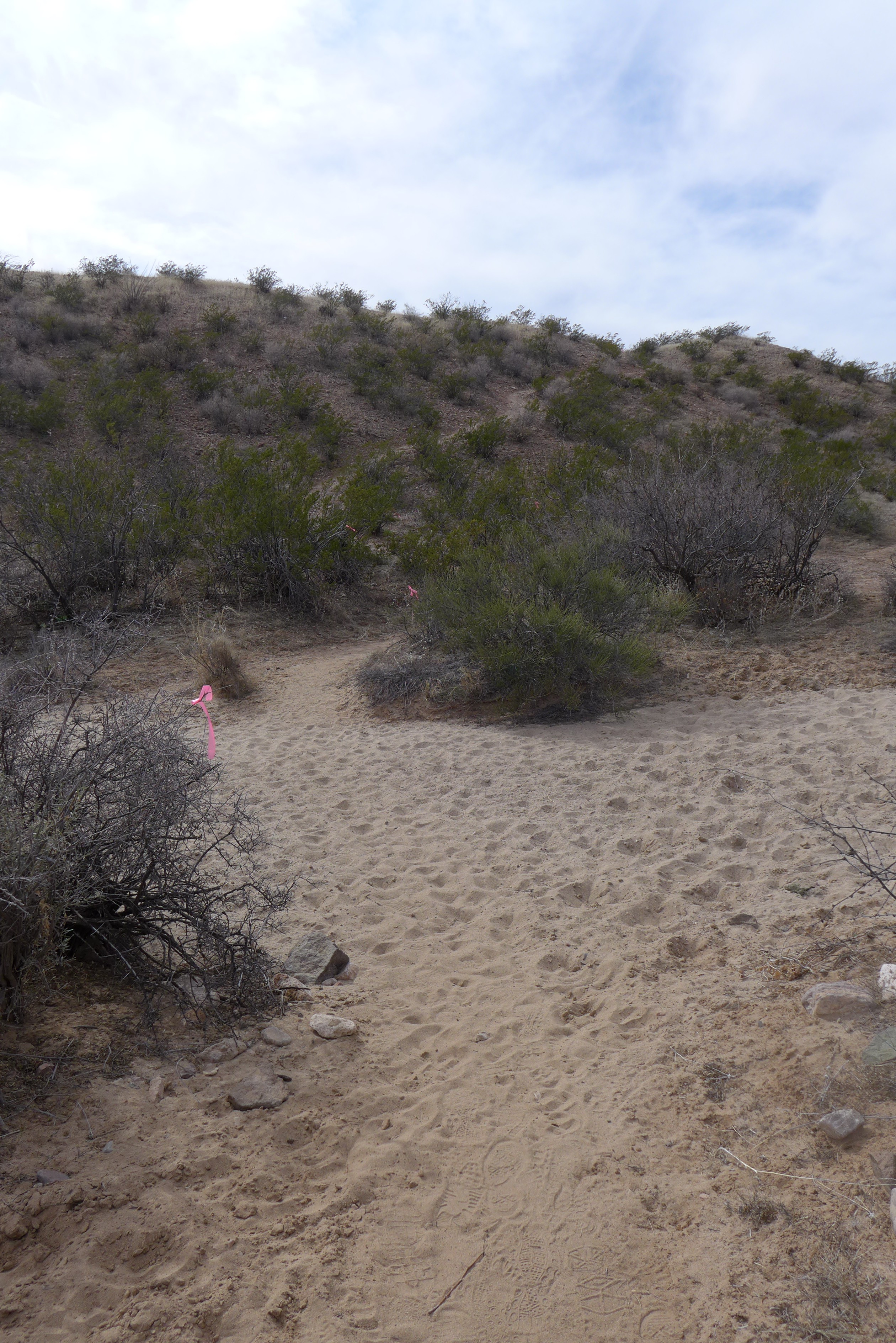
To get to the peak from the parking lot one must go through an arroyo and a few other ups and downs.arroyo
After that the trail is surprisingly straight.  In this closer picture, the hole at the right is along a particularly steep part of the trail, which then angles up across the picture to the outcrop (a small dark splotch) at the left. closer to mtn

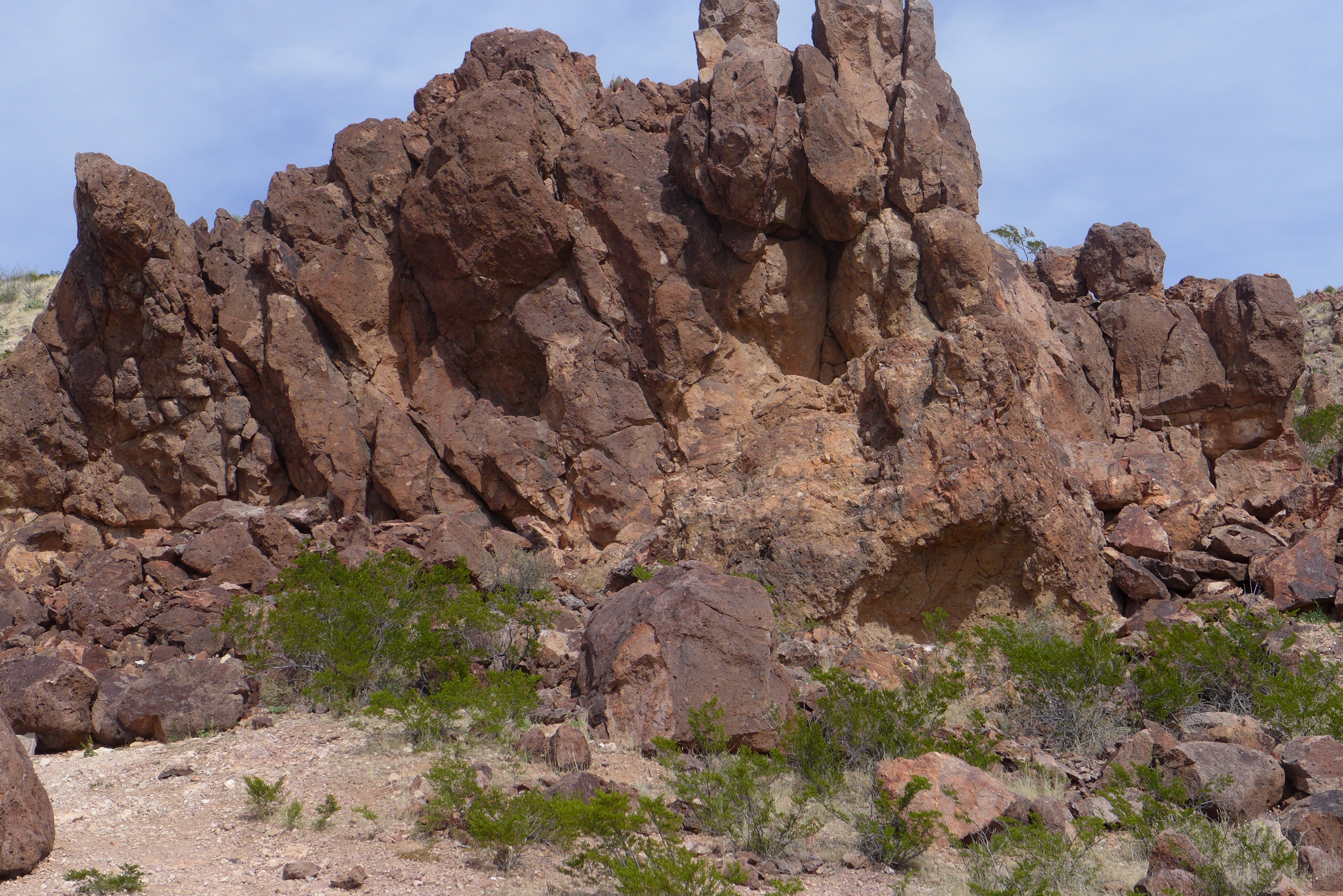
That outcrop was a far as I got.  The trail is steep and I was definitely out of condition. I don’t think this trail was laid out by recreation experts, but by people who wanted the shortest way to the top.  I estimate I got about half way up the one and a half mile trail.outcrop
But it was nice to be on a green slope for a while.  Here’s a view from part way back toward the parking lot. to parking area

Ft. Craig, Part II: Long Term Rivalry

1 Comment

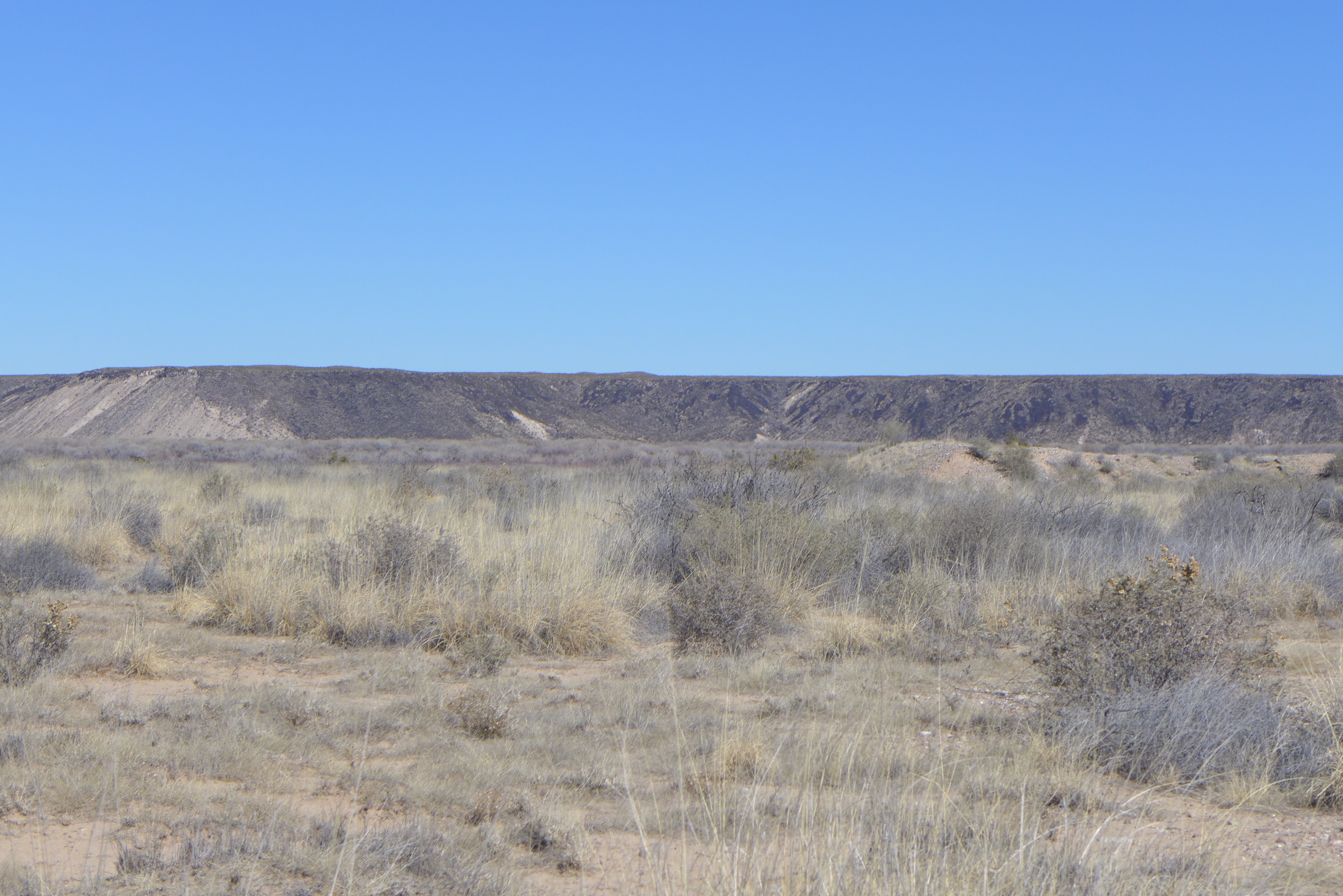
Ft. Craig sits on the western side of the Rio Grande.  In this photo the river is hiding below that dark line, where the land drops to the river’s level, and soon rises to the mesa on the other side.rio grande
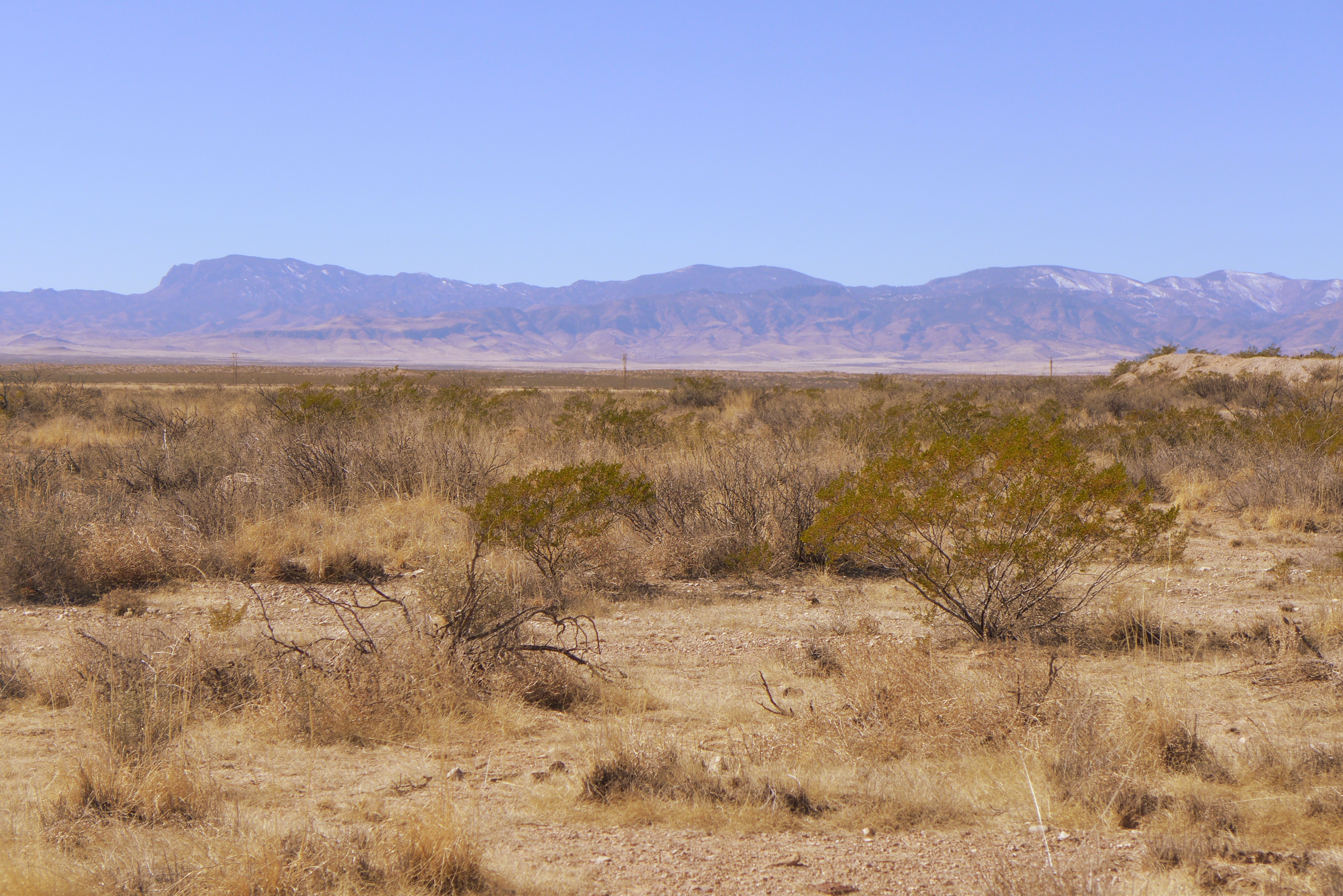
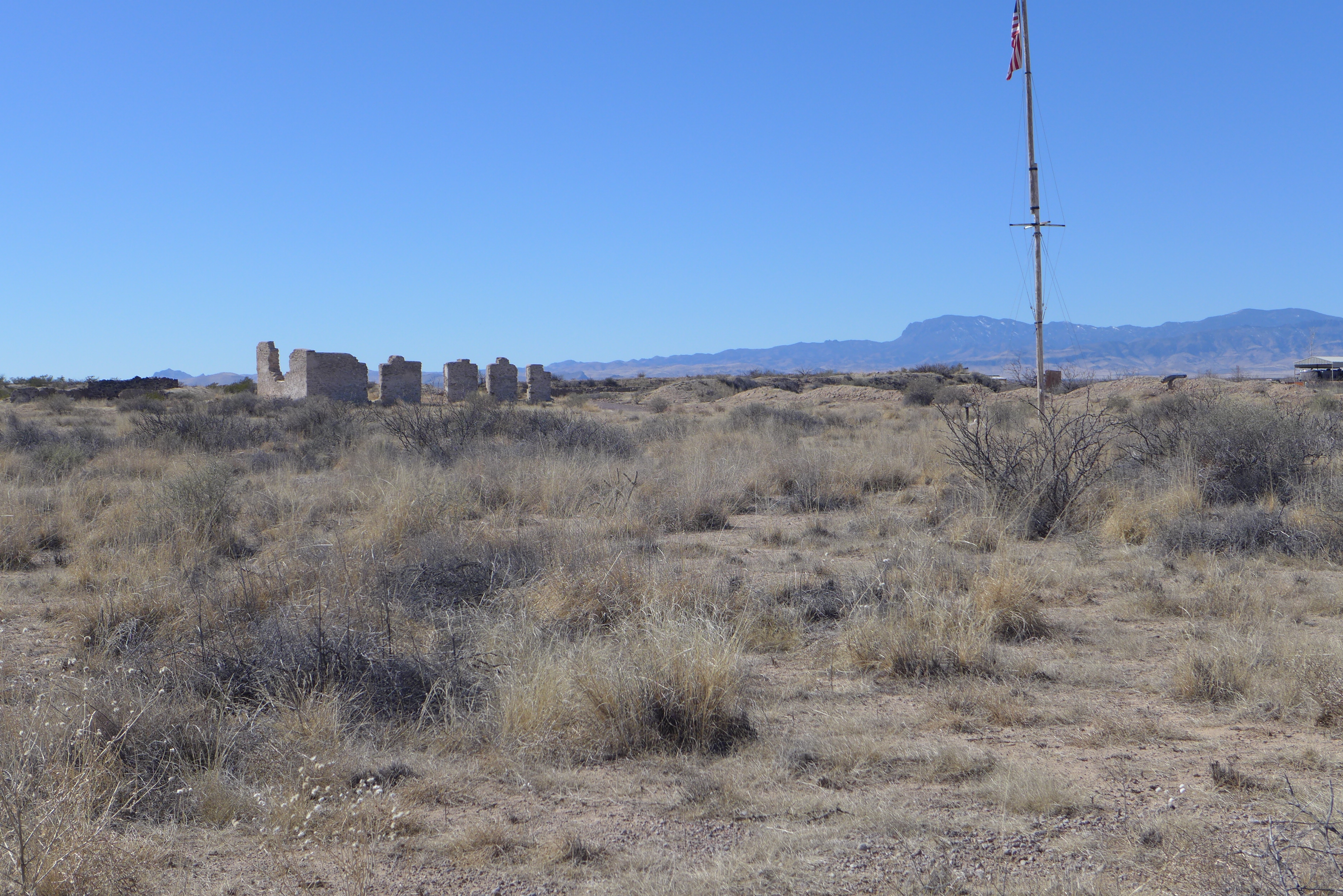
To the west, there is mesa for some distance to the mountains.  These mountains are one set of geologically recent protrusions which have pushed up at intervals, scattered across the landscape.  This view is taken from a lookout site at the top of one of the large storage structures.366west warmer

These photos are closer to what I experienced as the color of the land and bushes than the ones I posted in my previous post.

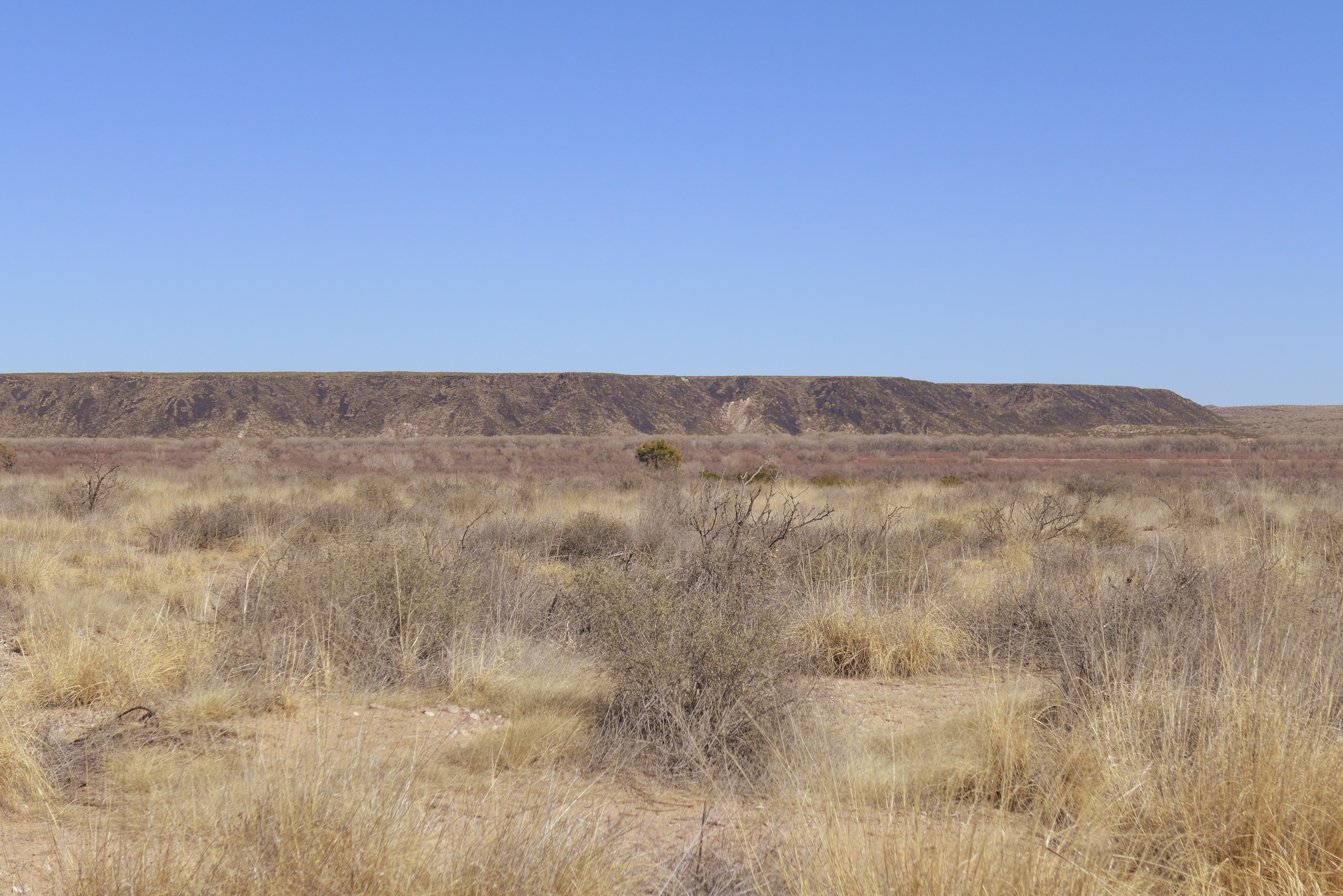
And to the north is Black Mesa.  On the north side of Black Mesa one of the important battles of the Civil War in New Mexico took place.  The site is Val Verde, a set of arroyos and streams that drain into the Rio Grande.  The Confederate troops came up the eastern side of the mesa; the troops from Ft. Craig went up on the western side.black mesa 3.warmer

While the regular soldiers fought, New Mexico Volunteers, led by Kit Carson, held the fort.  The South won the battle, but the New Mexicans would not give up the fort.  The Confederate troops did not have enough resources to lay siege, so they withdrew.

The Battle of Val Verde took place on February 21, 1862.  On March 28 that same year, the Confederates lost a battle at Glorieta Pass, near Santa Fe, and their push to control the west was over.

I wondered why the New Mexicans were so supportive of the government from far away.  I was told it was because the Texans had already made a grab for New Mexico land earlier.

Kit Carson Slept Here (maybe)

Kit Carson Slept Here (maybe)

This rivalry continues.  I heard two instances of it just last week.  In a meeting about education in the state and financing, the new PARCC testing was discussed.  This testing is created by the Pearson company.  How much are they benefitting from adoption of this testing?  The question was asked “How much money is going to Texas?” where Pearson is based.

On another occasion, in a discussion of Voter I.D. laws a researcher, whose work had led a Texas judge to decide against a new law for that state, got a big laugh when he said, “Let’s see what we can learn from Texas.”

New Mexicans around here go down to El Paso often.  Some even work there.  But they still like to put down Texas.  After all, the Texans did try to take our land.

Ft. Craig, Part I: Ruins

Leave a comment

I drove up to Santa Fe to visit the Legislature this past week.  When I make a trip like that I think it is good to mix some pleasure with business, so I stopped at a historic site I hadn’t been to before.  Ft. Craig is near the Rio Grande roughly 100 miles north of Las Cruces.  It is located just south of Black Mesa, which was a landmark from the earliest years of Spanish travel into what is now New Mexico.  The Rio Grande curls around the mesa.

Black Mesa

Black Mesa

Ft. Craig was the largest of several forts built around the time of the Civil War, partly because of the war, partly to secure the area for people moving in to territory which had been acquired by the United States in 1848.  This fort was in use from 1854 to 1885.  Most of the buildings were built of adobe which has collapsed.  A guardhouse was built of stone.guard house

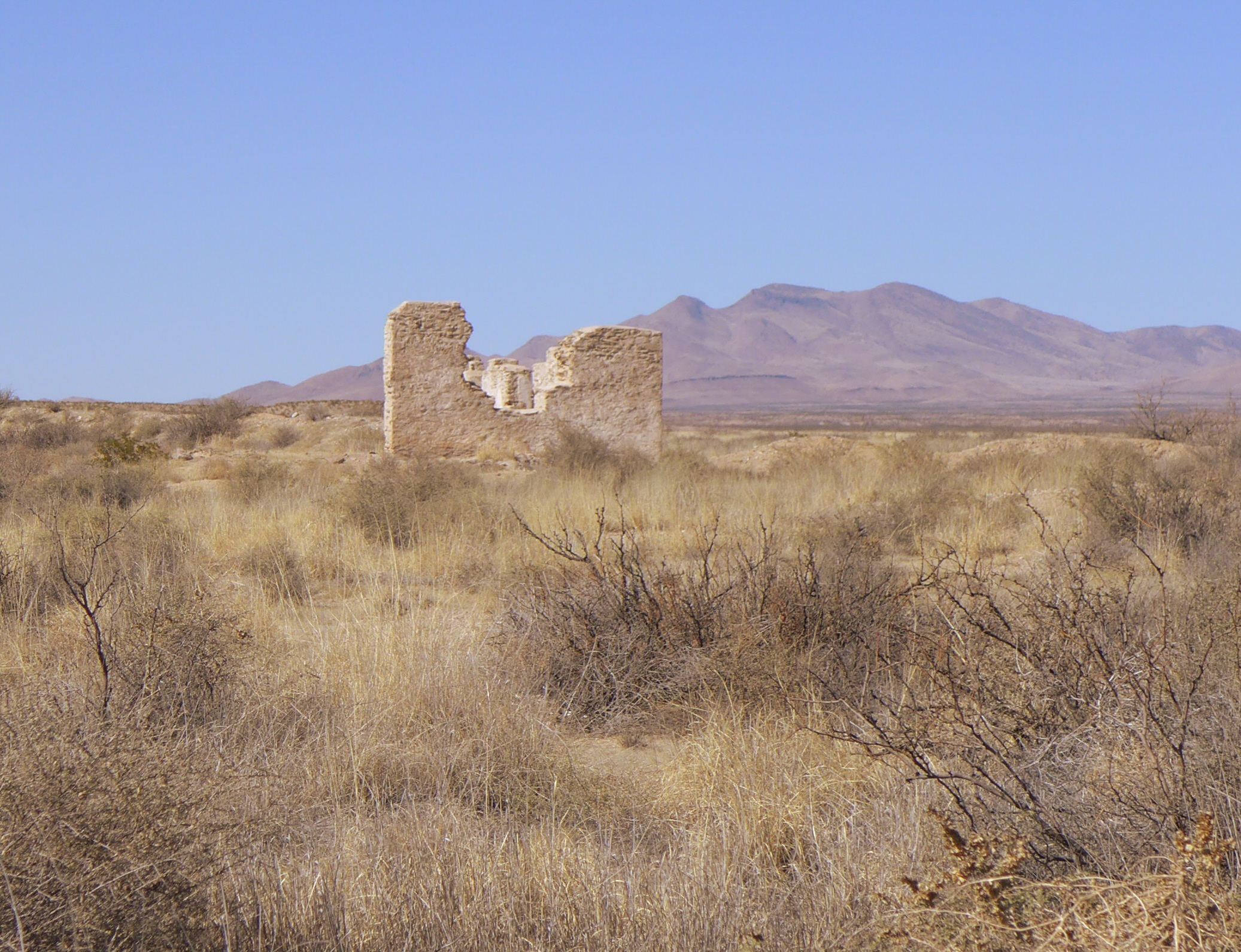
The remaining walls of the commanding officer’s quarters have been covered with material to preserve them.   Paths have been created by the BLM (Bureau of Land Management, which has jurisdiction of this property) around the parade ground which doesn’t look like one anymore.

Parade Ground

Parade Ground

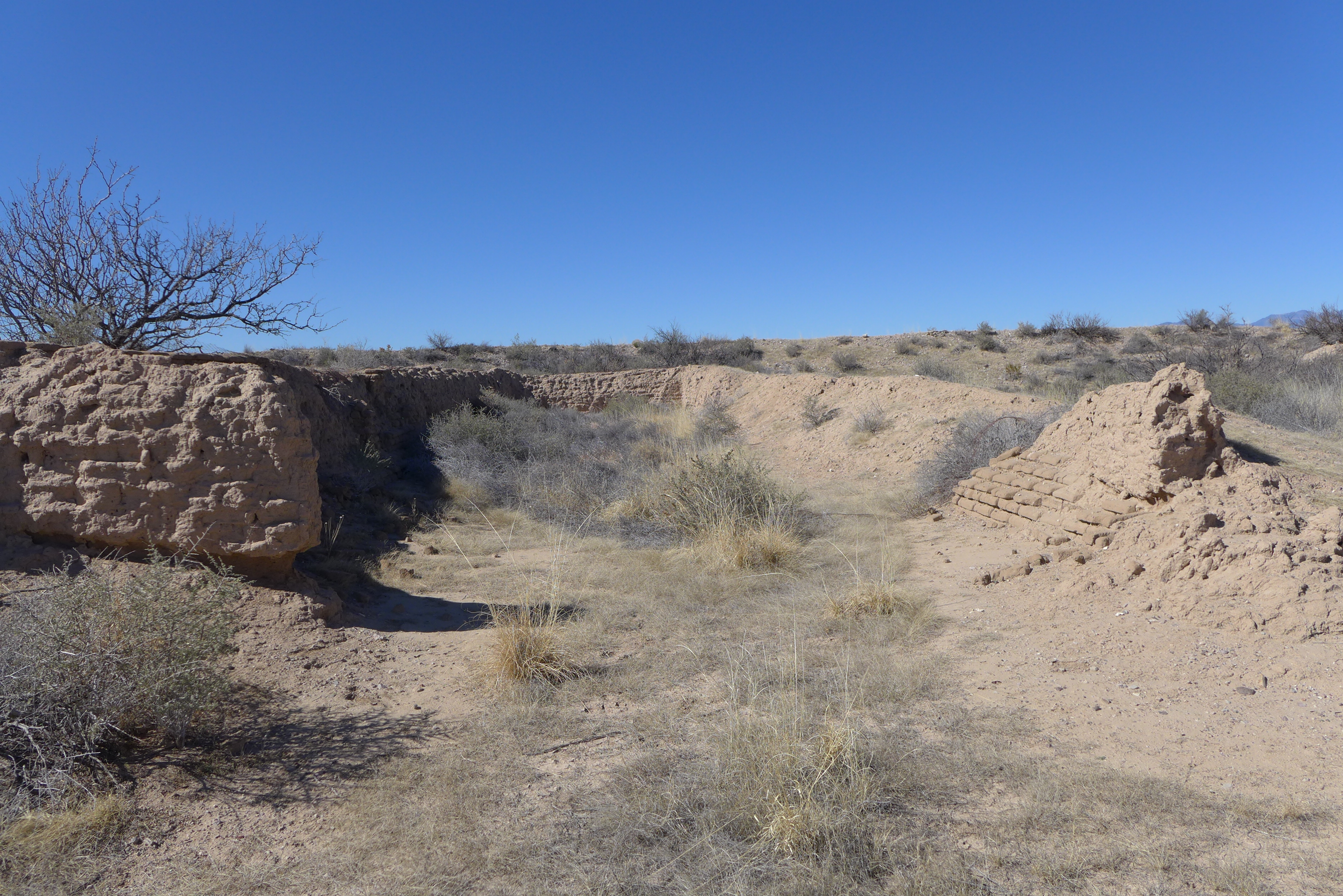
Some mounds turn out to be walls.

Wall

Wall

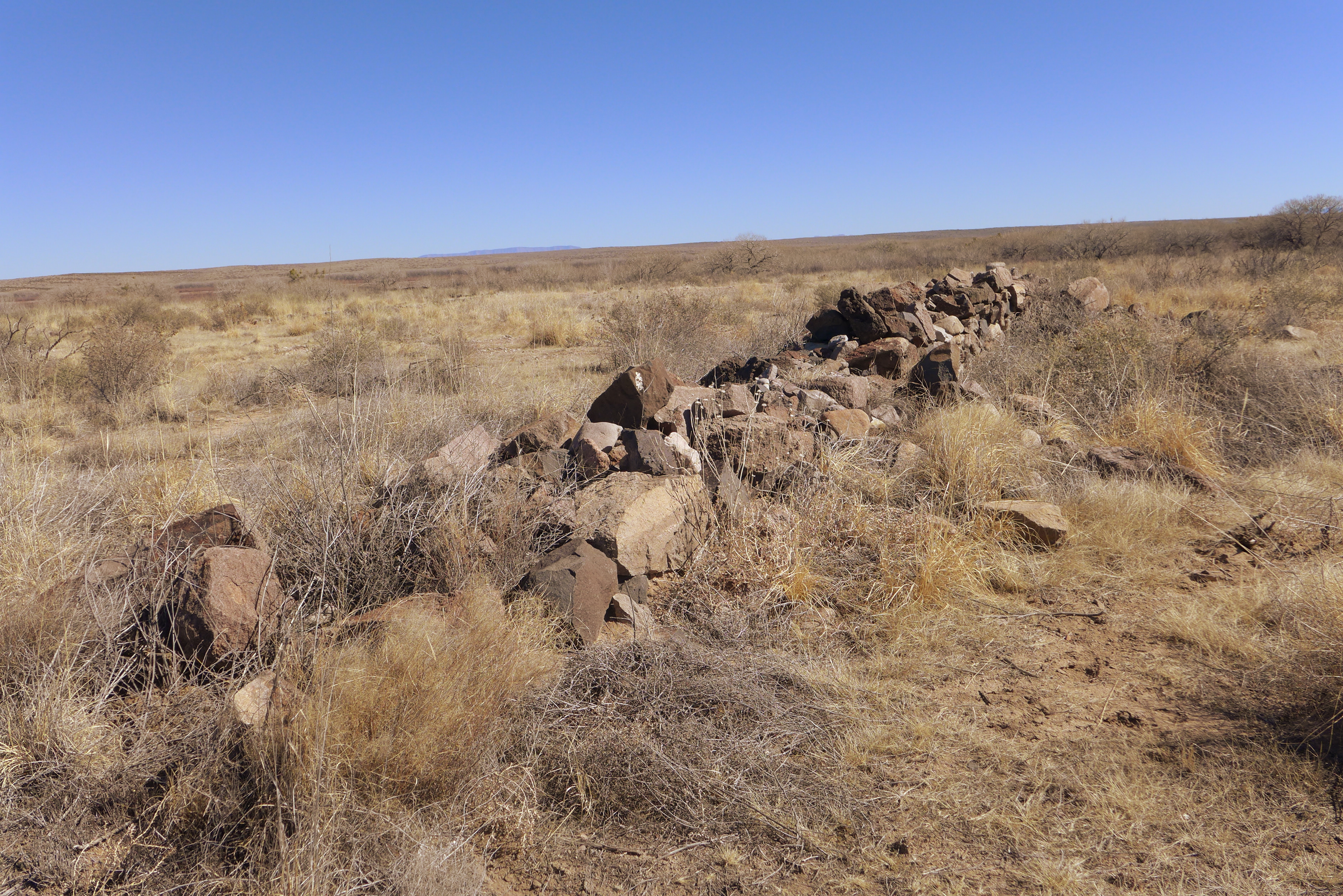
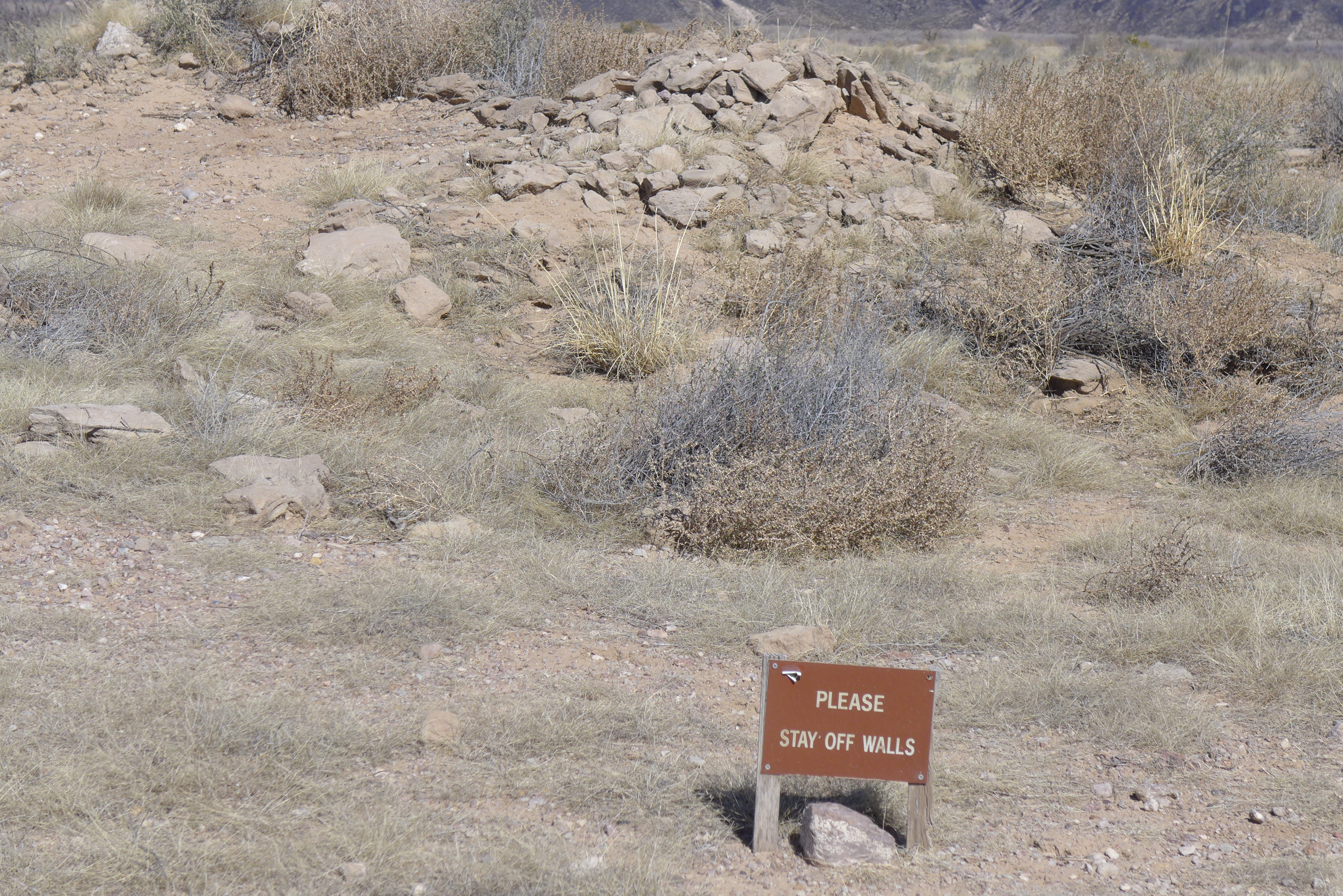
Other walls remind me of Robert Frost’s “Mending Wall” poem.  I associate this poem with ruins like this because there are wall long & signmany collapsing territory-marking walls back east in what is now woodland.  “Something there is that does not love a wall,” I used to think as I walked a section of the Appalachian or the Horseshoe Trail.  Yet parts of them persist.storeroom above

Adobe work can be seen in a set of large storage buildings, which were buried in dirt after construction, the only way to keep things cool in hot New Mexico summers.

Storeroom

Storeroom

I took so many pictures I’ll save a few for my next post.  And maybe before then I can figure out how to correct the color in these photos.  The yellow of the grass and the green of the bushes do not come through as they should.  New Mexico is not really this purple.

After the Snow

3 Comments

We had a serious snowstorm – for southern New Mexico – last week.  The Superintendent of Schools didn’t think it was bad enough to close schools, with the result that there were five or seven children in classes that officially numbered 20.  They ended up closing early.  Two days later, everywhere the sun could reach had melted.  The shady areas took a few days longer.

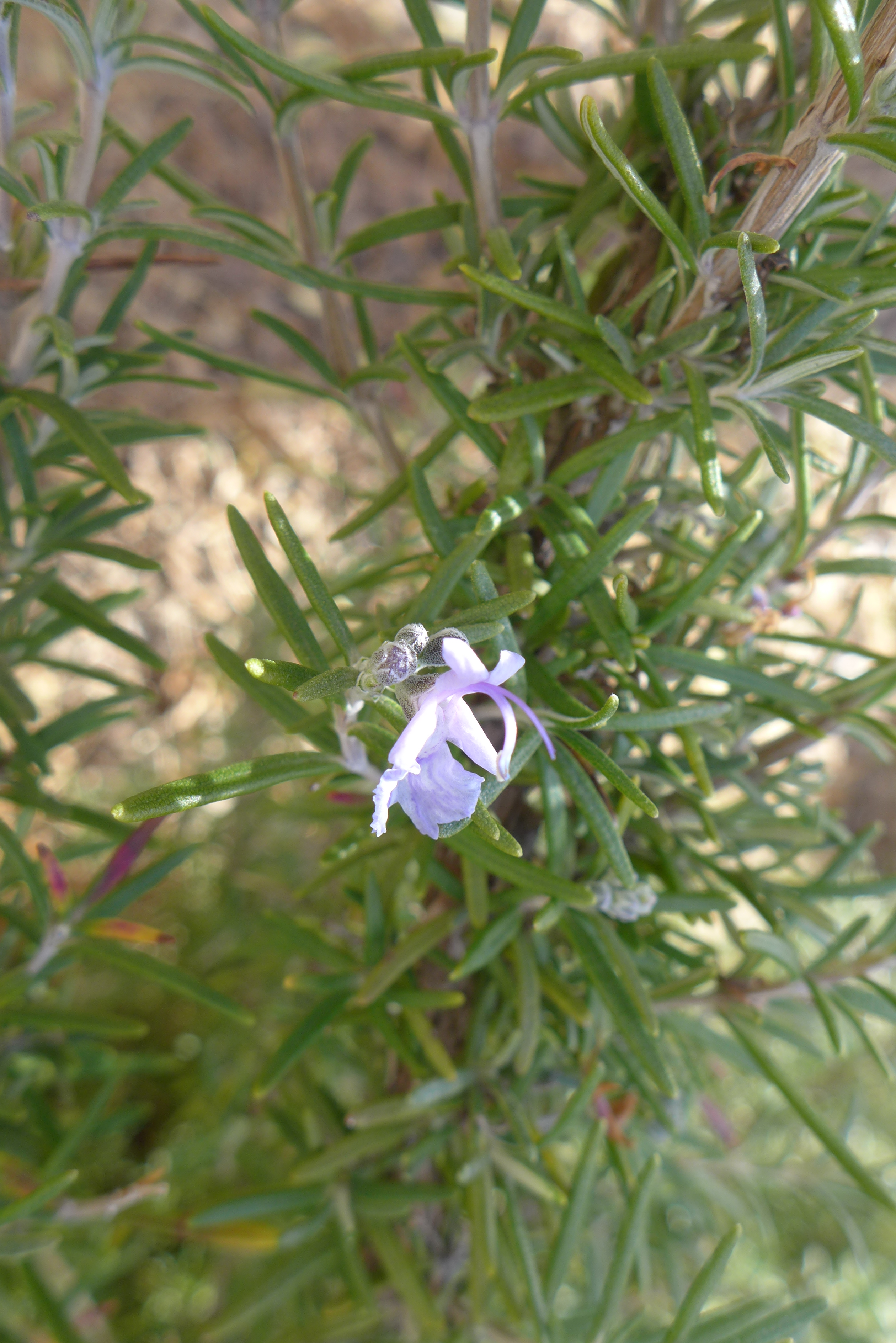
I went out to see how the garden had fared in the snow.  The parsley was very happy.  parsleyThe rosemary decided it’s time to start blooming.rosemary flowerI decided to bring a few branches indoors to add some green to my study.  rosemary in vaseI hadn’t thought about how much rosemary looks like an evergreen tree until I started working with these close-ups.  It’s leaves are like fir or spruce.  And I found one source on odors of herbs in cooking, which calls rosemary “piney.”   Looking at the vase of rosemary in my study, I started playing with these ideas.

An untitled work in progress

What’s rosemary to you?  When Ophelia
said “remembrance” I pictured
a soft leaf to brush against the cheek,
not this sturdy stiff-needled bush.
This kind of memory stays green,
refuses to go away, an ugly scene
replaying from an old movie.

Playing with the Camera

2 Comments

The son who gave me my new camera last Christmas was back this year and gave me some lessons in more things I can do.  One was about focusing close-ups.  Here are some of my attempts: P1000328And another: P1000329My son, in demonstrating, had the good artistic sense to focus on a green leaf among the red ones.

Photo by Jack Young

Photo by Jack Young

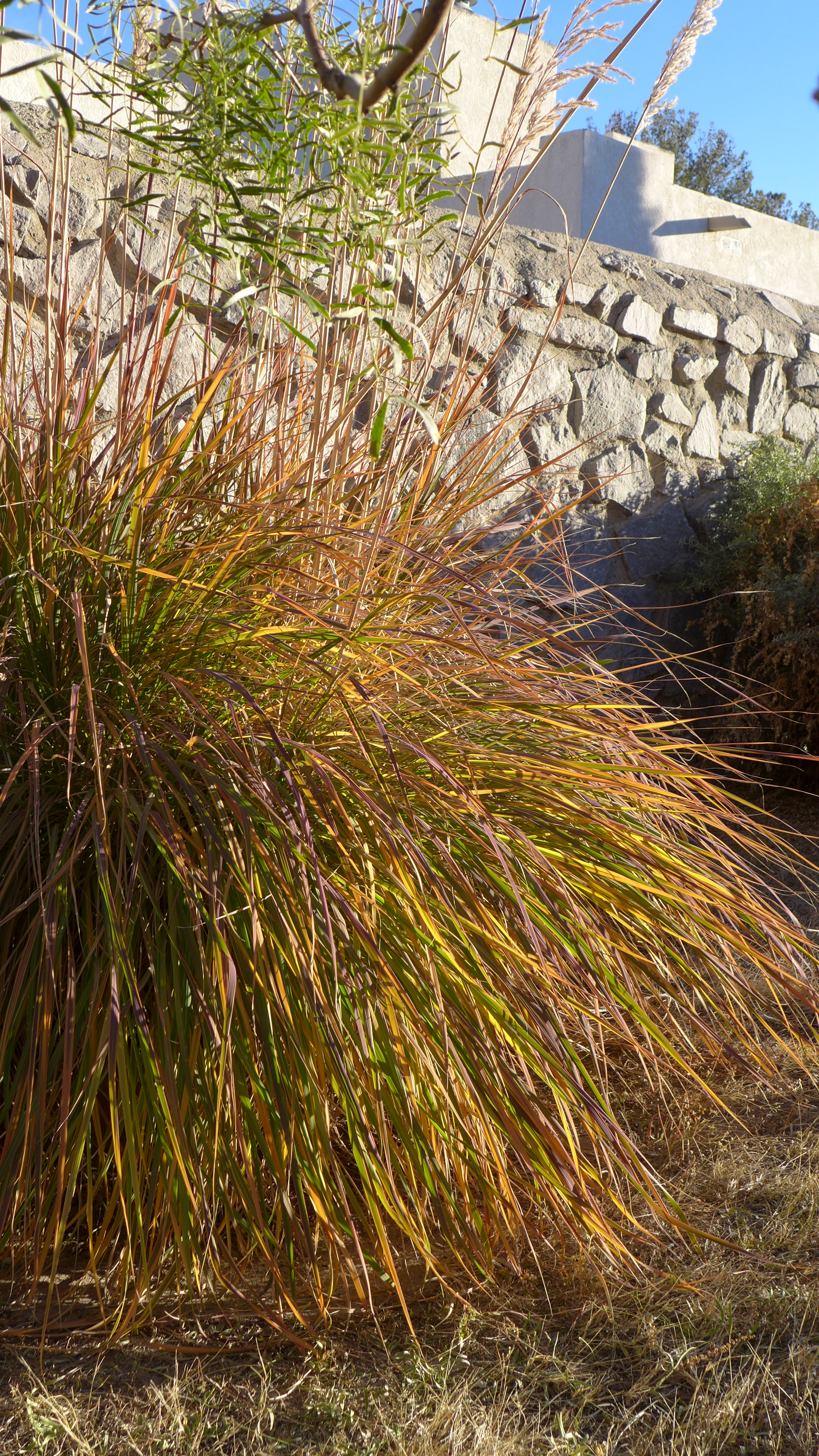
Here is my effort.  P1000338A few days later I gathered some leaves from the tall ornamental grass in my yard, and did some more practicing. P1000342The plant outside is much browner now because we had a snowfall the day after New Year’s.  I’m enjoying this color while it lasts.

The San Diego Desert

1 Comment

I was in San Diego, California, in October, but other things intervened and I’ve only now uploaded my photos into the computer.  These photos are from a walk in the Scripps Preserve, a small sample of what the landscape of the San Diego area once was. P1000287It still seems amazing to me that this area was desert, right up to the water’s edge, before people started altering the landscape.  Dry bushes on the cliff give way to green in the arroyos, which probably benefit from the runoff from houses, roads, etc.P1000291There are small yellow flowers, similar to the ones I see in “my” desert far inland.  I guess that this is some variety of Bahia. a family with many varieties. P1000289Many of the bushes had recently gone to seed – as one would expect in October. P1000293And the overall look of the area made it quite clear that California is in drought conditions. P1000292Deserts are deserts whether near sea level or at 4,000 feet, where I live.  And this is in spite of the greater humidity coming off the water.  My skin appreciated that difference.


Not a Sunrise!

1 Comment

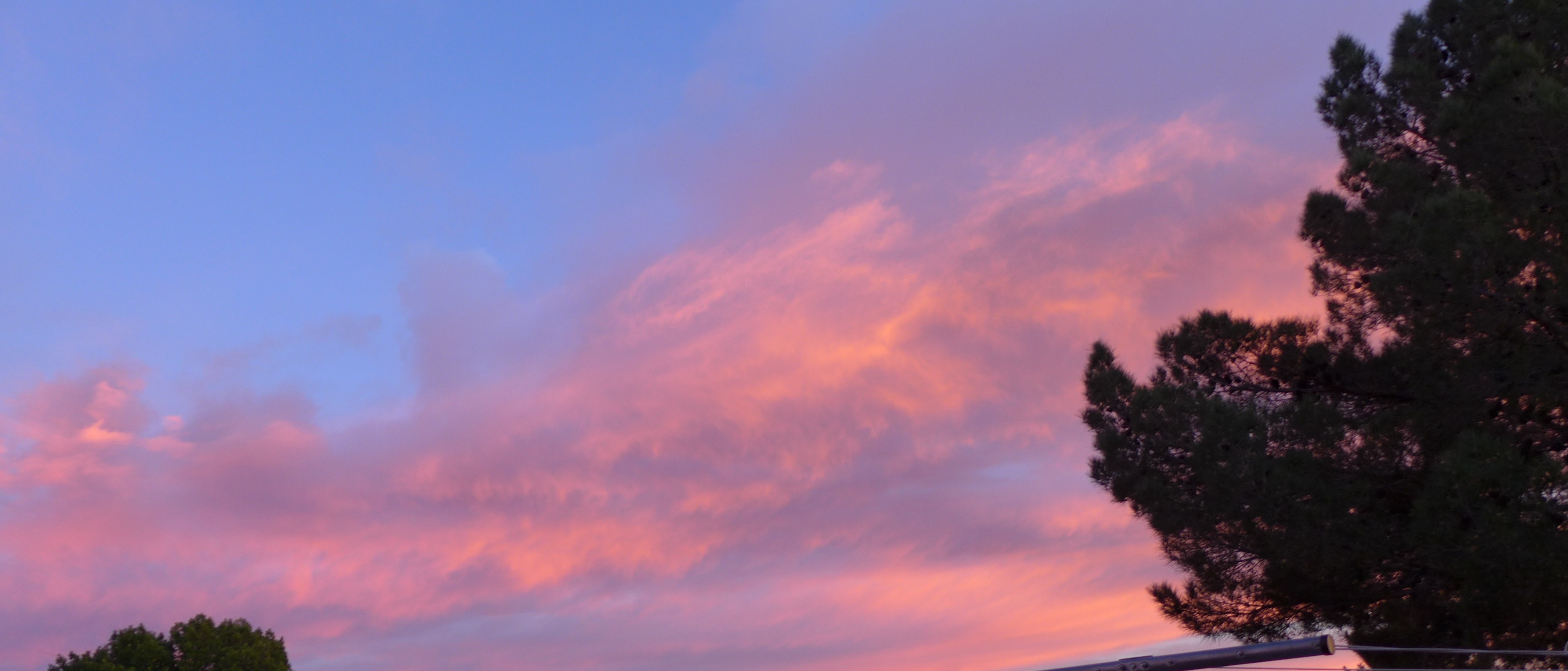
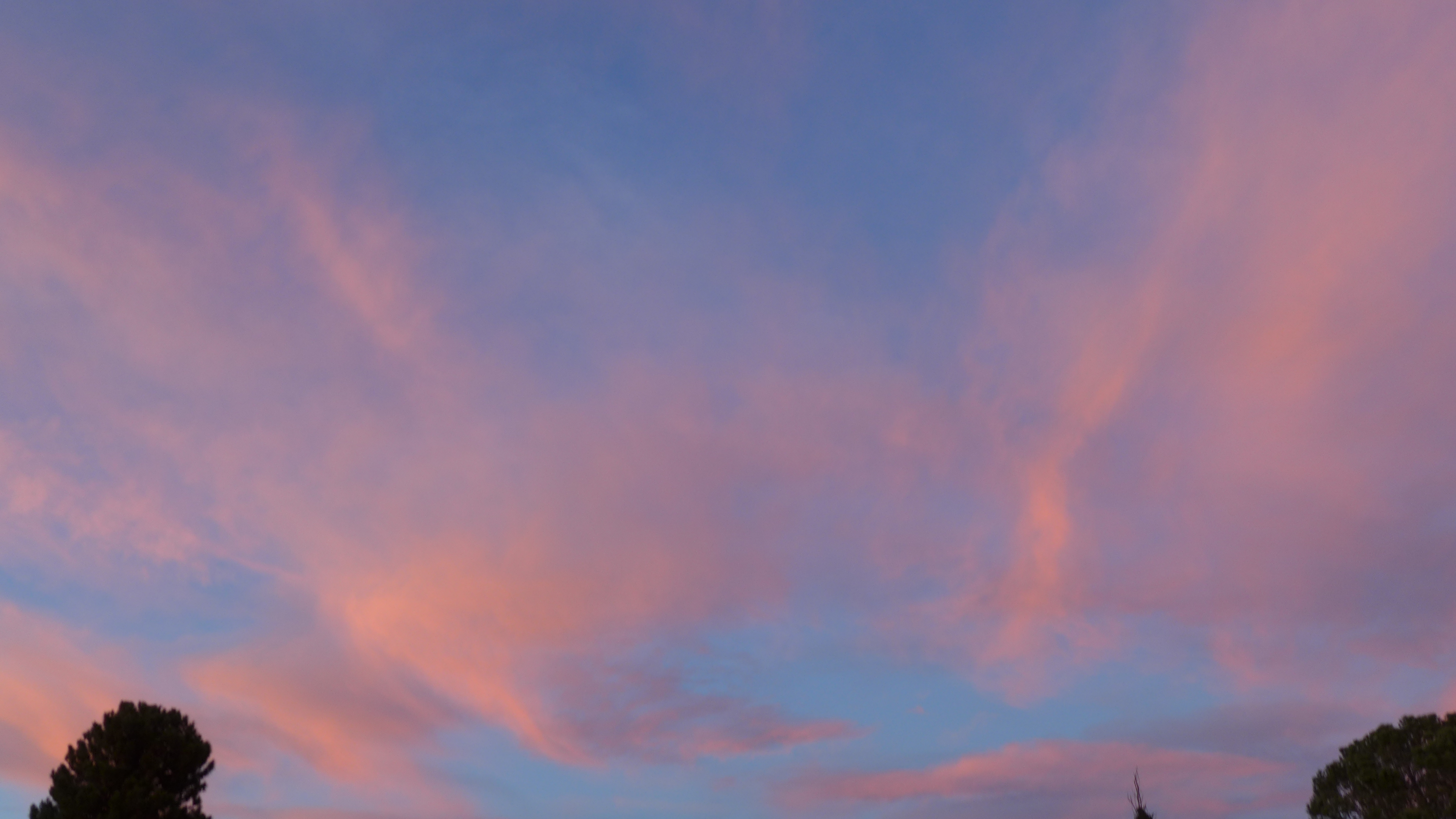
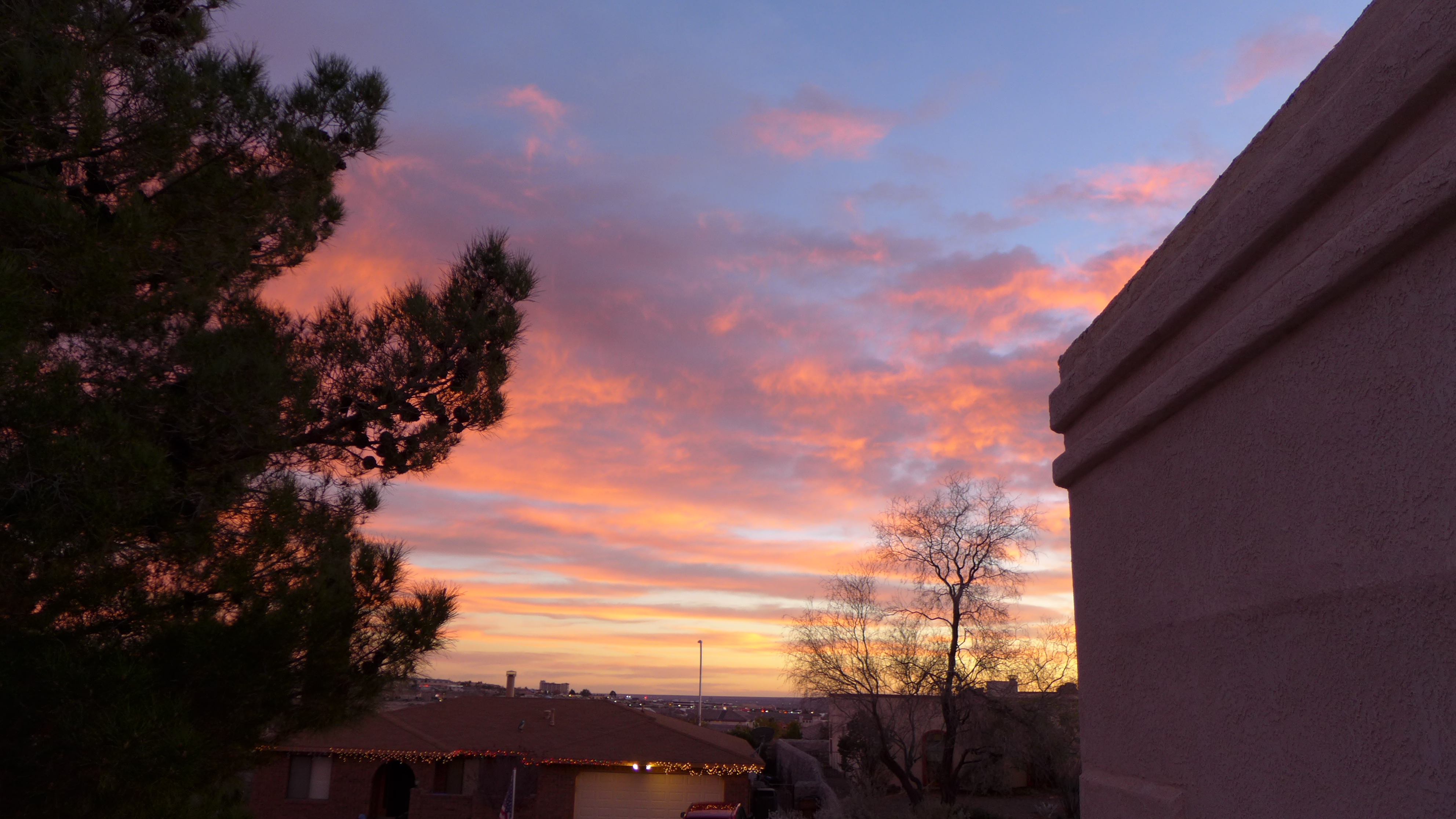
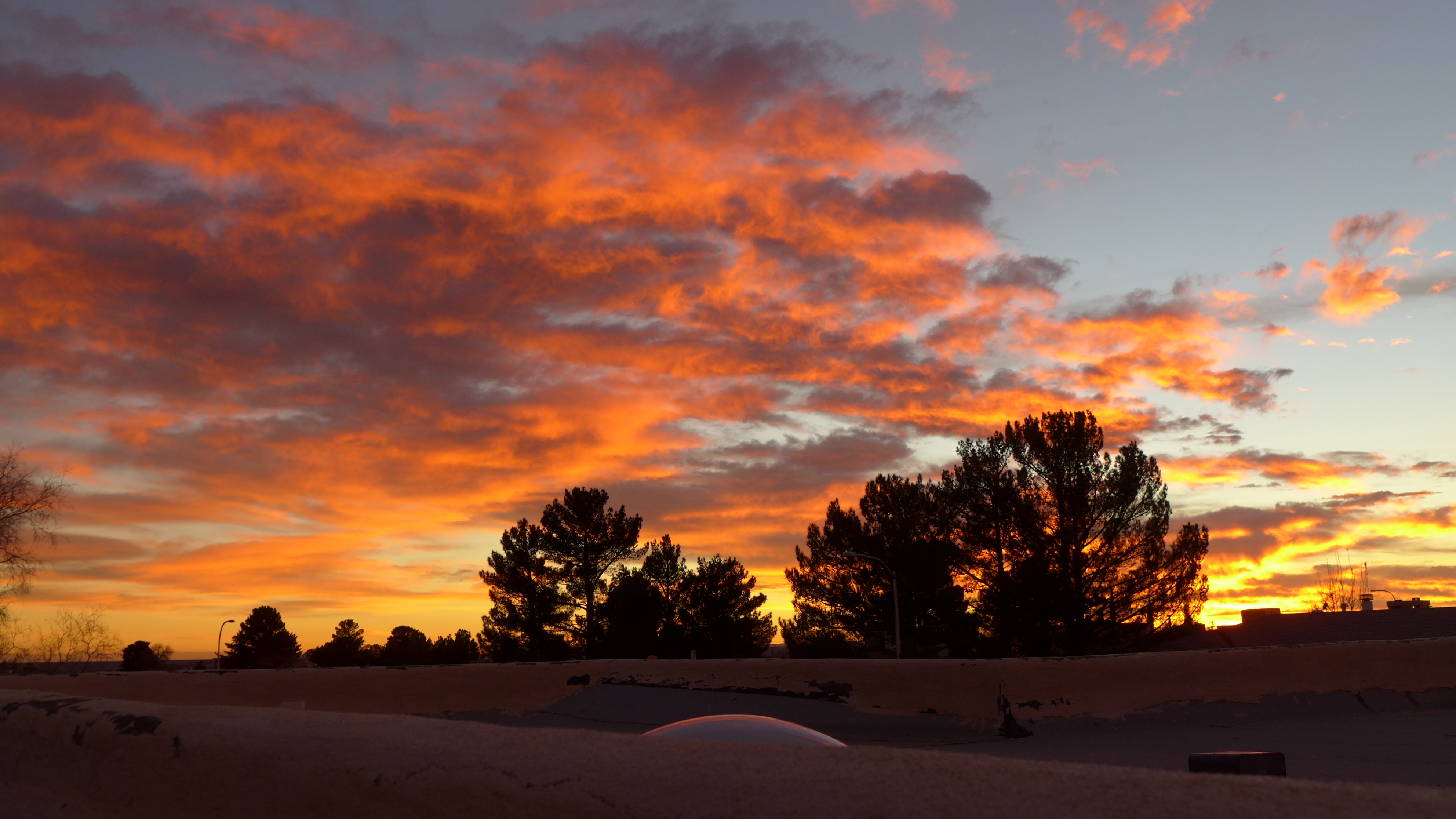
This evening a little after five p.m. I looked up and saw an unusual amount of color in the eastern sky.  This is the direction in which I usually photograph sunrises. sunset eastWe had a neighbor in Maine who lived on a point and could measure a sunset by how far around the circle of her view there was color.  Tonight’s was nearly a 360.   There was color both north and south.

sunset northsunset south


It was as if the sun had decided to make a big splash because it had such a short work day.  Which is utter nonsense, of course.  But it was beautiful, and seemed a good omen for the new season of moving slowly into more light.   Here is the main show, a little bit south of west, seen over our roof.P1000323


Is It Winter Yet?

1 Comment

Of course it isn’t winter yet by the calendar.  But many plants are reacting to recent freezes and changing their colors.

P1000309Cottonwoods in the arroyo are all golden, but haven’t yet dropped their leaves.  The leaves of the buffalo gourd vine, on the other hand, have all frozen, leaving the gourds to show their stuff.  P1000307In my back yard the four-wing saltbush is covered with ochre seed pods. P1000304And the tall grass plant is turning leaf by leaf from green through red to yellow to brown.P1000313There’s an extra glow in the morning sun which I haven’t found a way to catch in the camera.  I haven’t caught it in words either, though I admire it from my desk every morning.

September Revisited I

1 Comment

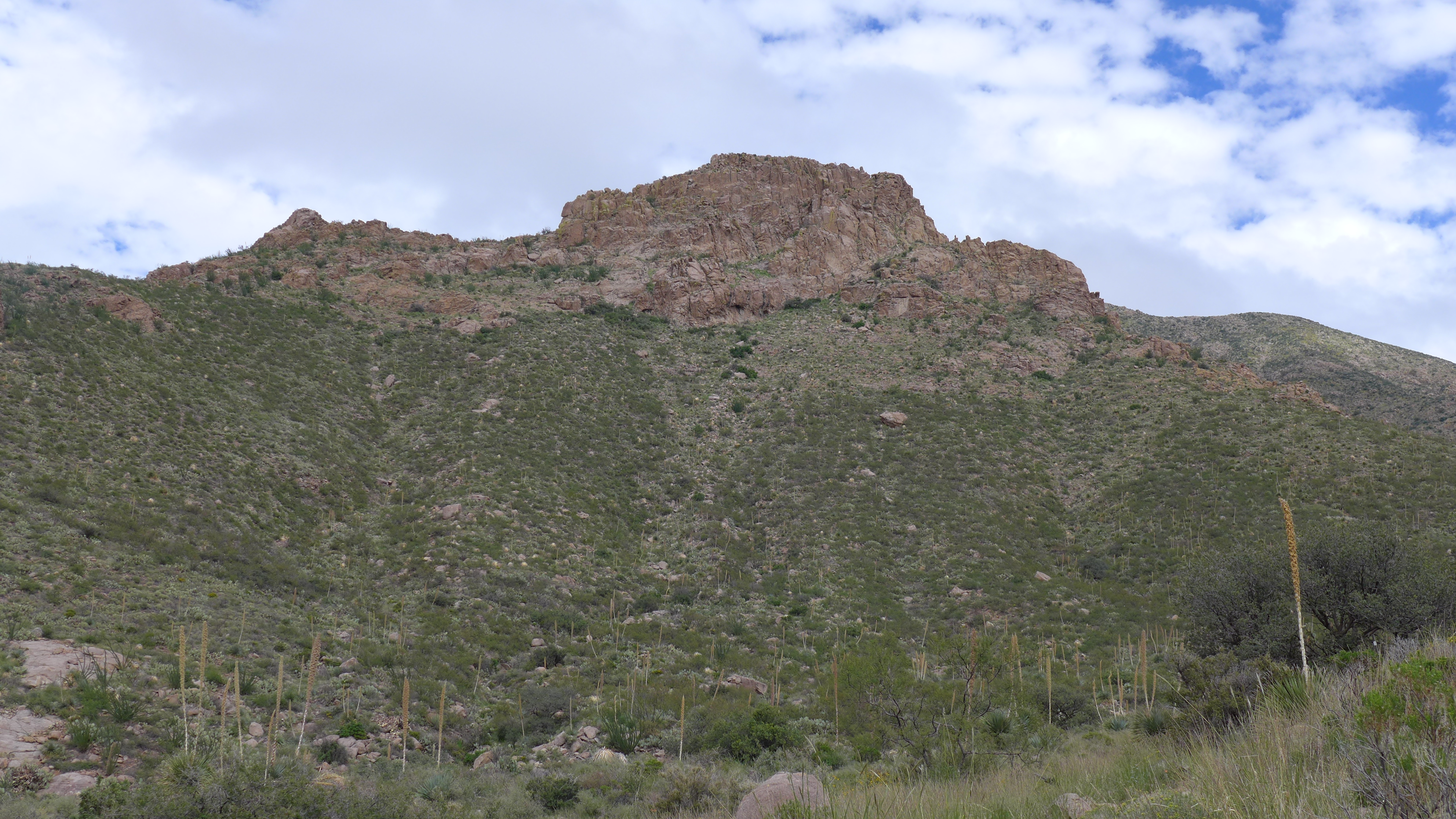
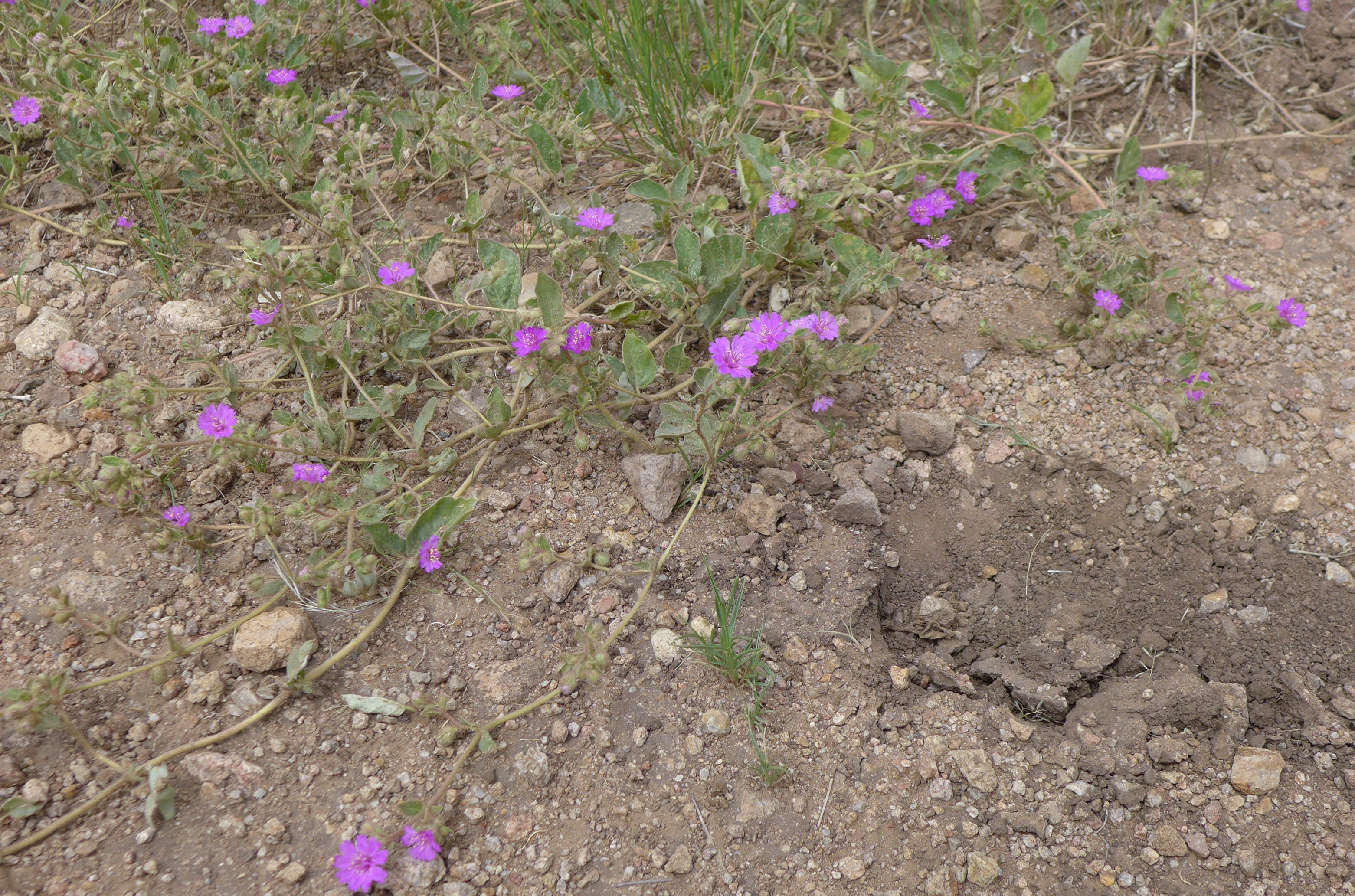
At the first cool spell in September I went out on a hike to see what the rains had done in the hills.  Yes, there was green.  And some wild flowers.  Then I got involved in my book readings.  It was over a month before I got the pictures transferred to the computer.  Then I forgot that I had done that.  Another month has gone by.  Here, at last are some views I found to share from that September hike.grassYes, there was grass along the trail.grass.sotolAnd thick growth as I climbed into the canyon.  There were lots of sotols.  These were not affected by the rains, they had bloomed in the spring and long since gone to seed, but I found one worthy of a close-up.sotolI was not up to a long hike, but it was pleasant to get closer to one of the Organ Mountain peaks.peakThere were flowers blooming, thought none were very showy.  If I went back this week, the grass would all be yellow and the flowers gone.

yellow flower

purple cropped

Sunrises

2 Comments

What is it that makes a sunrise so attractive? The ephemeral nature of it is no doubt part of it.  The clouds don’t stop moving so that their effect can be admired.11.15 sunrise

The difficulty of capturing a sunrise is surely part of the attraction. Painters are naturally interested in sunrise and sunset because the colors are so varied and hard to reproduce.  I can’t do a sunrise justice in a poem, because there aren’t enough names for all the variations in the color, and people don’t agree on the names there are.  Photography has its own complications of capturing the shifting light against darkness elsewhere.11.16 sunrise

In our household we are such creatures of the clock that we only notice the sunrise at a few brief periods of the year. The rest of the time we are up too early or too late.  The problem of being too late is obvious.  The problem of being too early is caused by my inability to put off getting to work – near a window through which the sunrise does not appear.

These photos were taken on two consecutive mornings―this past weekend. Two very different beginnings of two different days.  This morning there were no clouds at all to create any colors.

Older Entries Newer Entries