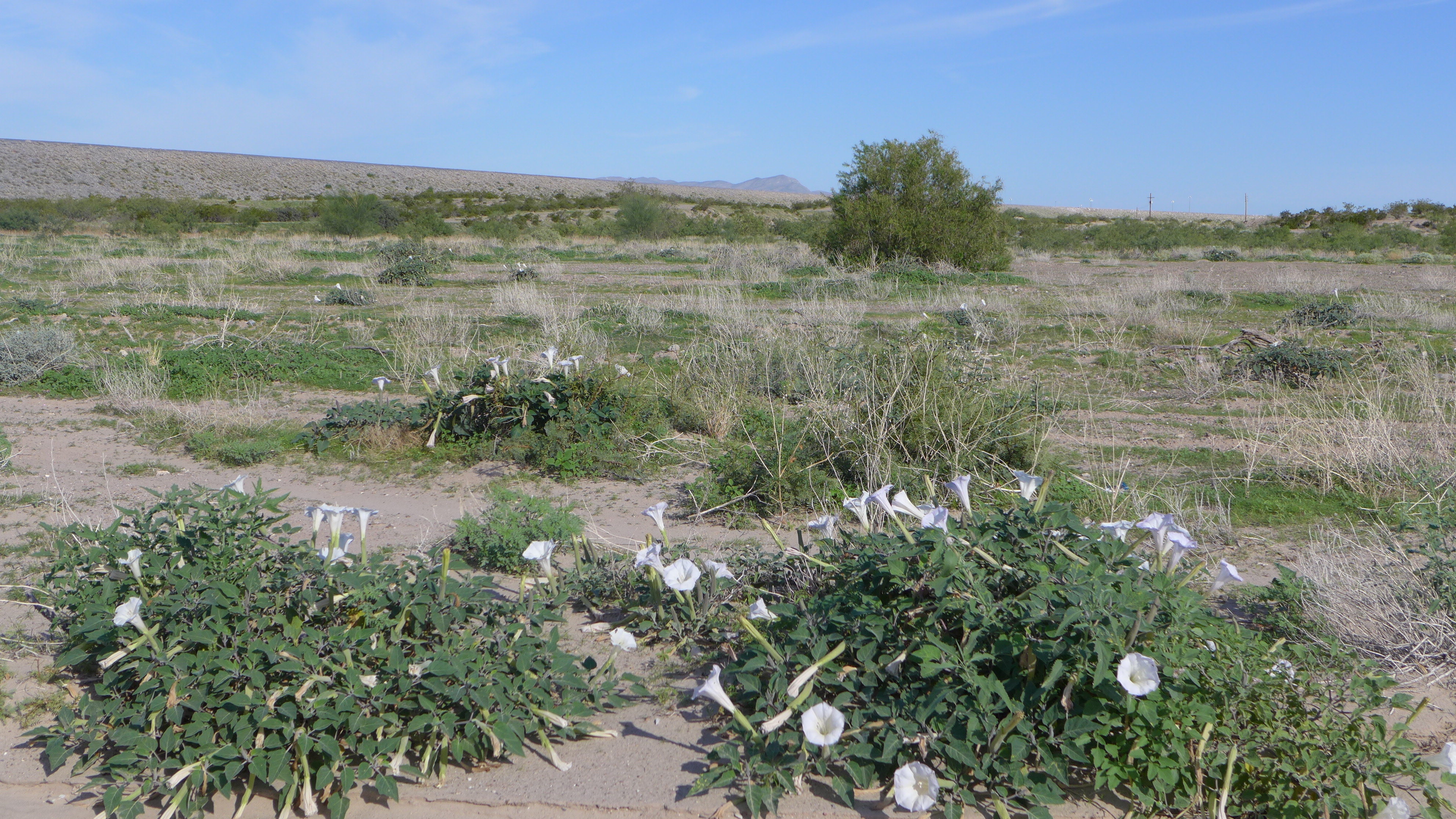
The desert, in this case, is the arroyo behind the three mile long dam built to protect Las Cruces from floods of water coming down from the mesa into the valley. Plants get plenty of water from the runoff of the rains. 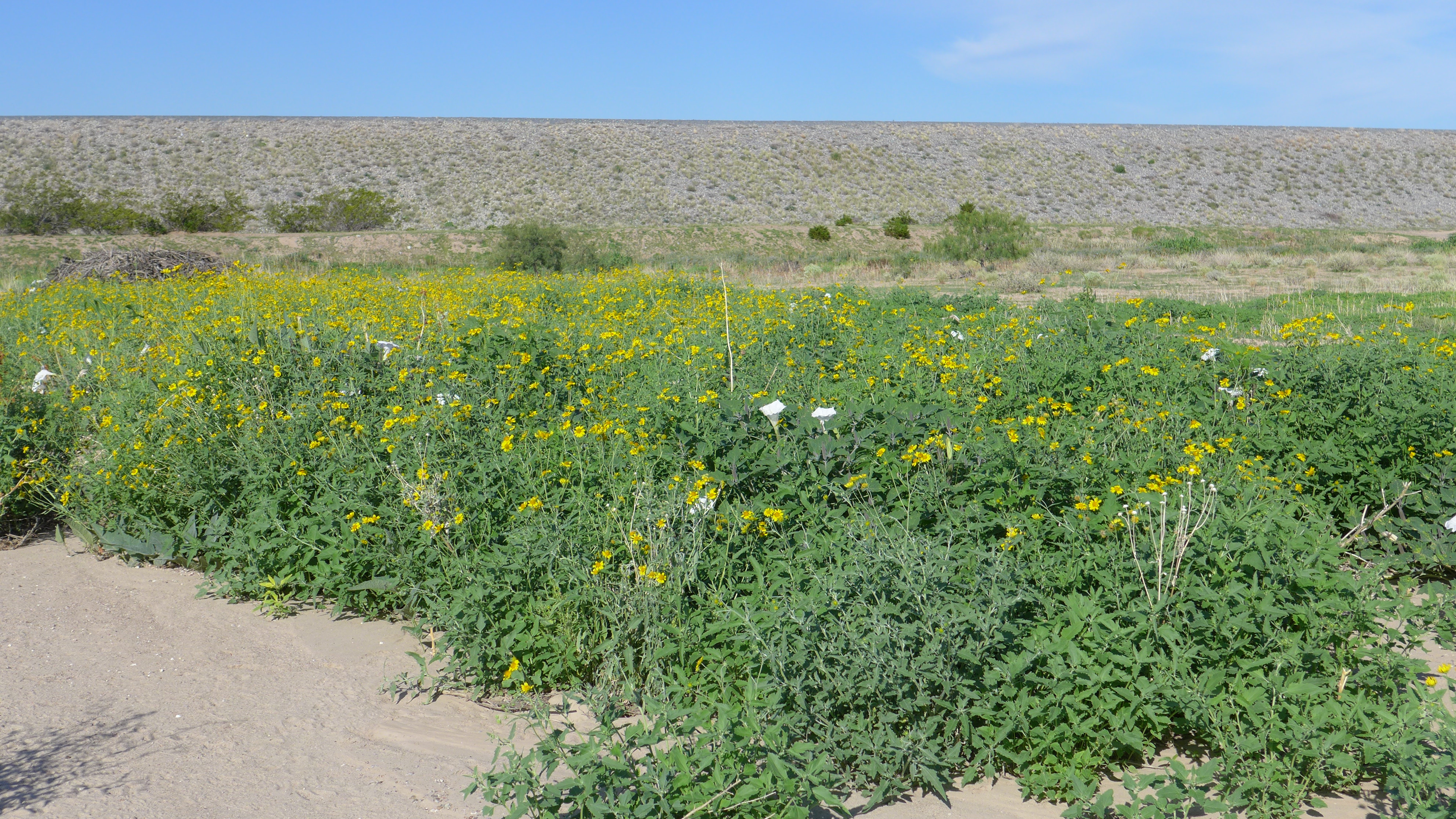 The weather is moving toward fall and a few days have been cool enough for a walk in the sand during good photo hours. Above the yellow Bahia and the white datura (jimson weed) with the dam in the background. The city is right on the other side. Below, some datura close up.
 Another native plant which has been enjoying the weather is the potato plant. Like the datura, it is poisonous.
 The dominant perennial plants here are creosote bush and mesquite. The creosote bushes are covered with small yellow flowers.
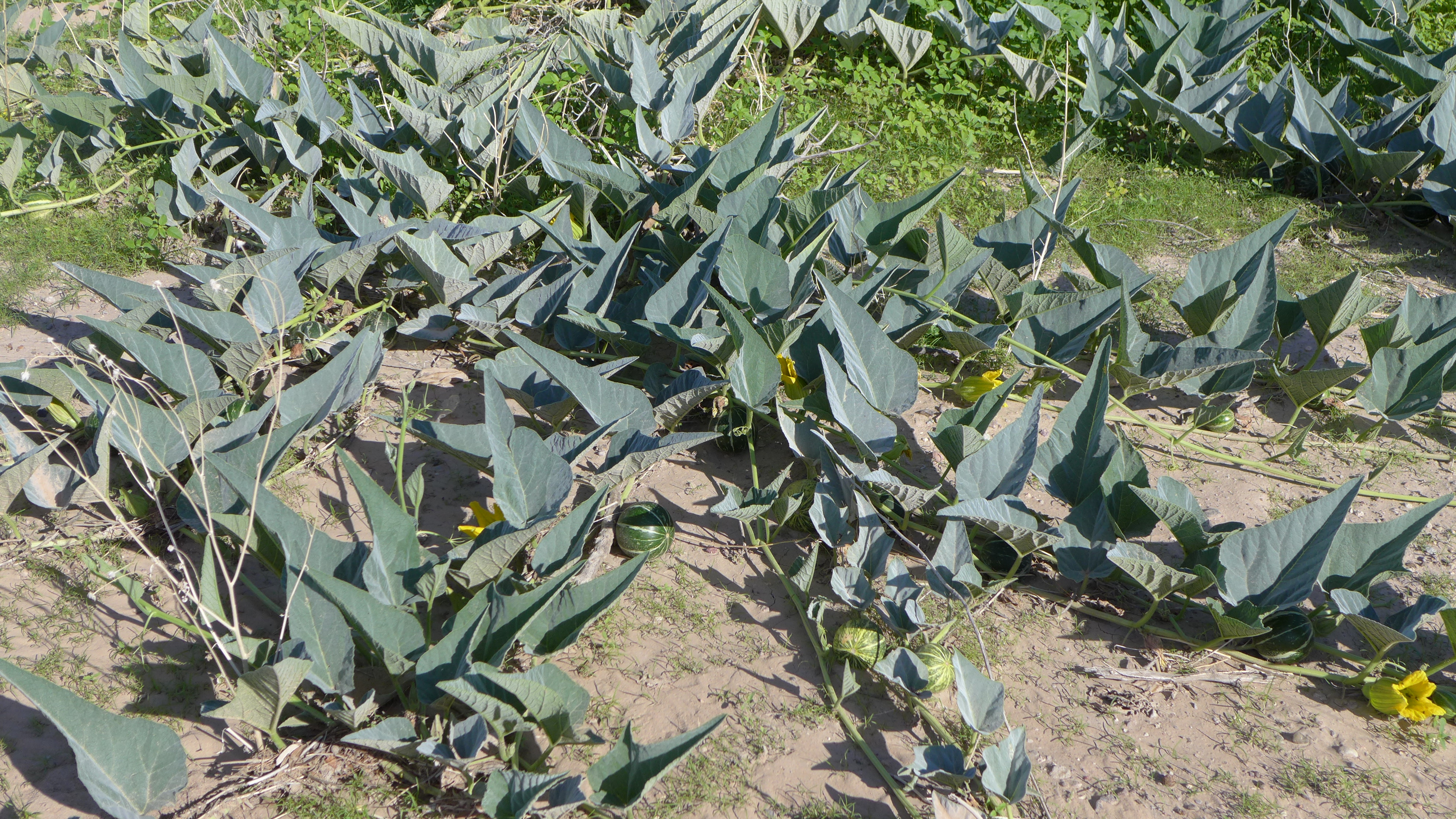
 Another plant which appreciates the rain is buffalo gourd. There are already a few gourds on this plant. Come fall, the gourds will be bright yellow balls, which some artisitic people collect to make Christmas tree ornaments.
 On my way back to the road, I noticed this Texas sage plant. Its brilliant color is in contrast to most of the flora here. Texas sage is not native here, but well suited to the climate. Some bird brought the seed from somebody’s yard.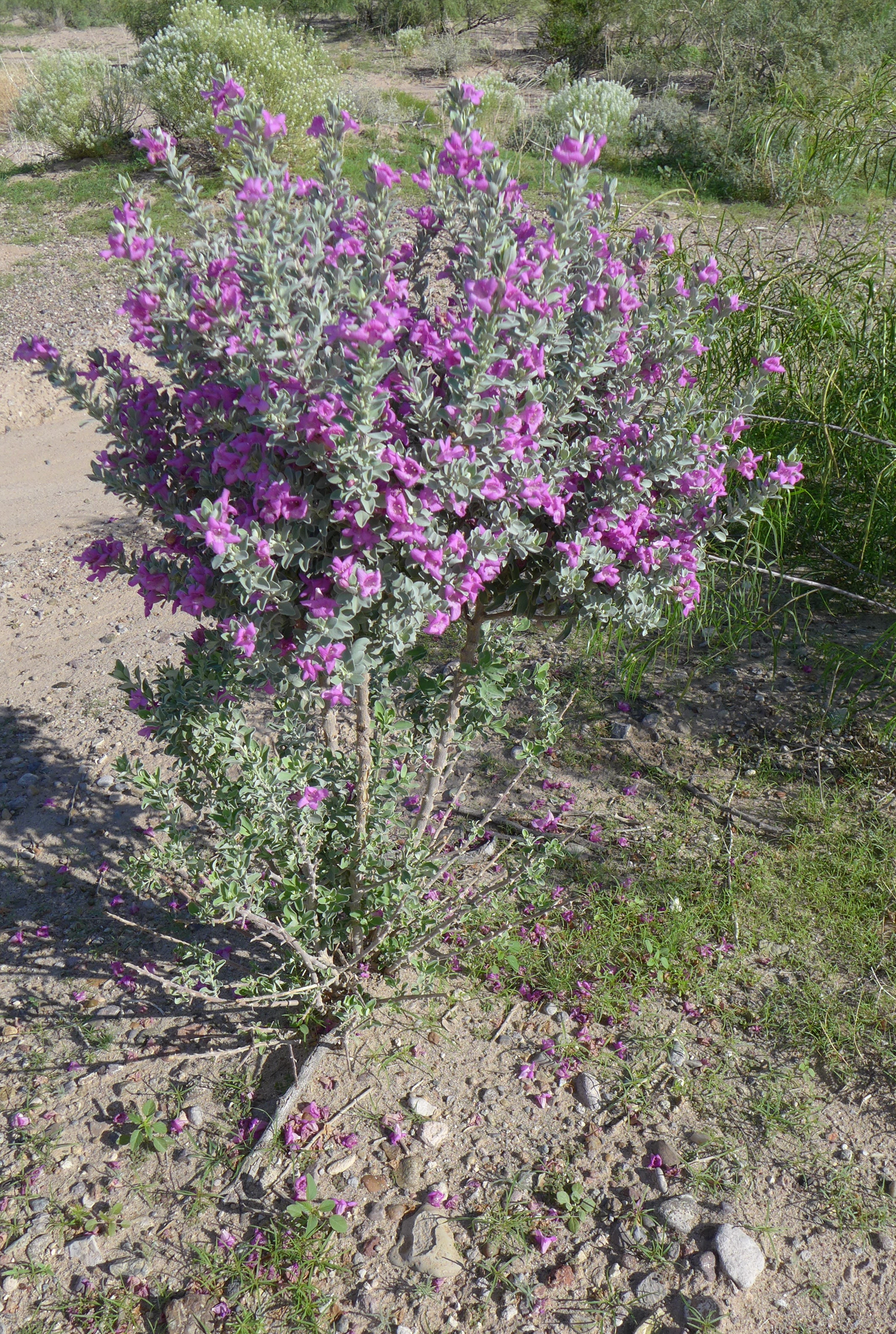
Desert Blooms
August 23, 2014
Uncategorized native plants, New Mexico, photos 1 Comment
Napa 3: Yes, There Was Writing Too
August 17, 2014
Uncategorized Napa valley, native plants, photos, poetry, tanka 1 Comment
 My back yard has acquired its post-rain carpet of green. When it first appears I can’t tell which plants will be weeds and which will be wildflowers. I feel a bit that way about the results of my participation in the Napa Valley Writers’ Conference. I’m sorting out my drafts of poems and my new ideas and deciding which pieces have most potential.
Many of my poems centered on the past. Perhaps this was because I was back in California where I grew up, though the Napa Valley wasn’t part of my home turf. Perhaps it was because when one has 20 hours to produce a poem, one goes back to basics. Here’s one piece which may be complete in itself, having taken the shape of a tanka. The assignment was to show passage of time:
Almond blossoms in spring,
tiger lilies in summer. Our height
marked on the door post.
Before my brother grows tall,
the house is no longer ours.
Another piece is too short for a tanka, too long for haiku. Perhaps it is the beginning or end of a longer poem, though right now the rest isn’t working.
Prunes, apricots,
cannery by the tracks. I bury questions
in my grandfather’s orchard.
Since I’ve been working on a different poem about trying to put my ancestors behind me, I may put this aside for a while. I have researched all the main lines of my ancestry and after writing John Emerson Roberts: Kansas City’s “Up-to-date” Freethought Preacher (see Books page) I thought I was done. But here is my grandfather and his orchard once again.
Meanwhile, in a corner of my yard not as covered in new green shoots, a little clump of purple mat, my favorite local wildflower, is flourishing. It didn’t have to wait for the rain to get started. And I have lots of other material to work with while I decide what to do with my new pieces from Napa..
Napa Valley, Land of Sun and Wind
August 13, 2014
Uncategorized balloon, Caifornia, grapes, Napa valley, photos Leave a comment
Napa and its valley are known for wineries, and the territory lives up to expectations. There are fields of grapes everywhere you look. I even found a small plot of grapes in a small park in St. Helena, the town where our conference was held.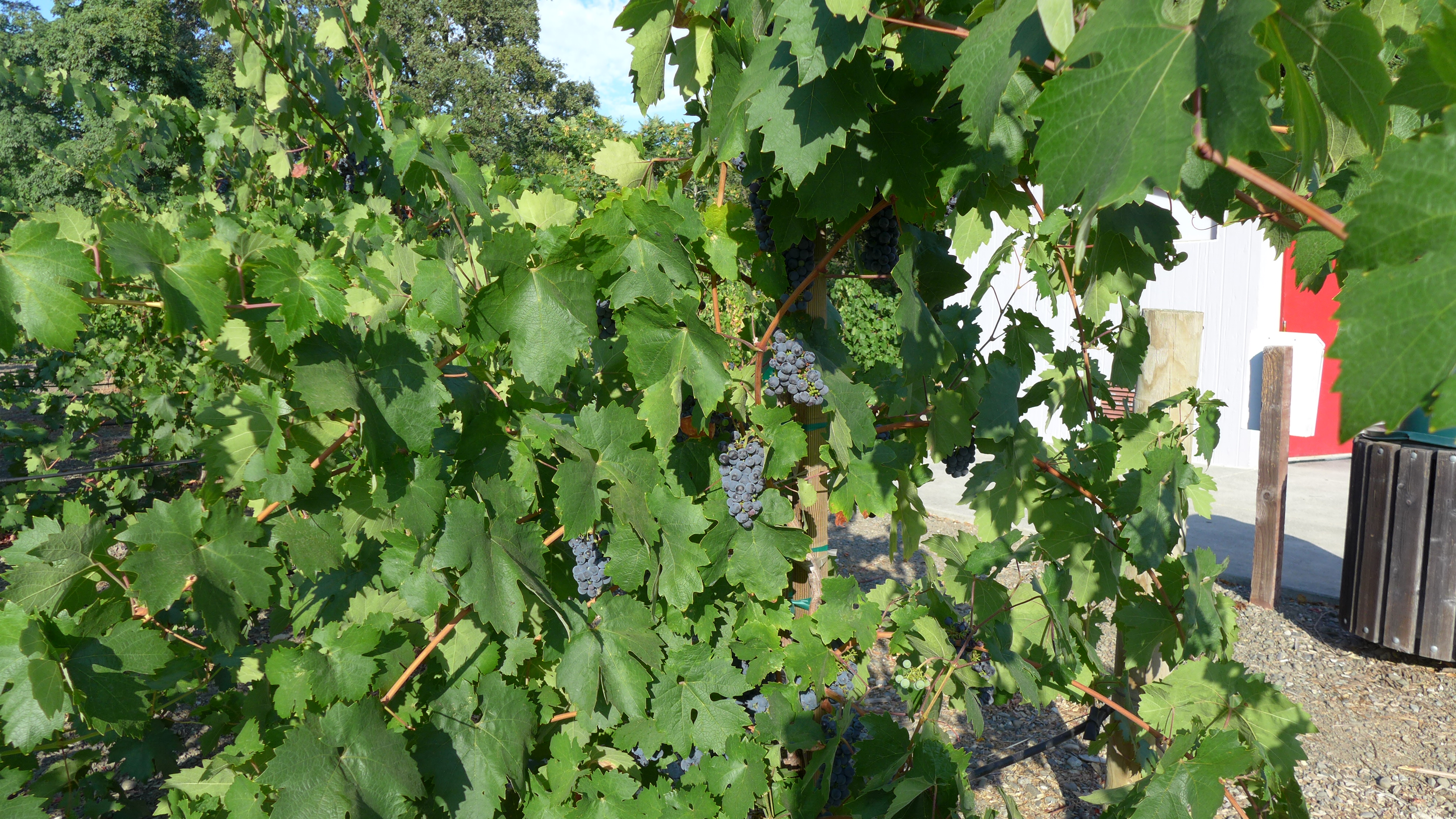
There was a vineyard across the street from where our conference met. The first day I had time to wander over for a closer look, the plants looked much like the one in the park, the grapes tucked among the leaves. The next day I went back with my camera and found this: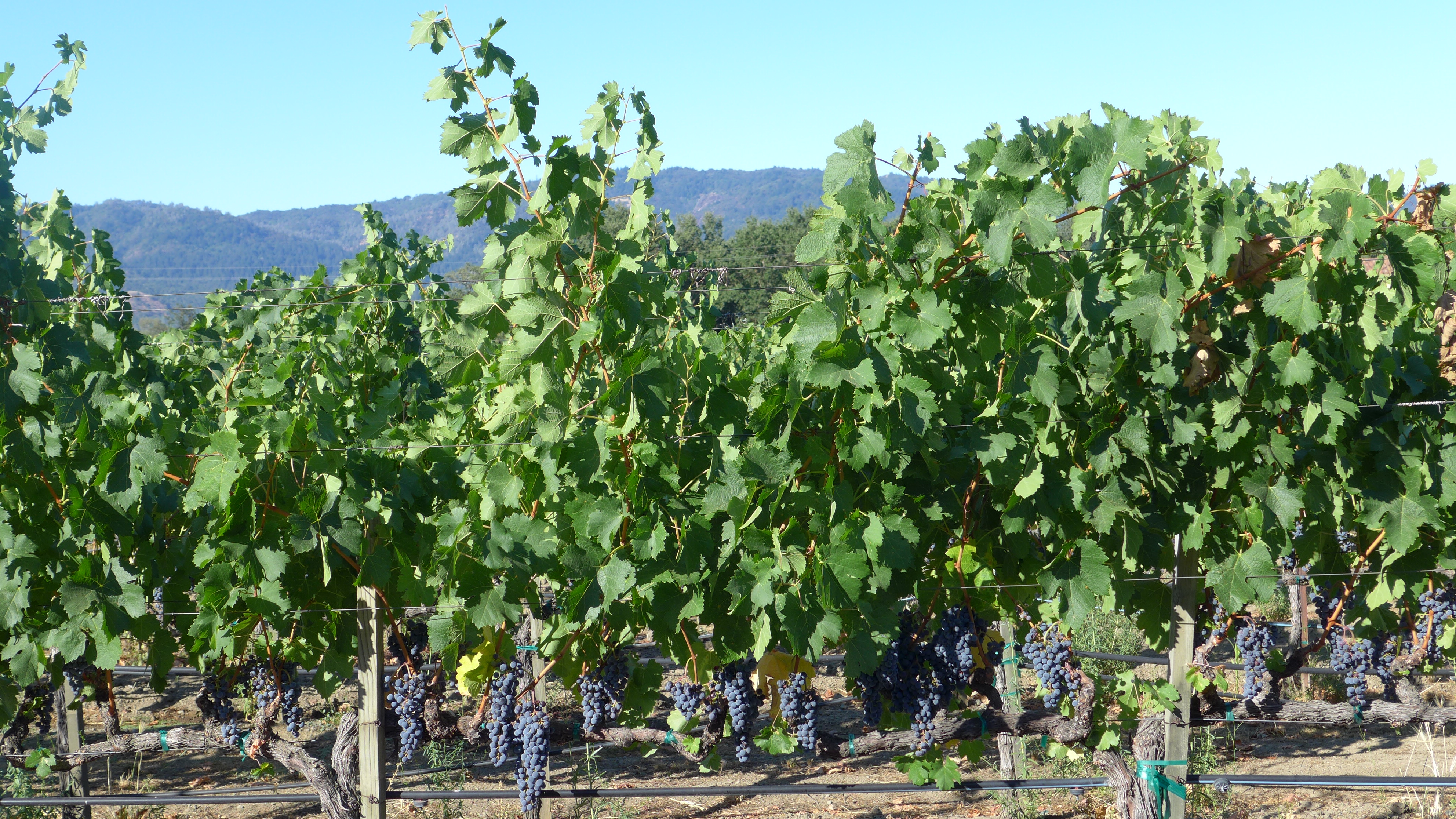
My guess is that this is to give the grapes more sun. This would also make them easier to pick, but I think the savings in labor at that point would be balanced out by the work of pulling each laden vine down.
My hotel didn’t serve breakfast until 7:00, so I was often up and working on my writing assignments before then. One morning I looked at the usually empty field outside my window and saw: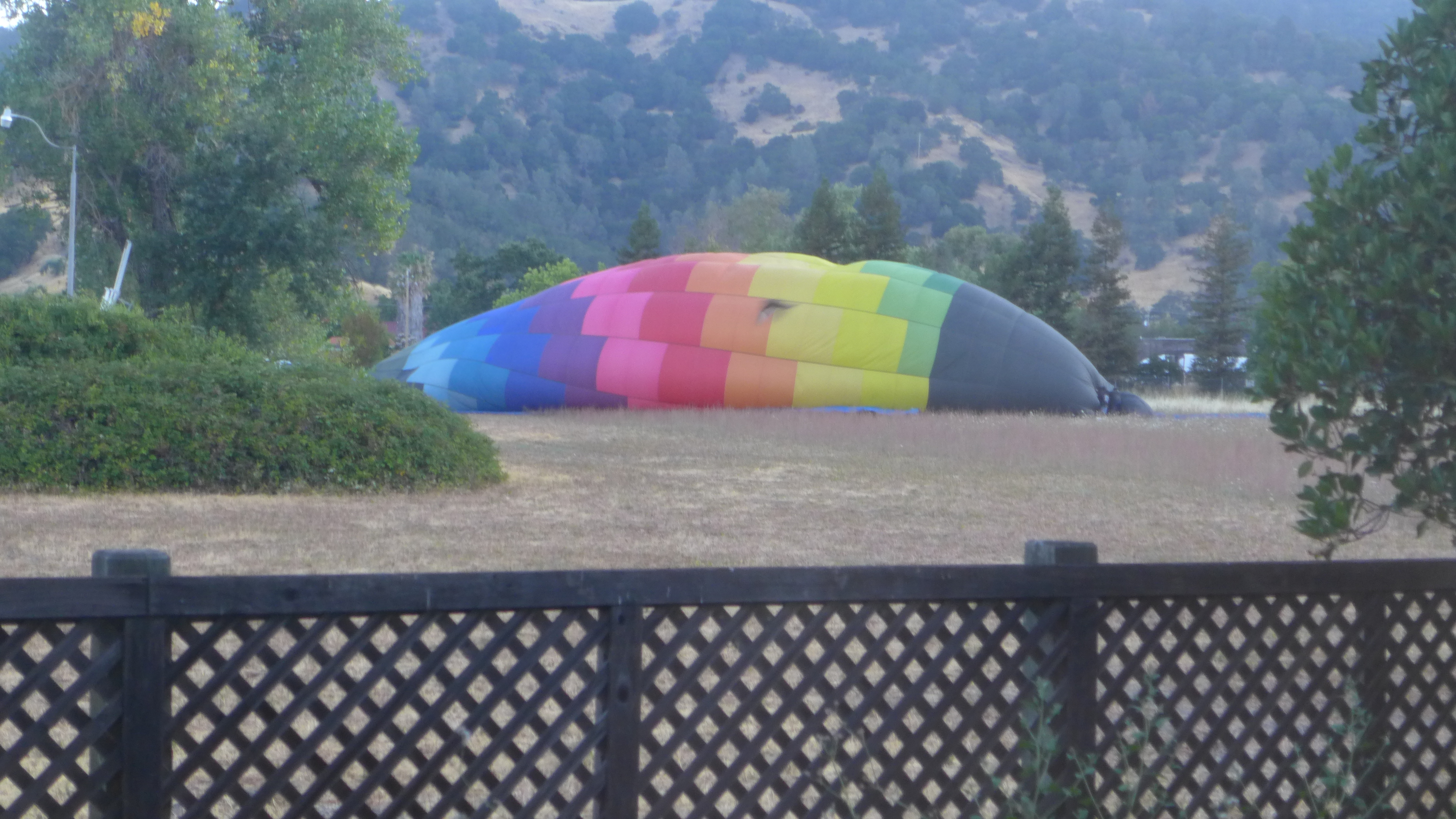
Though New Mexico is famous for its balloon events, I had never seen one being filled. A slow process, requiring patience, and from the look of the number of people walking around, considerable co-operation and precision. 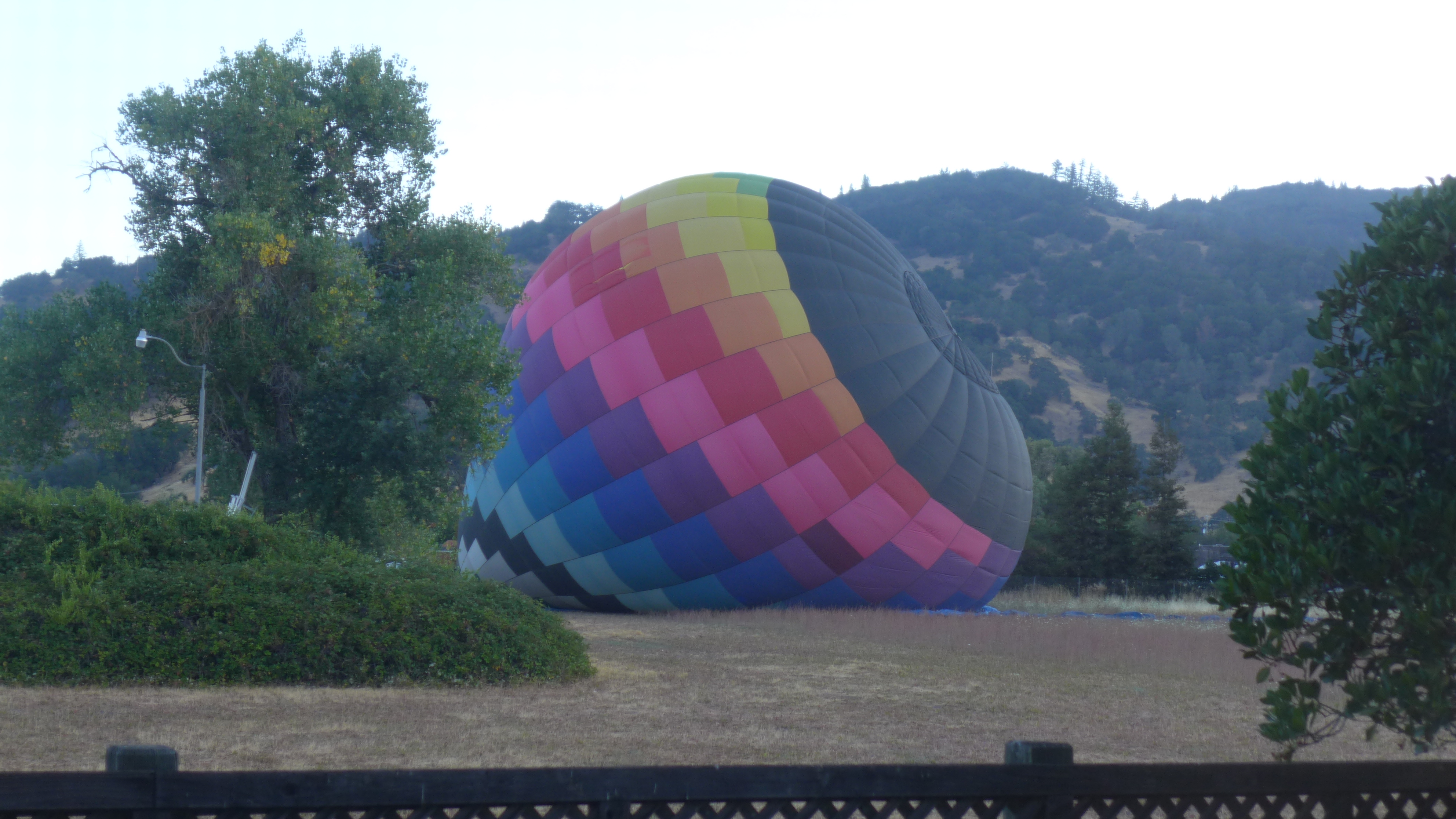
I continued to watch until the balloon left the ground. Two people remained behind to fold up the ground cloths which had protected the balloon from the dirt. 
By the time I left for my workshop, I could find no trace of the balloon in the sky.
Going Out and Getting Back
August 8, 2014
Uncategorized California, Calistoga, photos, Robert Louis Stevenson, writing Leave a comment
I’ve been off at a writers’ conference, without my laptop, and so not blogging. My “re-entry” has been slow this week; I seem to be way off schedule.
Yesterday I baked bread and also spent time reviewing my recent poems to see what is ready to send out, what might go with what, what needs more work. Only afterward was I reminded that it was Lammas Day, the cross-quarter day between the summer solstice and the fall equinox. Lammas celebrates the first harvest; baking bread acknowledges the harvest. A cross-quarter day is a time for checking on the progress of one’s goals and intentions.
Without being conscious of what I was doing, I was getting back on track with the calendar.
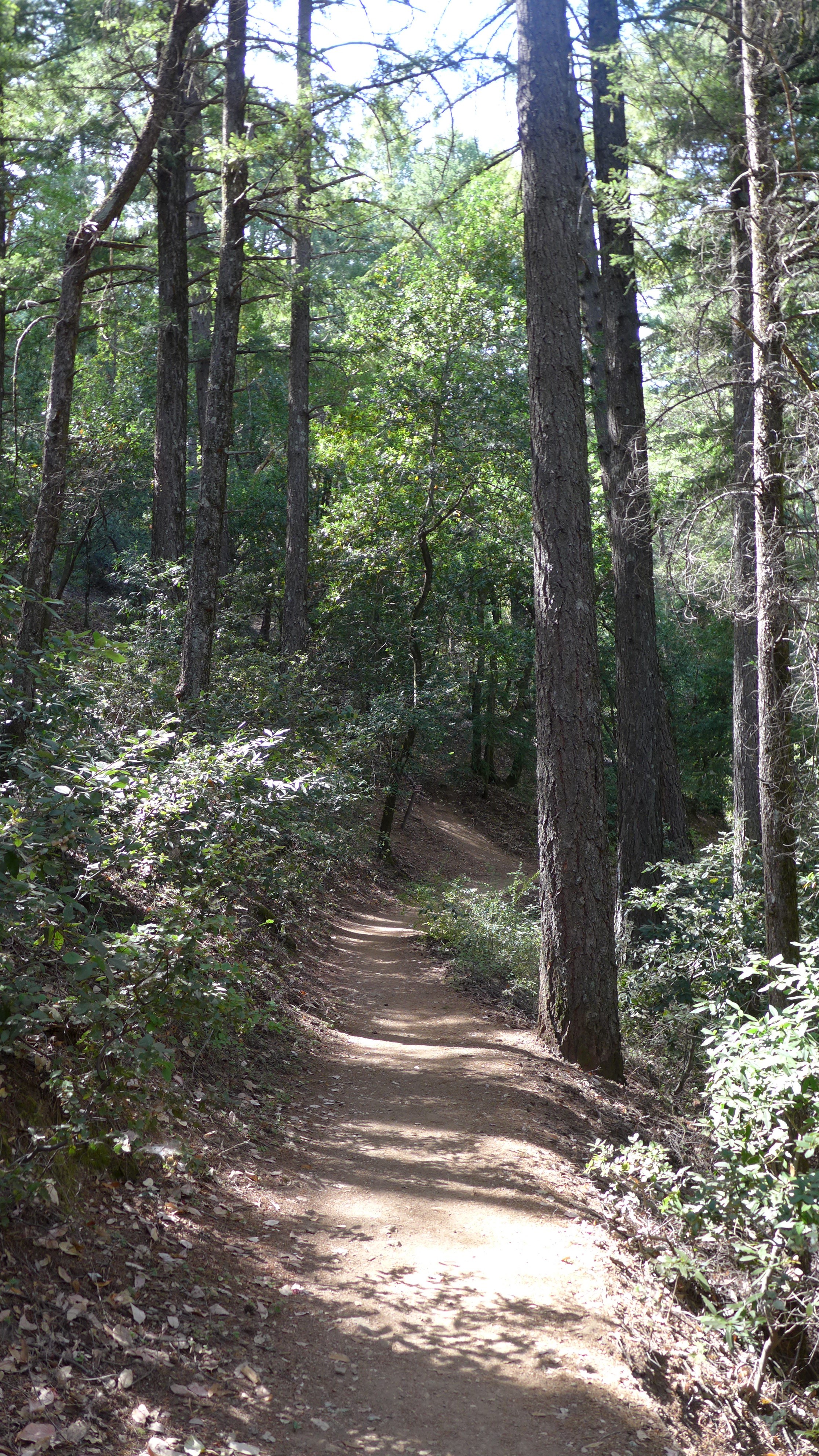
Stevenson Trail
I’ve been at the Napa Valley Writers’ Conference. I stayed in Calistoga. On one break I went for a hike in the Robert L. Stevenson State Park. The drive up twisty Route 29 reminded me of trips along the California coast in my childhood.

Looking Down the Canyon
I found a nice trail up to a monument, which marks the spot where Stevenson and his wife stayed in 1880. There’s nothing left of the structure or any evidence of their having been there except a monument which was set up in 1911.
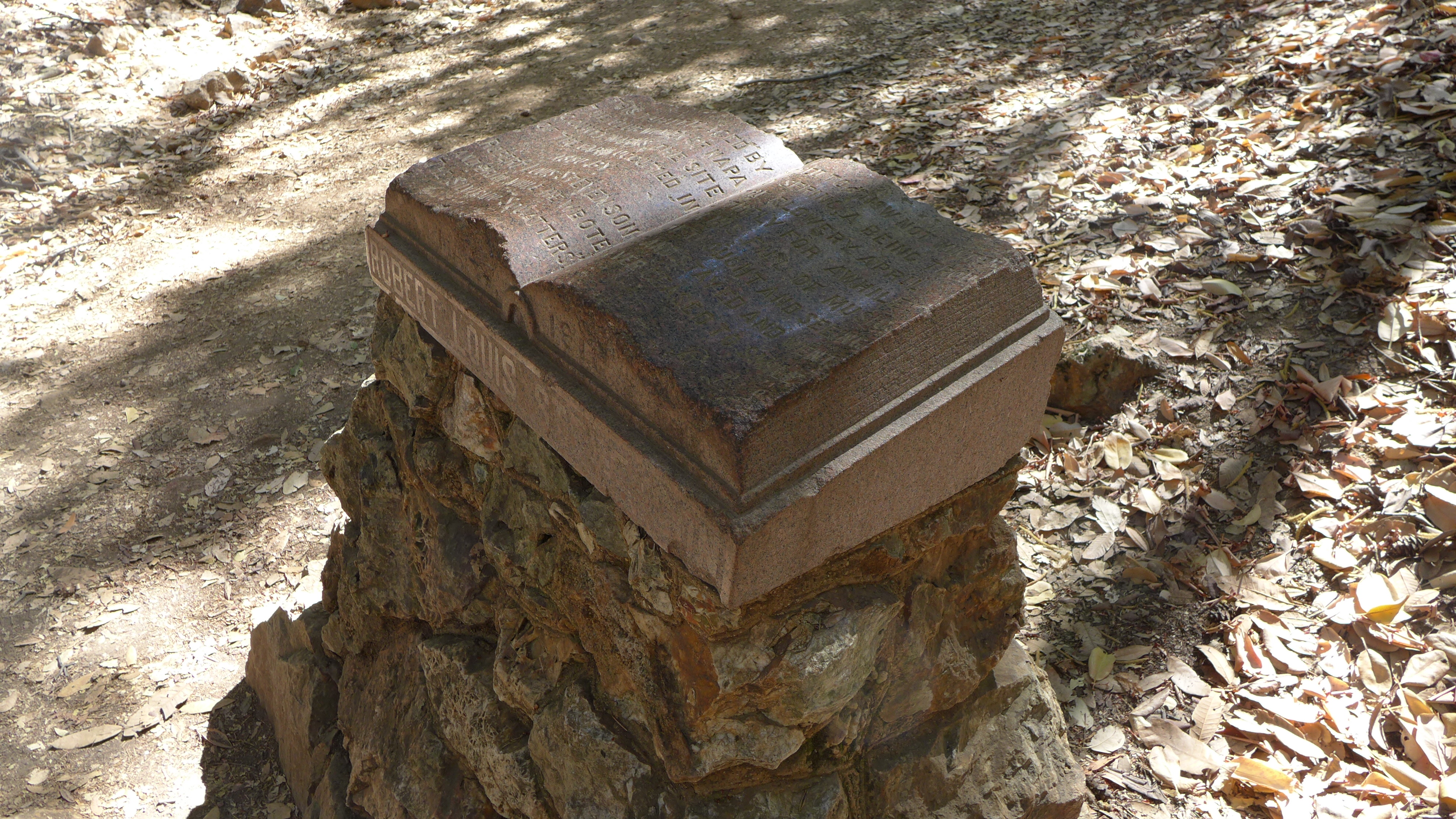
Stevenson Memorial
There’s plenty of attention to Stevenson in the local museums as well, a curious situation considering that he only stayed in the area for a few weeks. His writings must have been good publicity for the mineral springs of Calistoga.
Summer Solstice and a Celebration
June 21, 2014
Uncategorized Bridge, Maine, photos, solstice, wheel of the year 3 Comments
Today is a Lowellesque June day. It’s nice of the clouds and other natural forces to let the sun come through boldly on this longest day (in the Northern Hemisphere). Here the day is 15 ½ hours long, sunrise to sunset.

Trees in Sunlight
The solstice has gradually become more the “other New Year” for me than September. This is partly because I now live in a place where school starts in August and other things rev up at different times. It is also partly because I have no one returning to school―except myself, to help some elementary school students with their reading.

June Wildflowers
When I return from vacation in mid-July I am at once involved in planning, in sorting submissions for Sin Fronteras Journal, and in a thickening schedule of other activities. So I spend June days walking on the rocky beach and wondering whether there are things I should do differently this time around. The place where ocean touches land is said to be an edge where things can arise from the depths, perhaps displacing the set of thoughts, plans, ideas, that lead one into the same old patterns.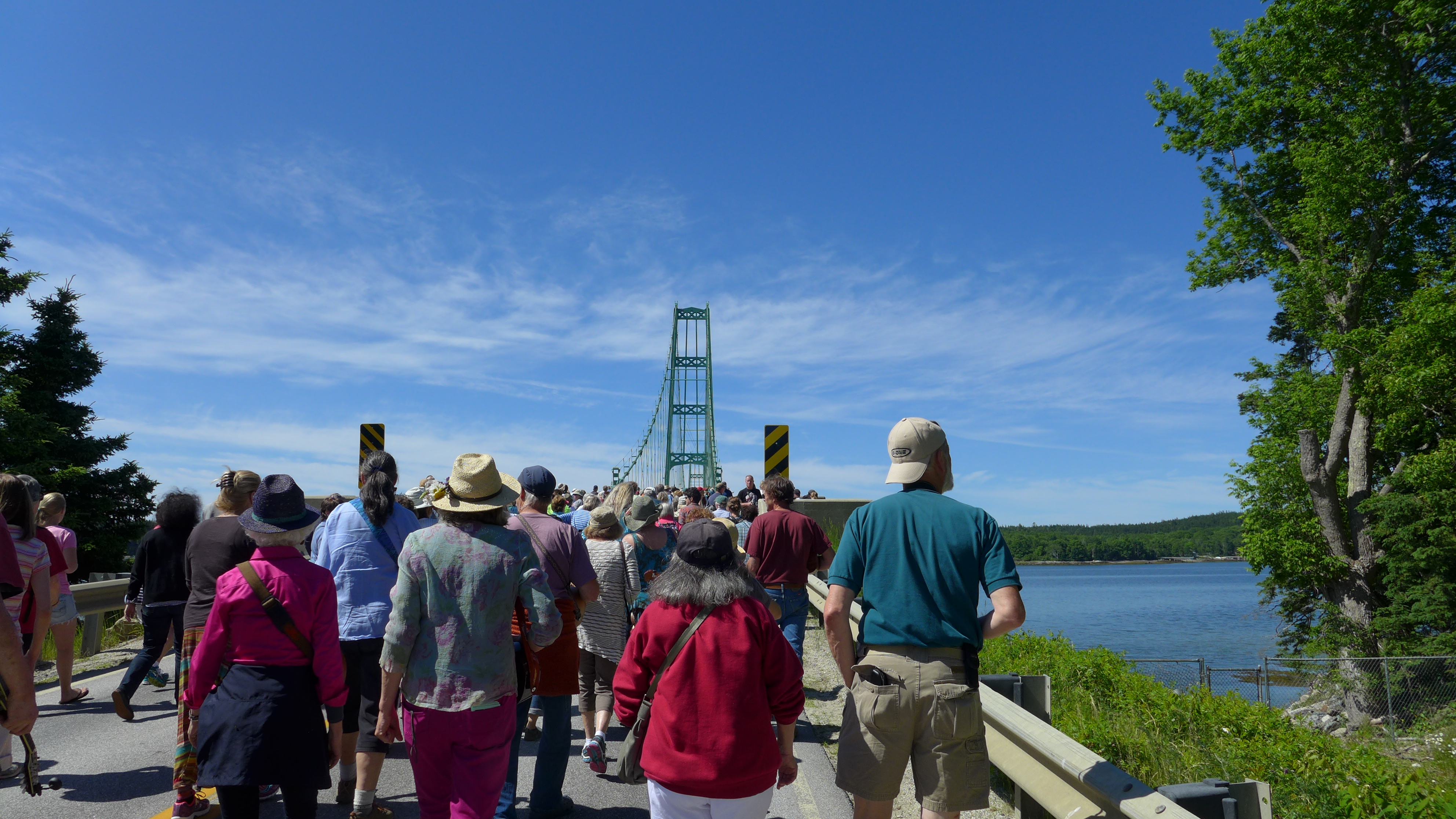
This June day is also a great day for a party. Deer Isle and Sedgwick celebrated the 75th anniversary of our “great green bridge” this morning by closing it for an hour, so people could walk across it. Led by a bagpipe and drums and including a mandolin orchestra, a great crowd walked across, while a sailboat circled below and a small plane flew overhead. A perfect June day.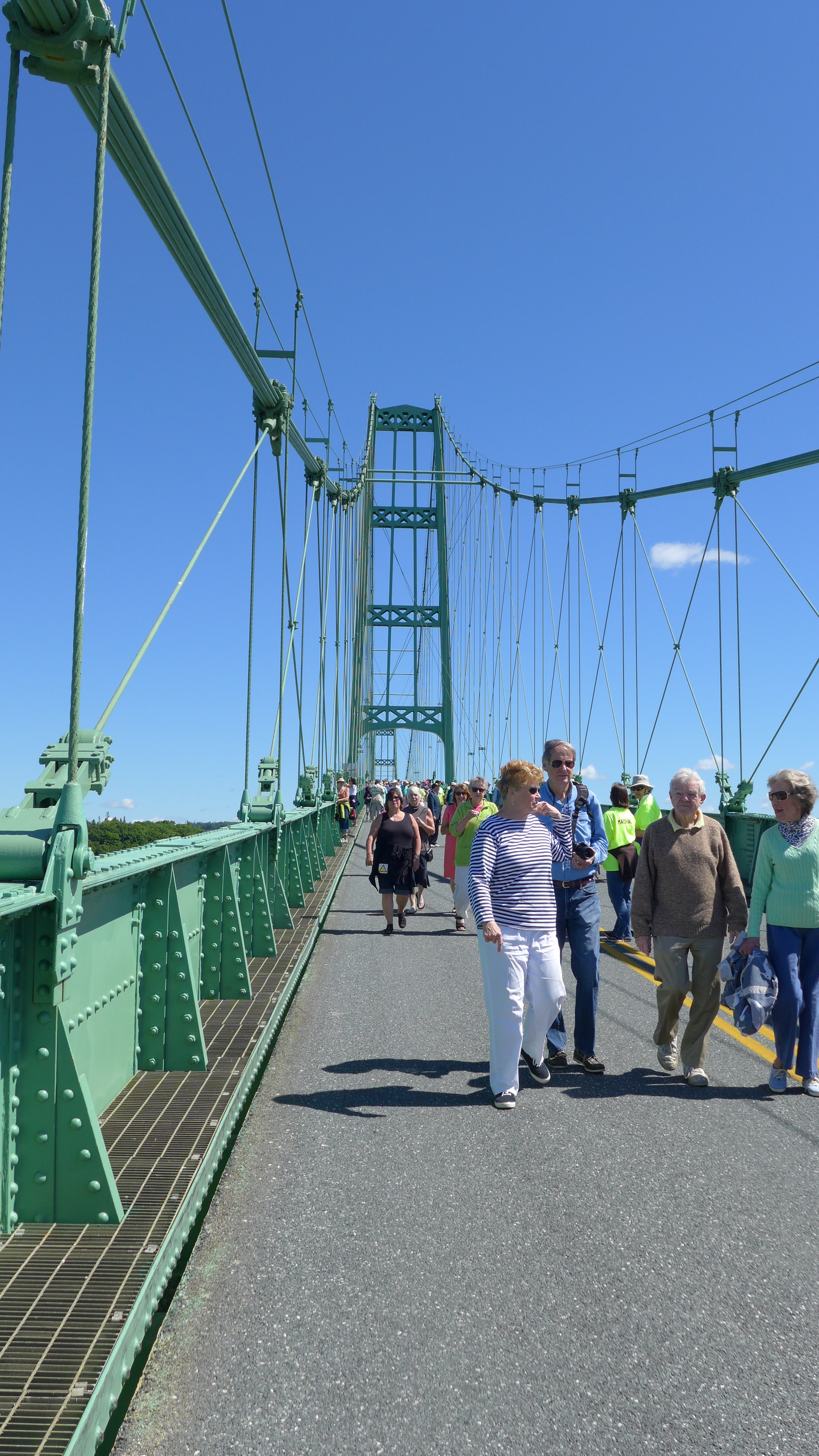
“Great green bridge” was our family’s name for this bridge, copied from a children’s book called “The Little Red Lighthouse and the Great Grey Bridge” which is about the George Washington Bridge connecting New York City and New Jersey. Does anyone else remember that book? It had, appropriately enough, a grey cover.
How Native Plants Behave
April 18, 2014
Uncategorized native plants, photos, poppies, spring, yucca 3 Comments
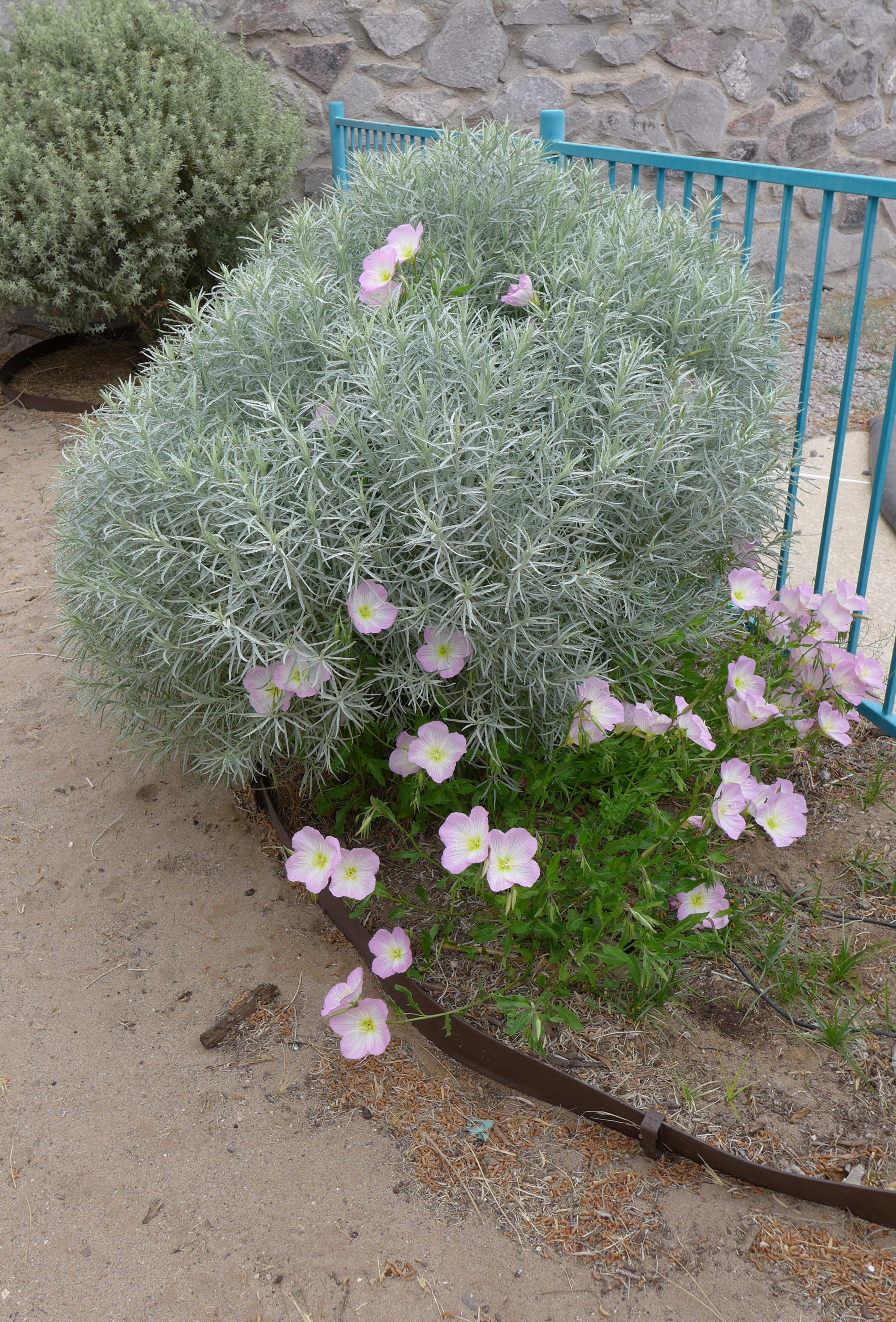 Several years ago I planted Mexican primrose. I thought I had killed it after a year. There was no sign of it the third year, nor the fourth. If I had known it could still come back, I would not have planted the chamisa bush quite where I did. But it turned out that this was just what the Mexican primrose wanted. Native plants do not need to be spaced. In fact, they are happier in each other’s shade. And the Mexican primrose sends its stems in all directions to take its flowers to the sun.
Other native plants have been active. Poppies come up where ever they choose. This one is sharing space with a plant I know as “wire lettuce.” It has a small pink flower, when it decides to bloom.
Yucca plants which spent years squeezed by a prickly pear cactus have taken advantage of the space in the course of the two years since the cactus collapsed in an unusually deep freeze.
The yucca is the state flower of New Mexico There are many varieties and the legislature neglected (or perhaps refused?) to specify which one is the official one.
Another Stage of Spring
April 7, 2014
Uncategorized flowers, native plants, photos, spring 1 Comment
The little mesquite tree in my backyard is leafing out. I’ve been told this tree knows when frost is no longer an issue. it is safe to plant out those tender plants now.  Of course I am not ready. The plants I started from seed two months ago are no where near large enough to transplant.
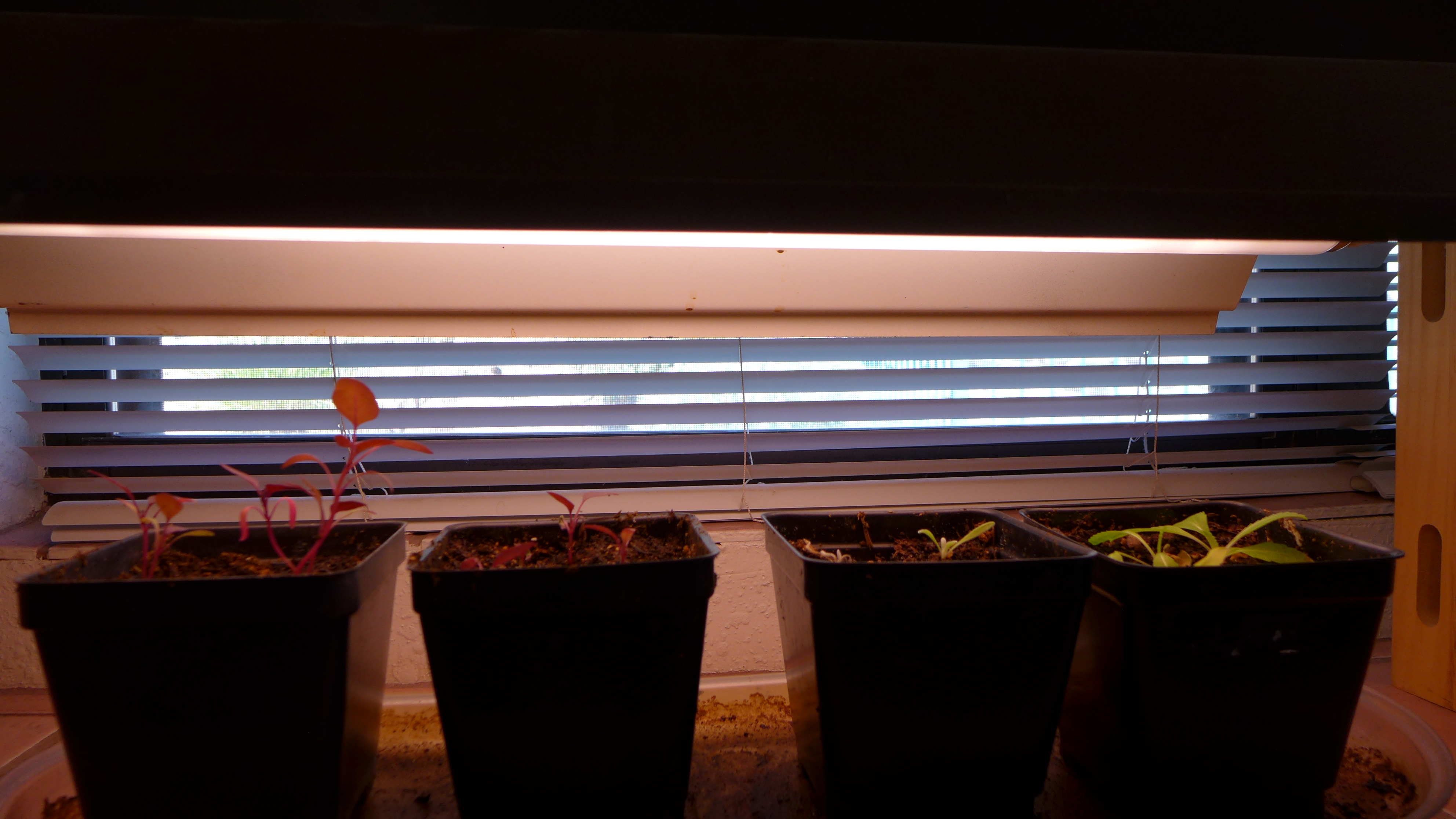 This mesquite tree is one of the triumphs of my uneven gardening career. I bought it eight years ago in a seven inch pot. I can no longer reach the top.
 Near the base of this tree I discovered a volunteer pansy. Very small – it had sprouted with almost no water. I was not expecting it there at all. Most of the seeds from plants blow across the yard in the opposite direction.
 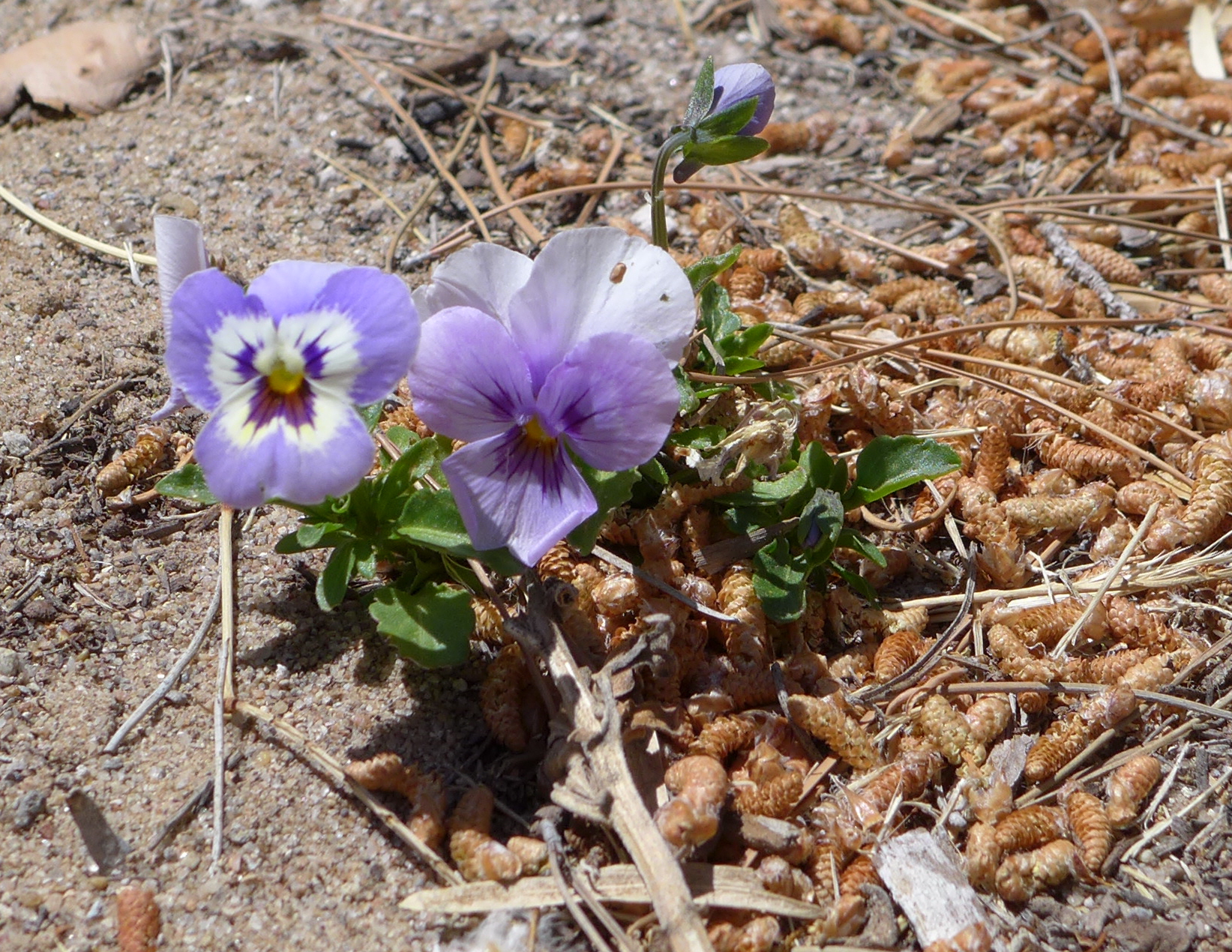 Now I need to make it feel welcome – even though it is in the middle of a patch of sand.
Goodbye to Winter
March 19, 2014
Uncategorized equinox, Pansies, photos 2 Comments
After I posted my photos of spring color (March 4) I realized that I had never photographed the flowers which have given me color all winter, a few in my yard and a few by my patio. As a way of celebrating the end of the season, I give thanks for the blue pansies. This batch I can see from my study window.

Pansies by the metal lily
I learned by trail and error that these traditional pansies are more cold hardy than the fancy varieties. There is a lovely frilled variety with “antique” in their name, but they are imposters. I will have some this spring because the ones that died in the cold a year ago left some seeds to sprout. But these blues have survived every year I’ve planted them.

Pansies by the patio
Happy Equinox to all. Enjoy the greater energy of longer days.
Spring Color
March 6, 2014
Uncategorized native plants, photos, spring 1 Comment
A week or so ago I realized it was time to bring my camera on my walks. There’s not much color in the desert, and probably won’t be until after the summer rains, but things are blooming in the neighborhood. Of course, I didn’t remember to take the camera immediately – the purpose of walking is exercise, after all. But a few days ago I caught up with what is happening.
Rosemary has been in bloom for some time.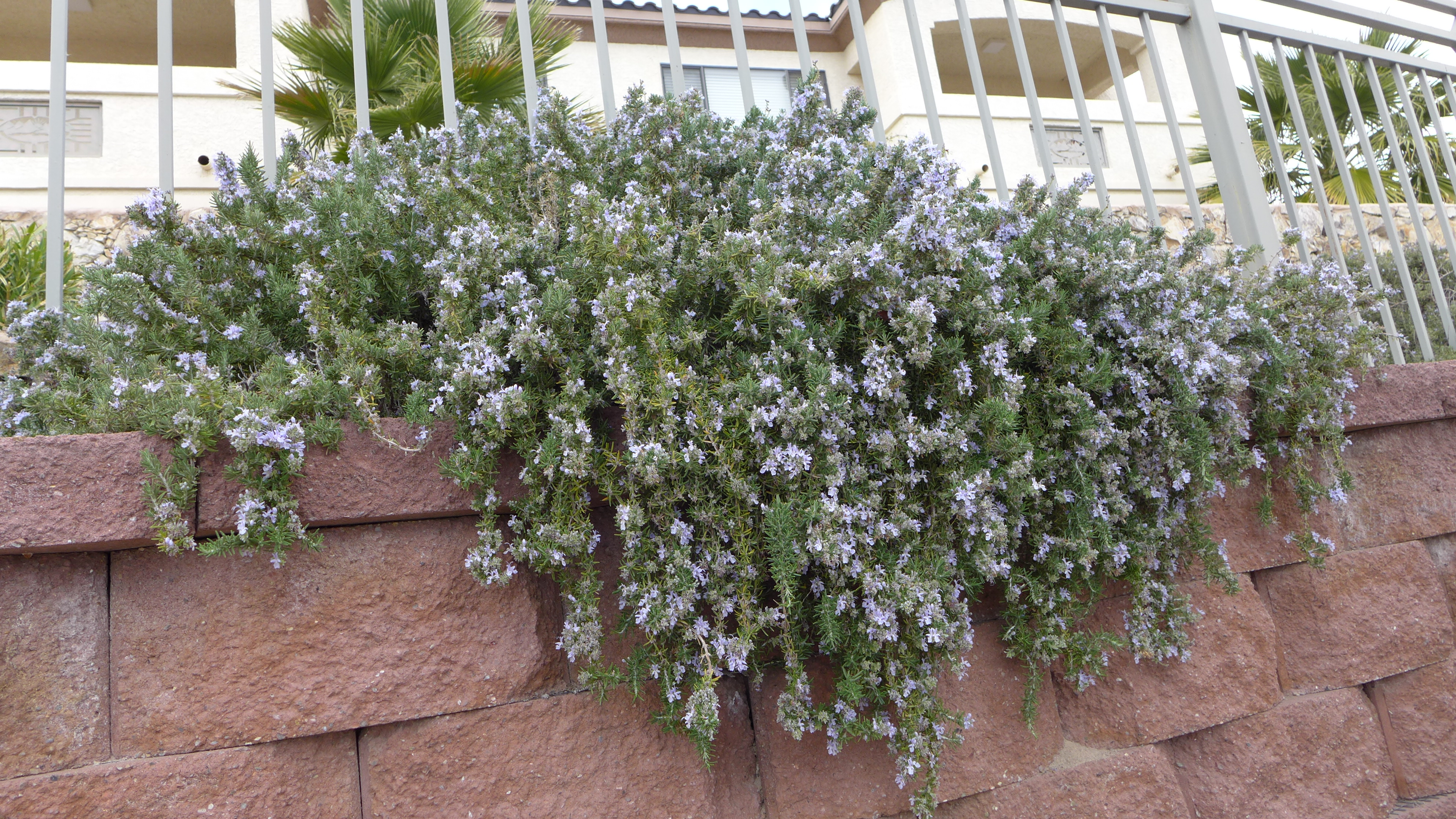
One of my neighbors has two young peach trees.
Another neighbor lets desert marigold grow between the sidewalk and the street.
On this walk I saw my first poppy. It’s time to watch for their feathery shoots in my yard. I don’t expect many because it has been so dry, but the seeds will be there for next year.
Just Another Sunrise
February 16, 2014
Uncategorized photos, sunrise 2 Comments

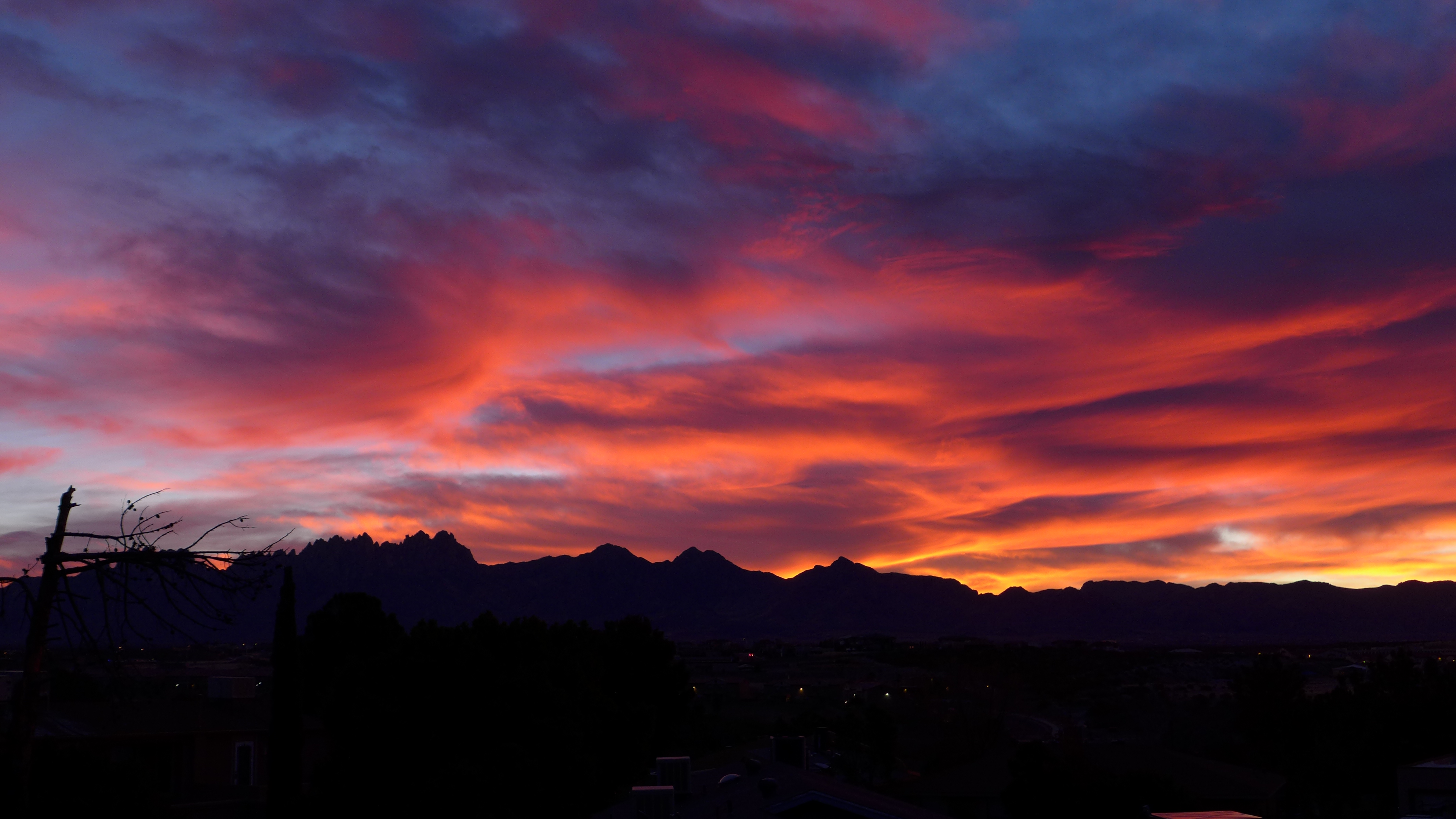
Of course there’s no such thing as “just another sunrise” since every one is different and largely indescribable. The colors in the sky make our color names seem like abstractions. This morning I was patient enough to get the sunrise at two moments. After this we had a warm and sunny morning.
 freethoughtandmetaphor