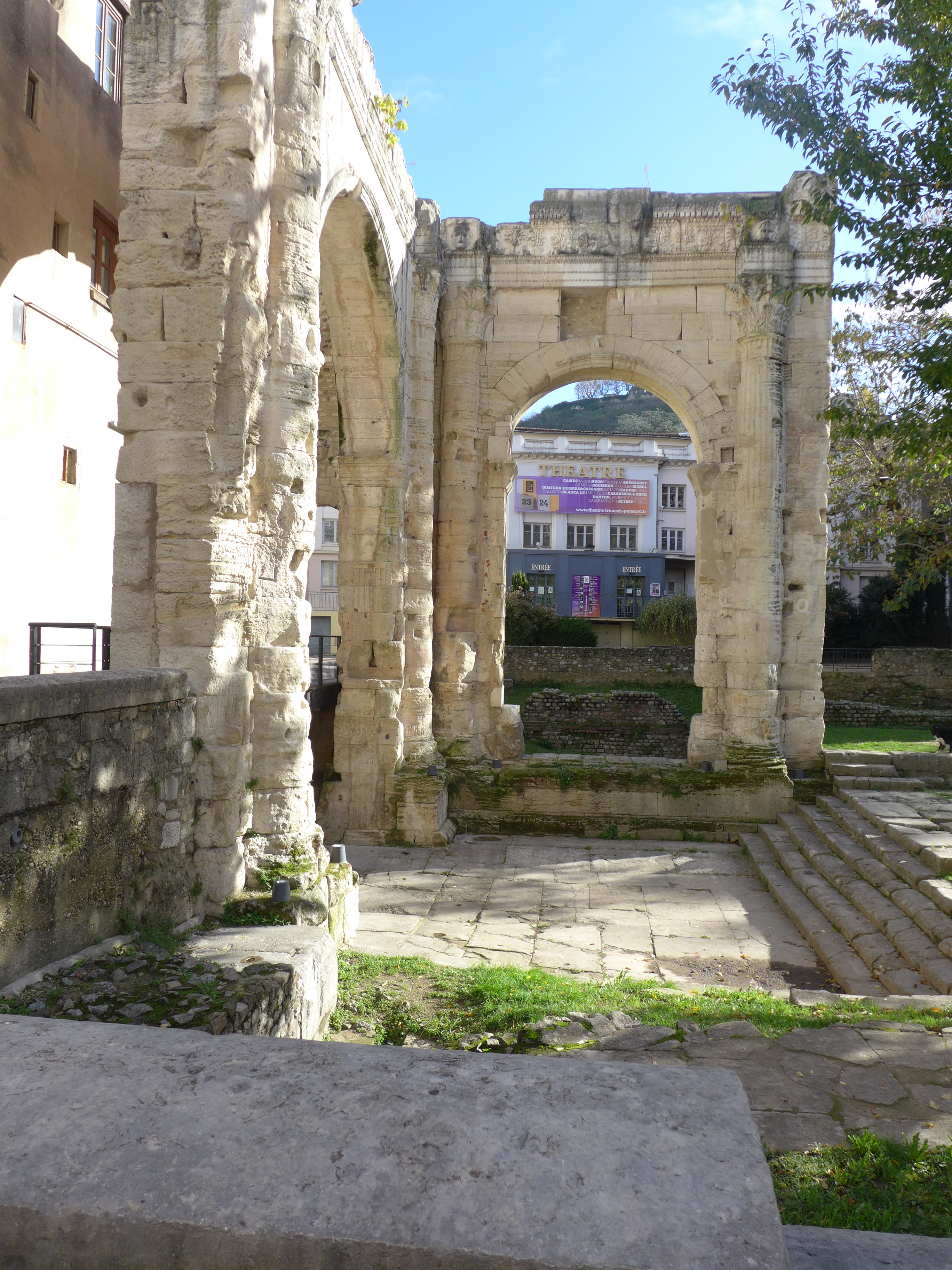
I was eager to visit Lyon because I had learned of its importance as a market town in the Middle Ages when I was studying the unicorn tapestries. It was good to see that monuments from its Roman history, when it was an important outpost of the empire, have also been preserved.
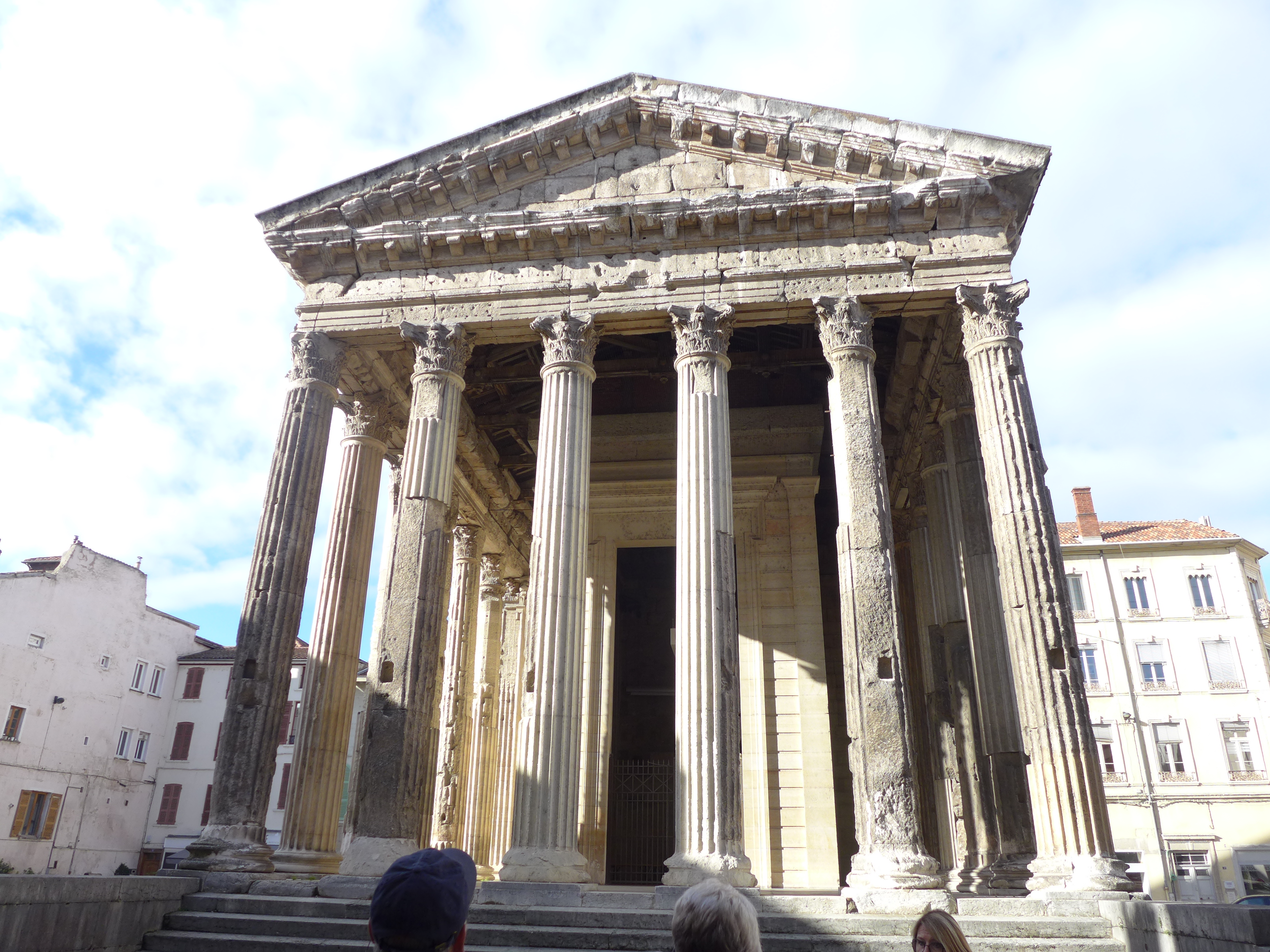
While the ship was docked in Lyon we also made a bus trip into Beaujolais country, visiting a winery, and enjoying samples of the wine. The harvest of course was long past.
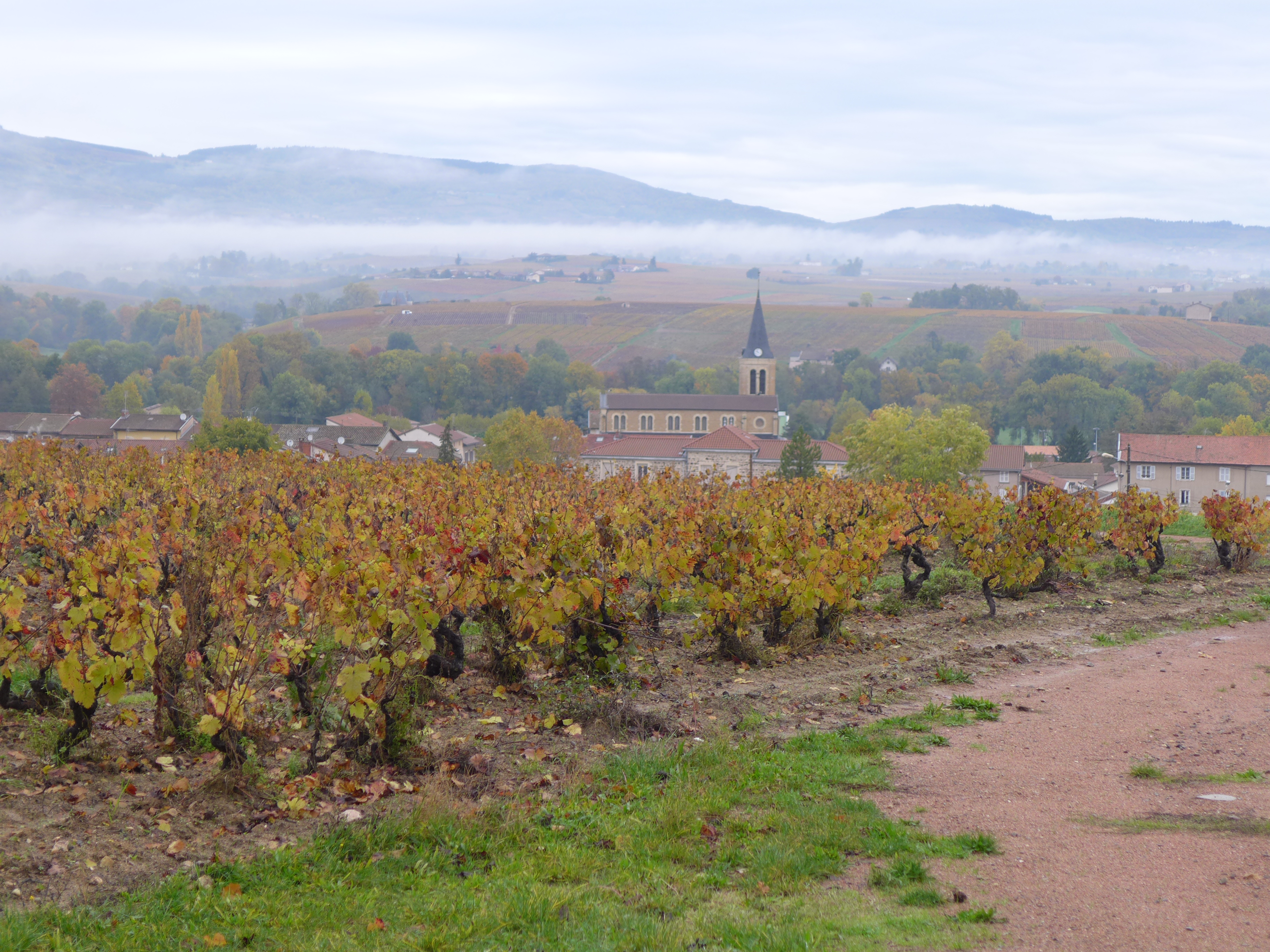
This was followed by a stop in the town of Beaujou. The inhabitants paid little attention to the tour buses. They were busy preparing for the opening of the year’s Beaujolais Nouveau. We visited on Tuesday; the opening day was to be Thursday, which in practice meant midnight Wednesday. People were hanging decorations across the main square.

The weather was wet. That seemed entirely right to me. It usually rained in November in the world where I grew up.



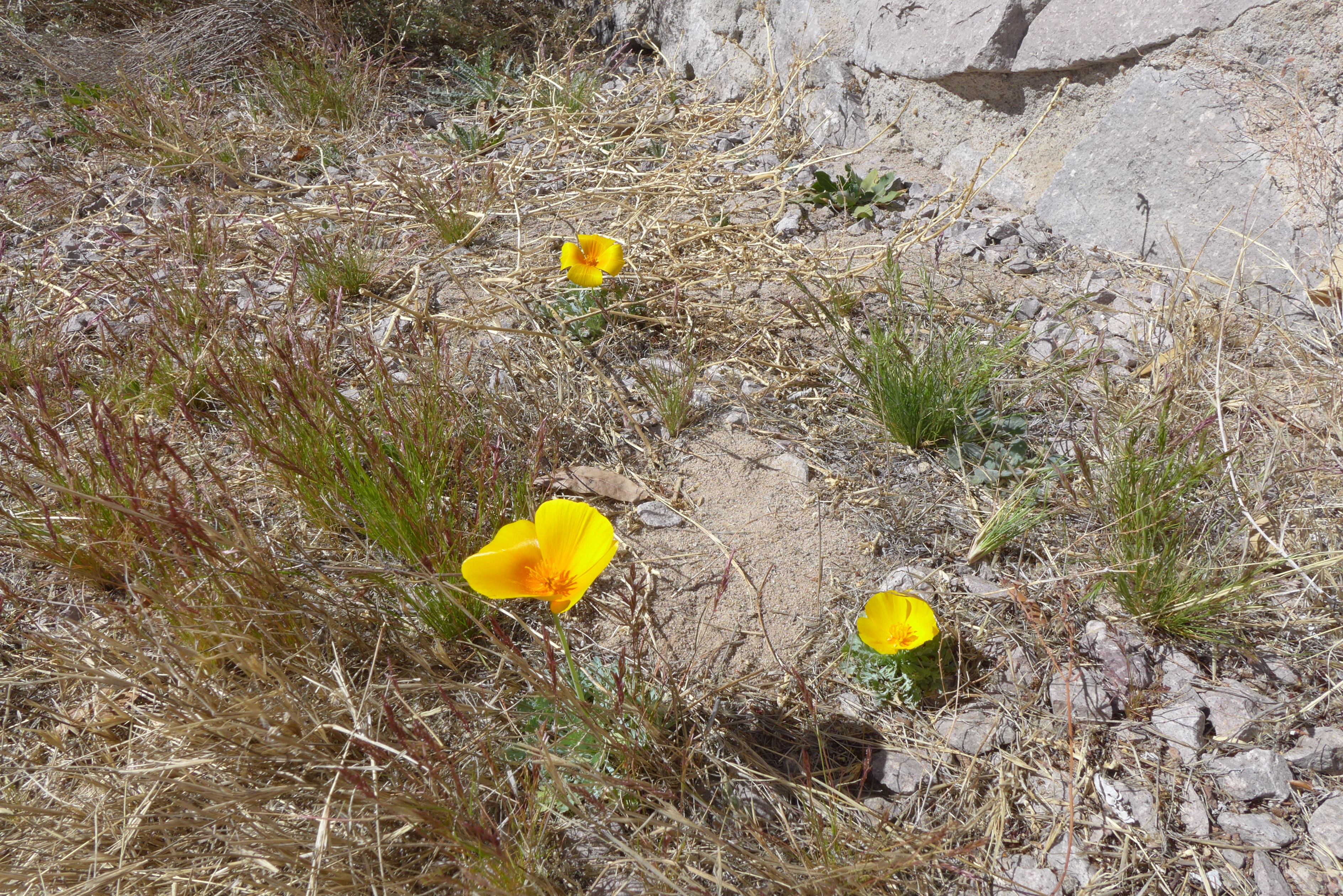
 I expect this area to have more poppies next year. The seeds have no place to go now that the plants have reached the wall.
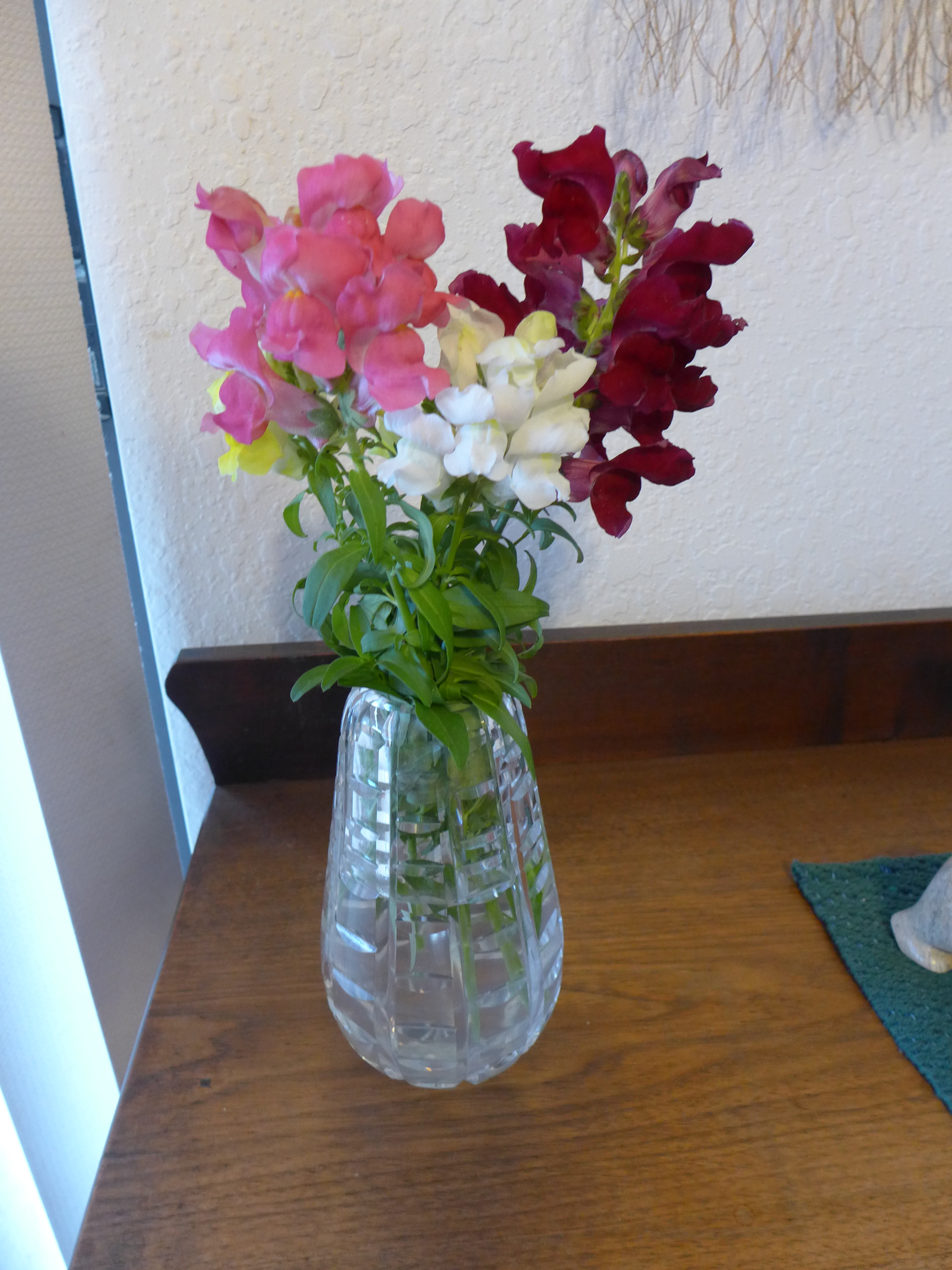
 This plant, whose name I cannot remember although I bought it, has dutifully bloomed all winter, but not so energetically as it is doing now.
 The apache plume has begun to come out. It’s named for its feathery seed heads, but the white flowers are much more visible.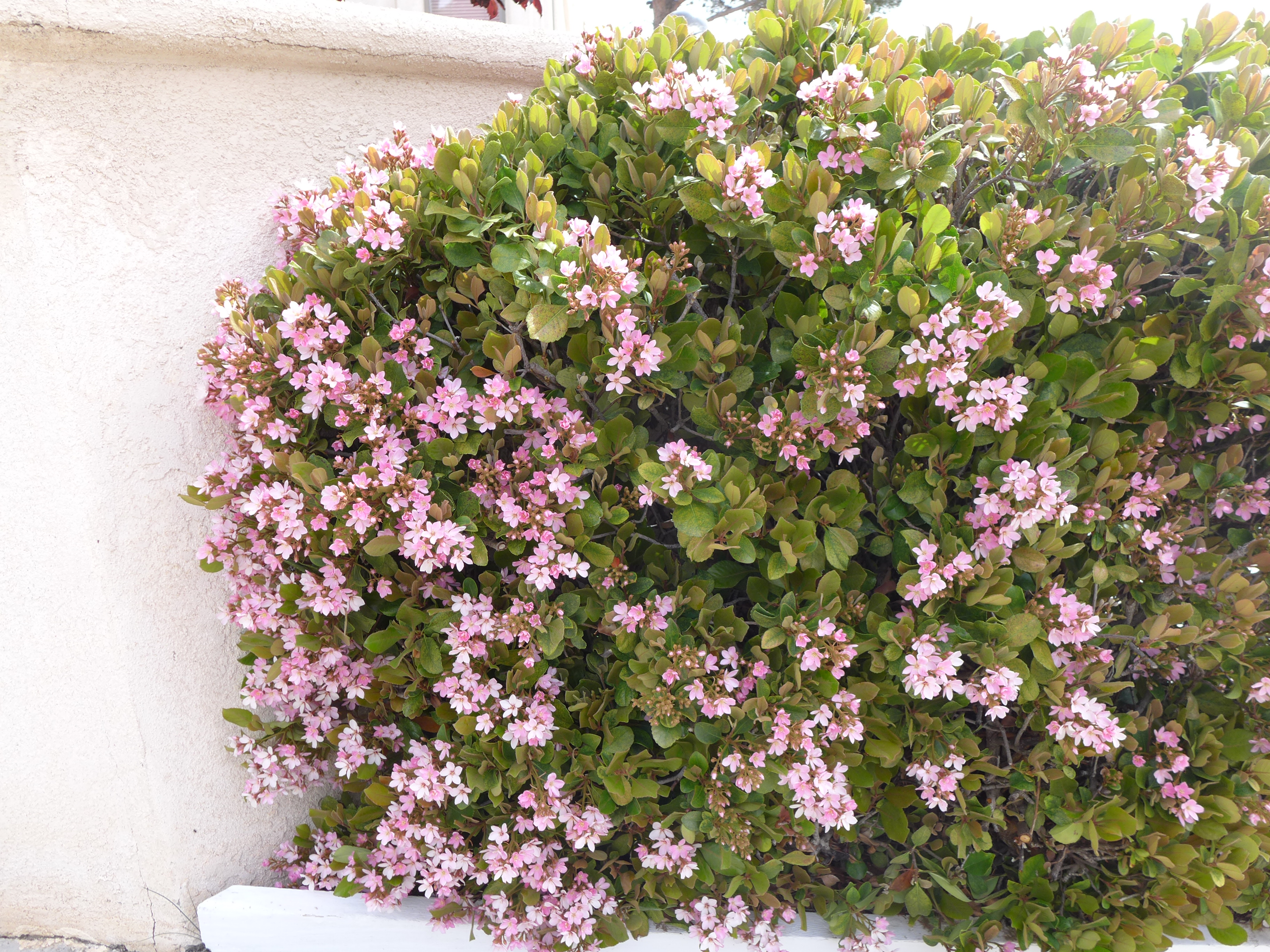



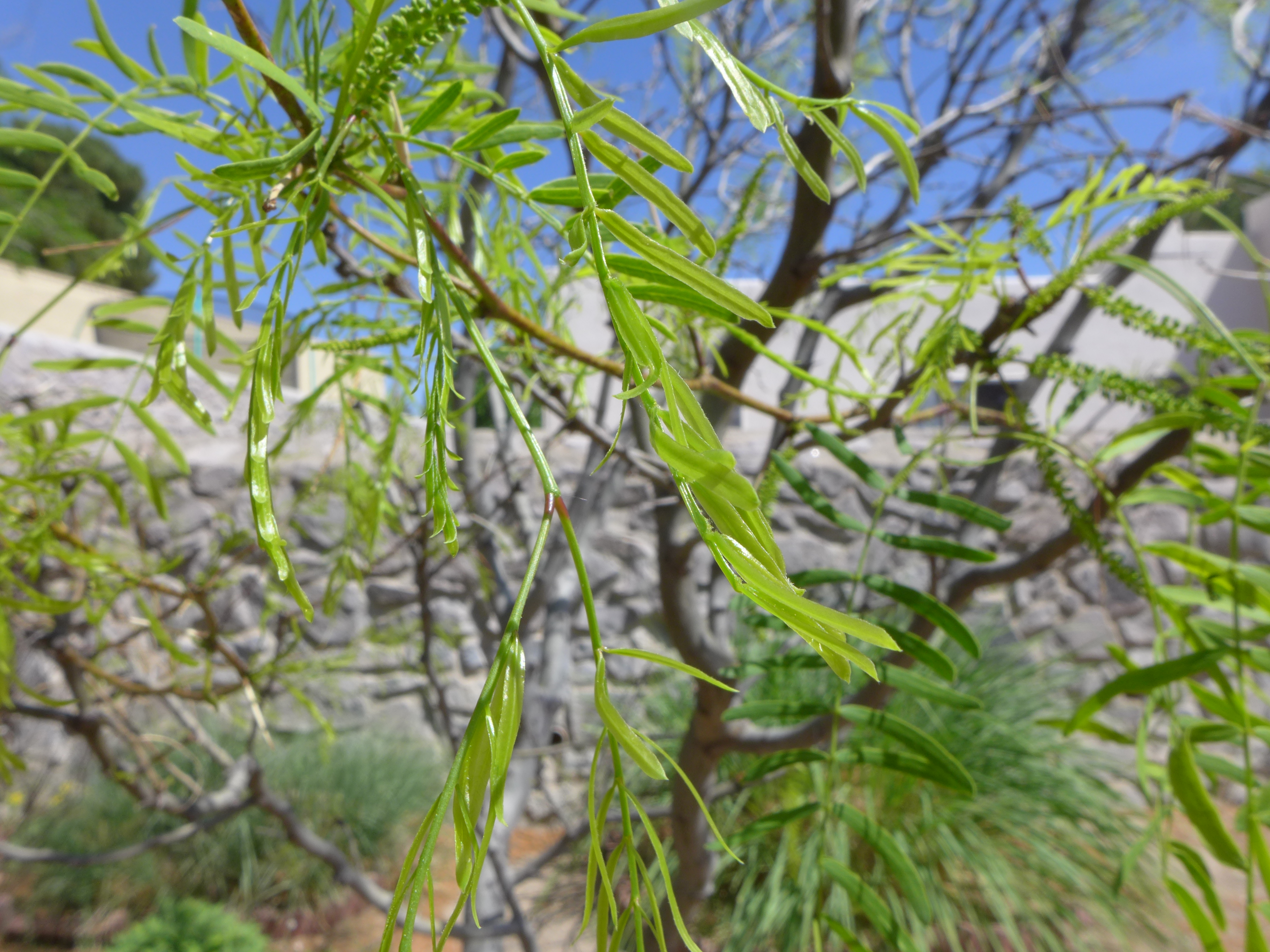
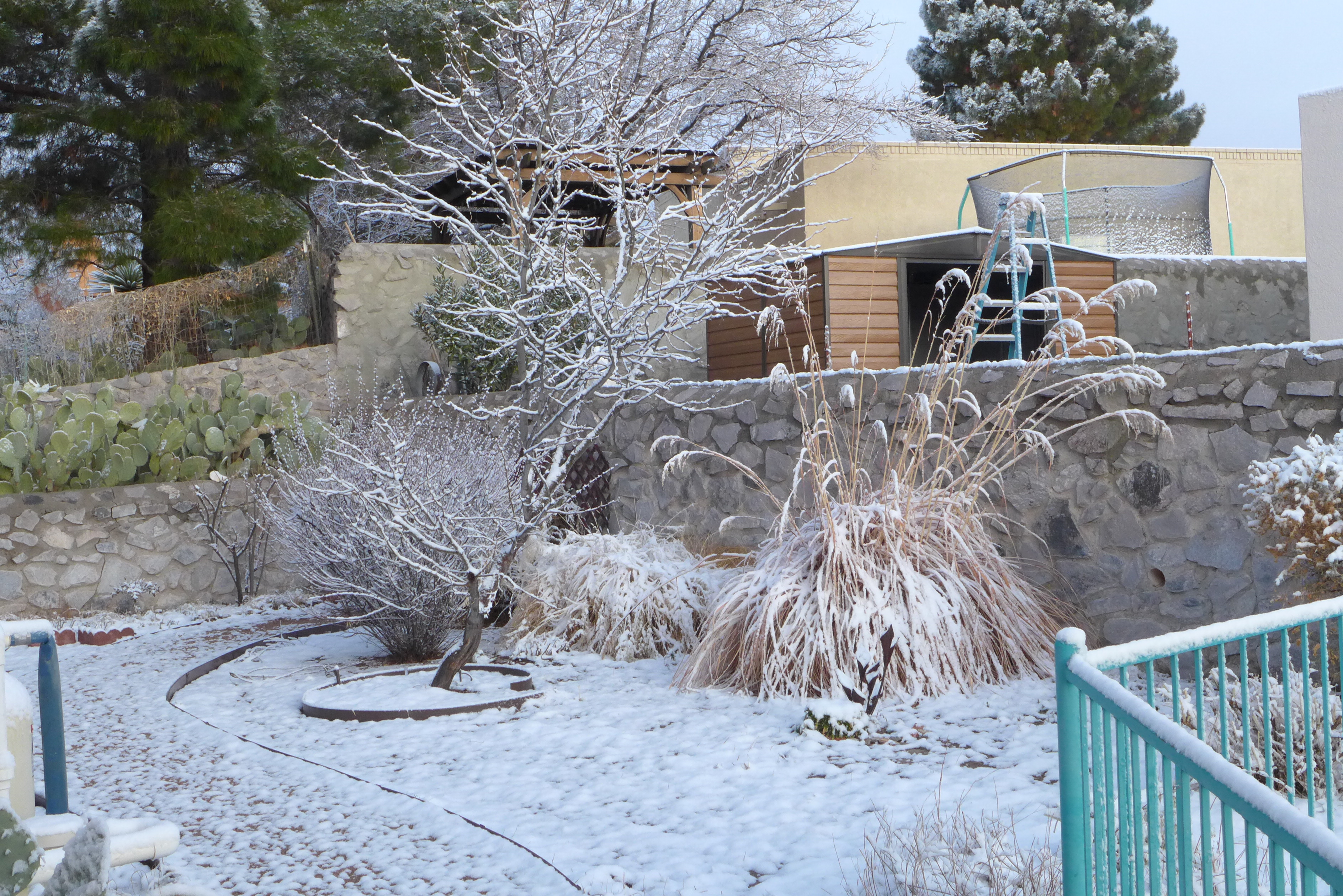 The first made a lovely covering, for the short time it lasted. Here is the view through my study window.


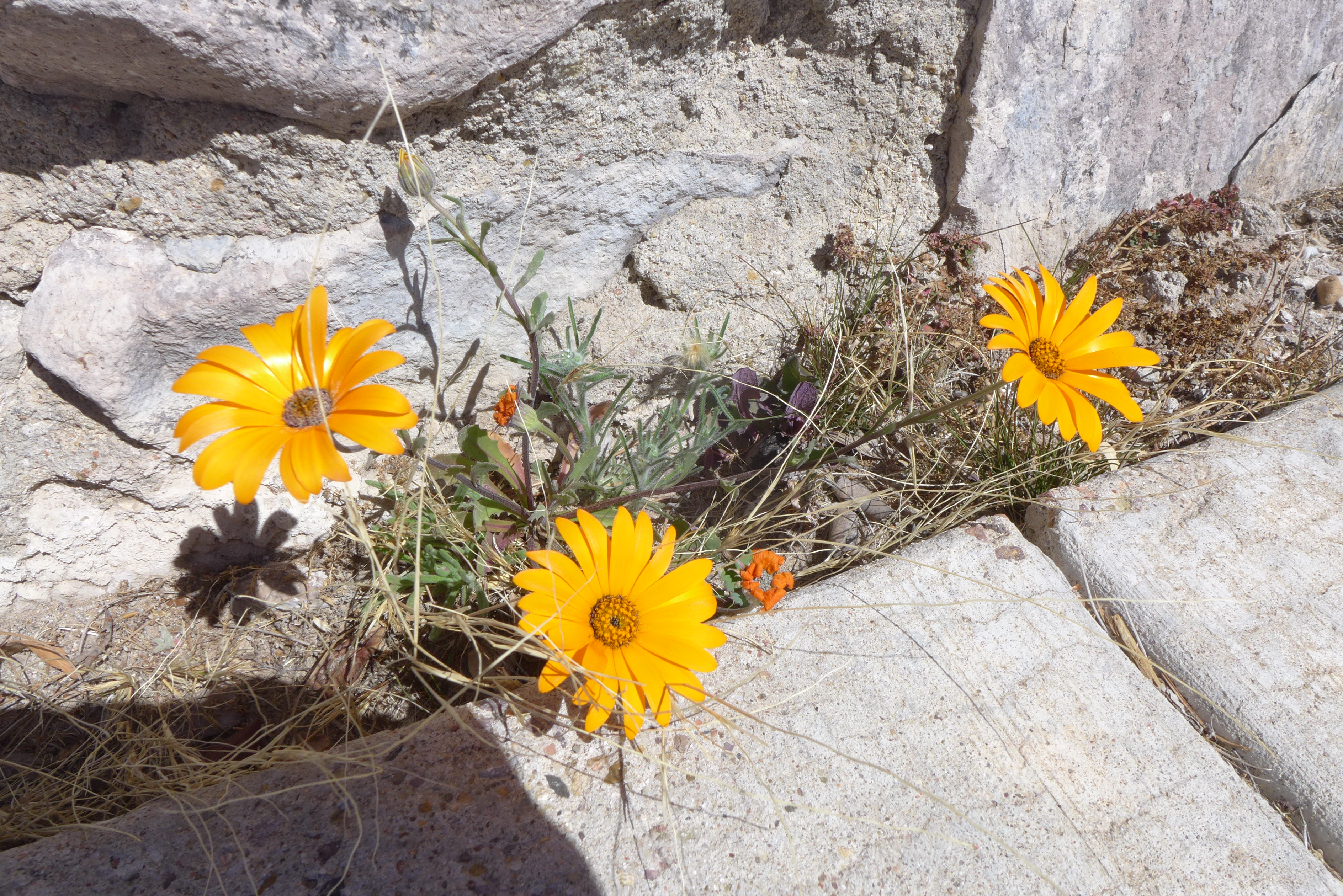
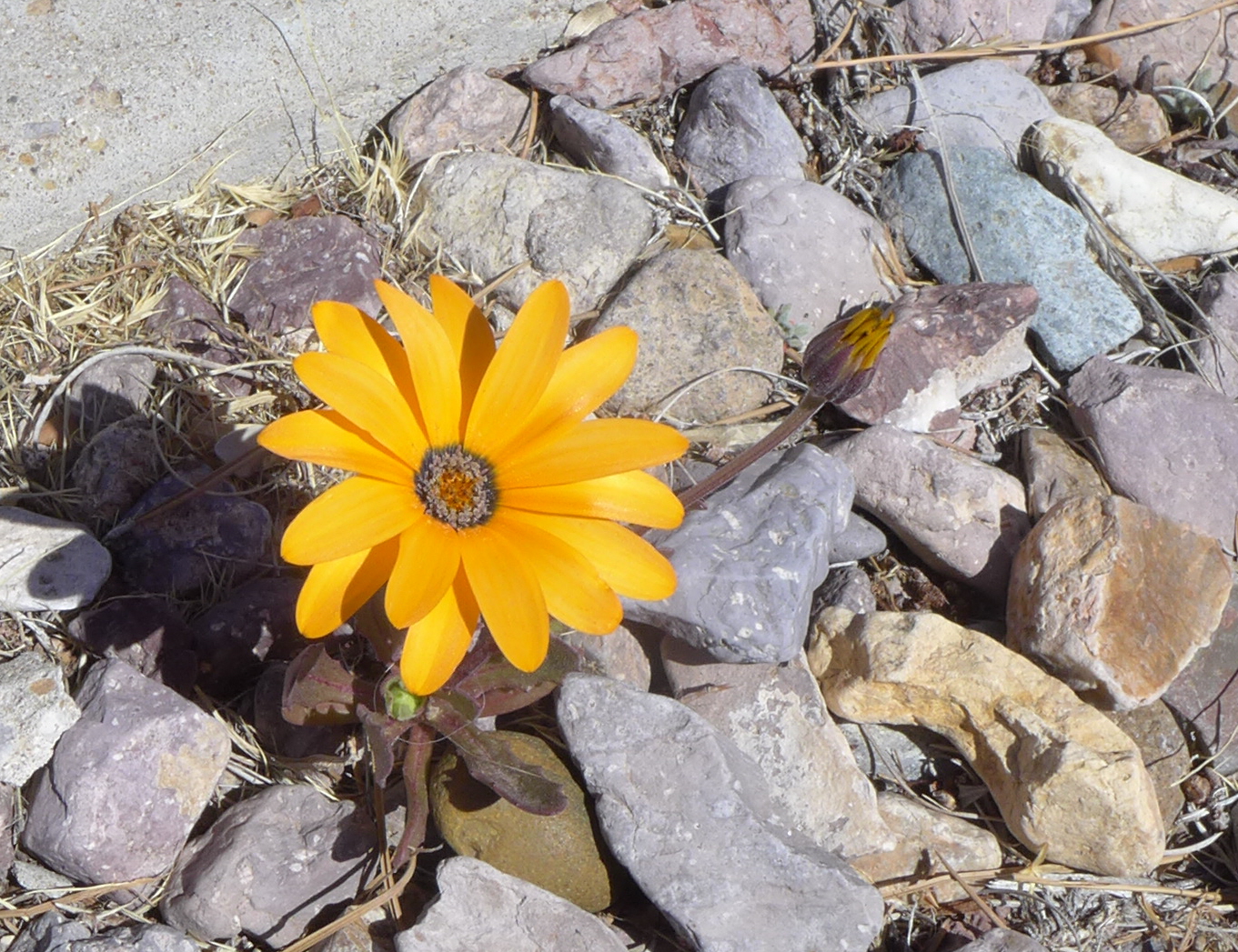 This spring I have one between sidewalk and wall, and two tiny ones between sidewalk and road. My next-door neighbor has a few in what used to be his lawn. The neighbor across the way has several. I’m waiting to see if he pulls them out. As I’ve noted before, I like volunteers and won’t pull these. But they won’t last long.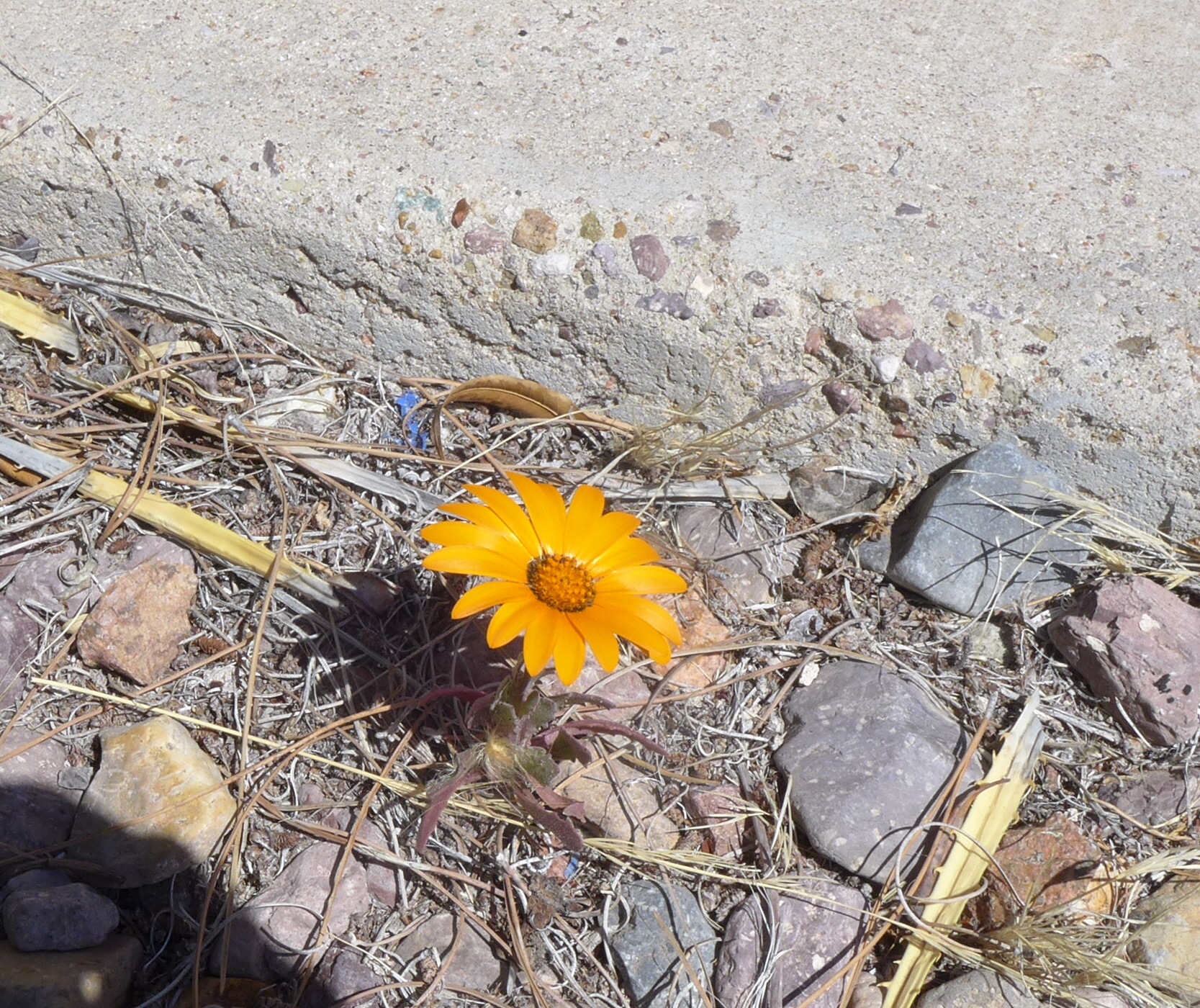
 Well, most people call it a weed, but I consider it a wildflower. It’s current popular name is velcro plant; it was formerly called stickleaf. If you pull it up you will find out why. It’s proper name is said to be Mentzelia. This particularly fine specimen is growing at the edge of our pool deck.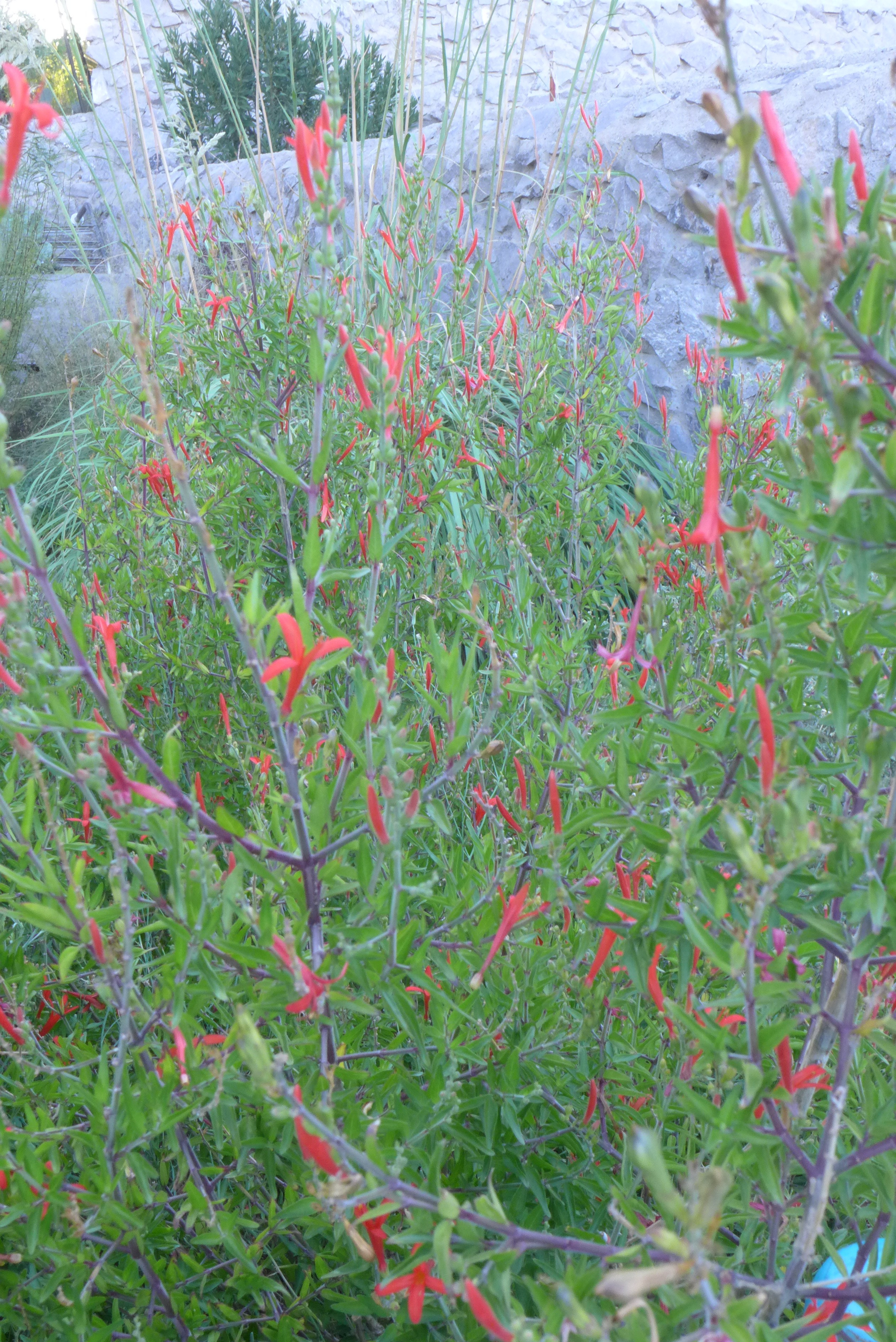
 What you see is the top half of the high wall that holds up the ground of the house behind us and a very little of the great mound of leaves which supports these feathery spikes of seed. In the mornings small birds land on the seed heads and weigh them down.
 Weaving the Terrain is a large collection edited by David Meischen and Scott Wiggerman. It contains 211 poems, by many poets—a minority of the contributors have supplied more than one poem. The subject matter ranges across the southwestern states and over many themes. There are plenty of roadrunners, vultures and coyotes, historical moments both familiar and lesser known, and a lot of sand. There are personal stories as well, events that “just happen” to take place in a southwestern locale.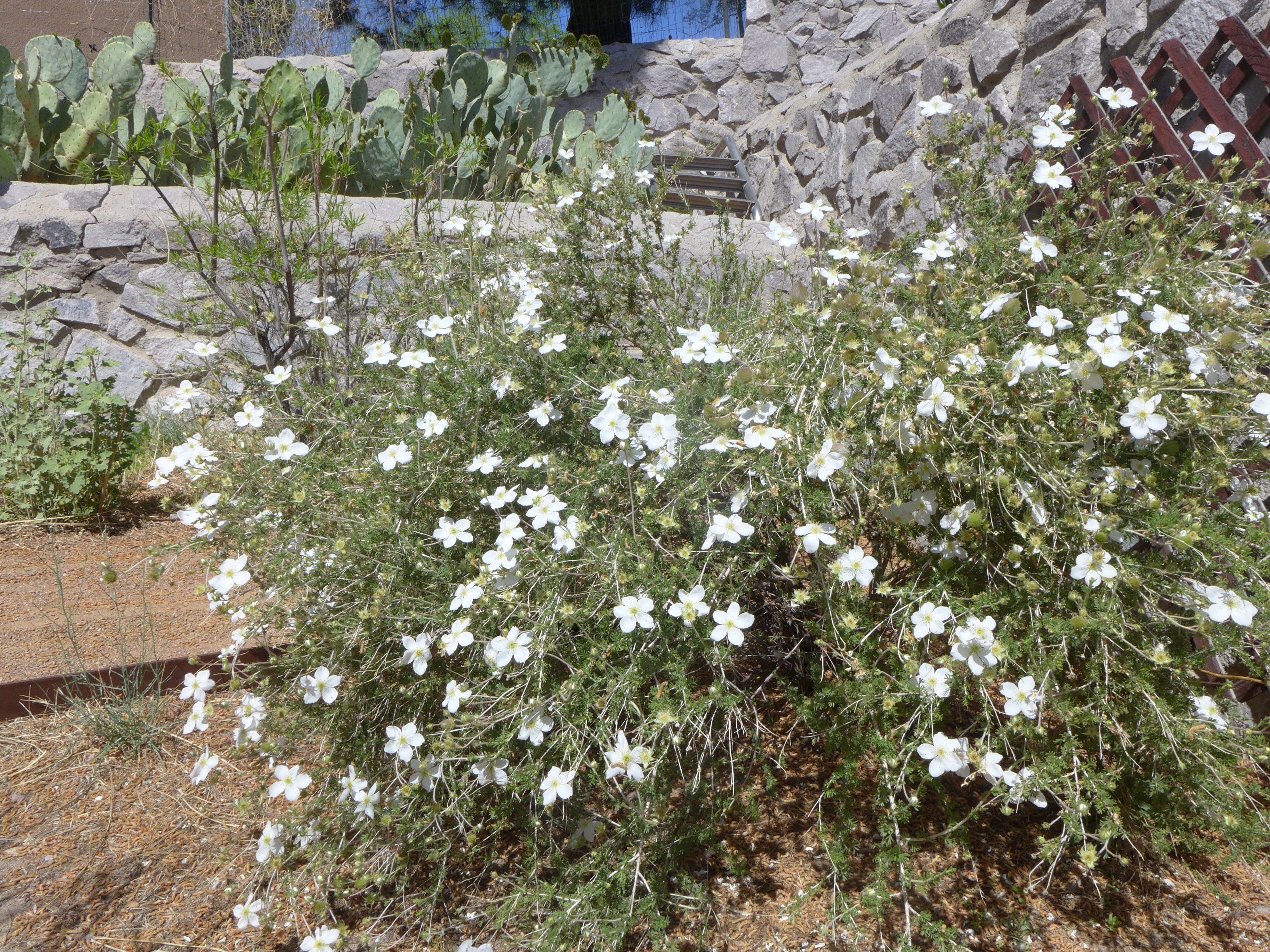

 freethoughtandmetaphor