Home

Recommendation: The Pleasures of Tanka

3 Comments

Tanka, as you may know, is a Japanese form slightly longer than haiku.  The traditional pattern calls for five lines, a total of 31 syllables, in the pattern 5, 7, 5, 7, 7.

If you’d like to learn about tanka, I recommend Janet Davis’s blog, twigs&stones, which I’ve just added to my blogroll:  http://www.twigsandstones-poems.blogspot.com/

Here are a few of my favorites among the tanka she has recently published on her blog.

One she offered for July 4: though I usually make my own potato salad, I can feel the embarrassment in the word “shriveling”.

the brimming bowl
of potato salad
she made at home
…..my tub of store-bought
…..shriveling beside it

red lights, Vol. 9, No. 2, June 2013

A more serious moment is described in this one:

railroad arms
rise up as I approach …
on the long drive
to the hospital
I hope for an “all clear”

—American Tanka, June 2013, Issue 22

The next one struck me because I have been working on a poem on a similar subject.  What she says in five lines is something I struggled to say in eighteen:

I trace them
clear back to Jamestown—
forebears
of the grandfather
I knew little about

—Simply Haiku, Winter 2009, Vol. 7, No. 4

You have no doubt noticed that none of these examples reach the number of 31 syllables.  As with haiku, tanka writers in English strive for greater conciseness.  As a beginner in this form, however, I am finding that the 31 syllable form is a good place to start.

Enjoy many more tanka at twigs&stones.

Half Way to Fall

2 Comments

It’s another cross-quarter day, the midpoint between the summer solstice and the fall equinox.  About this time I begin to notice the days are getting shorter, and there’s some logic to this, because of the sine wave nature of the changing sun patterns.  This means the changes are faster in the middle than at the peak and nadir of longest and shortest day.

This is the day commonly called Lammas.  it is the early harvest.  If you think it is too early to be harvesting grain, think corn.  We have been enjoying corn on the cob for a few weeks now.

Any harvest time is a thanksgiving time.  When we receive the bounty of the earth, we should give thanks, one way or another.  Here in the southwest we give thanks for the rain, which has come sooner and in greater abundance than for several years past.  Not enough to cancel the drought of course, but a pleasure all the same.  The plants too are showing their gratitude (to speak anthropomorphically) by putting out their flowers.  Here are two making a show in my yard this week.

Desert Globemallow

Desert Globemallow


The desert globemallow is a third generation plant from one I transplanted from the arroyo beyond our housing development.  The purple mat came with the house; it is hard to photograph because of its small size.  It takes many of the little purple flowers to make an impact.

Purple Mat

Purple Mat

My Forthcoming Book and William Paley’s Bridge

2 Comments

My collection of poems, Made and Remade, about William Paley’s book, Natural Theology, and the famous watch metaphor, has been accepted for publication by WordTech Editions.  In considering ideas for a cover, I came across a picture of a bridge, built in 1796, across the Wear River in Northern England.

Photo: Sunderland Public Libraries / Foter.com / CC BY-NC-SA

Photo: Sunderland Public Libraries / Foter.com / CC BY-NC-SA

William Paley used this bridge as an image for the structure of the ribs in the human body.  He wrote (in 1802):

The manner of it is this: the end of the rib is divided by a middle ridge into two surfaces . . . . Now this is the very contrivance which is employed in the famous iron bridge at my door at Bishop-Wearmouth . . .

The new bridge delighted William Paley as all mechanical devices and constructions did.  He found in many of them analogies to natural forms.

Though new and wonderful to Paley, the bridge has been replaced, but the image still serves to represent Paley’s fascinations and interests. Until a cover is created for Made and Remade (due out in 2014) this image will serve as an icon for the book.

The Way It Used to Be?

4 Comments

100_0892

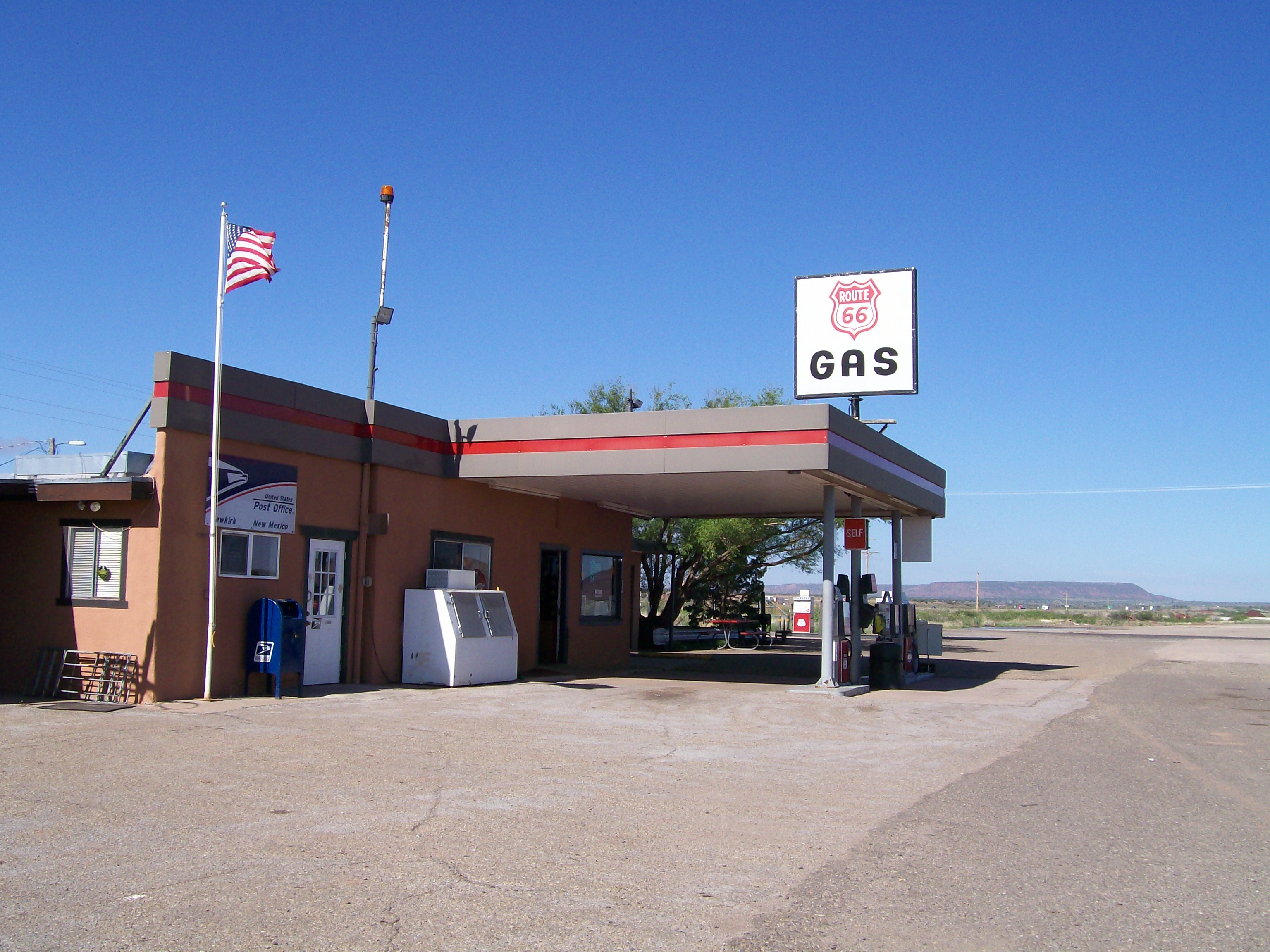
Sometimes the little guy wins.  Driving toward home on Interstate 40 we planned to stop at the Shell plus Dairy Queen between Tucumcari and Santa Rosa.  It had closed.  Our next opportunity, ten miles down the road, was this little gas station.  That white door on this side of it is the post office of Newkirk, New Mexico, a town which scarcely exists since the Interstate came through.   The market at this gas station had regular coffee with dry creamer.  No cappuccino machine?  How quickly we grow accustomed to our travel patterns.  But they did have small bottles of milk so we could skip the dry creamer.

For all its tiny size and old-fashioned look, this gas station has been redone, perhaps more recently than the road.  Route 66 is only to be found in sections, where the Interstate didn’t cover it up.  Back when I came through New Mexico with my parents, it was the main road.

100_0893

These pictures are uncropped because for me part of the delight of New Mexico is the expanse of sky.  How is it different from the Midwest?  Perhaps it’s the dryness that makes it sharper.  Perhaps it is just that it is home.

ABC’s FOR MY LIFE: A REBLOG

Leave a comment

This is an alphabet that seems to me full of good suggestions.  Pick one to ponder.

hitandrun1964's avatarRethinking Life

Art is a way of seeing  Believe in yourself  Cats are purrfect  Do something you love everyday  Eat without guilt or fear  Feel good about yourself  Go out and enjoy life  Hug those you love  Ice in drinks makes them taste better Just take life one minute at a time  Know that some questions don’t have answers  Love doesn’t mean the same thing to everyone  Money isn’t the root of all evil–people are  Never trust those in power  Only you know and understand your personal truth  Put fun into your life  Quite taking things so seriously  Realize that you are one-of-a-kind  Stop wishing that things were different than they are  Take time…

View original post 42 more words

Maine Woods

3 Comments

woods early

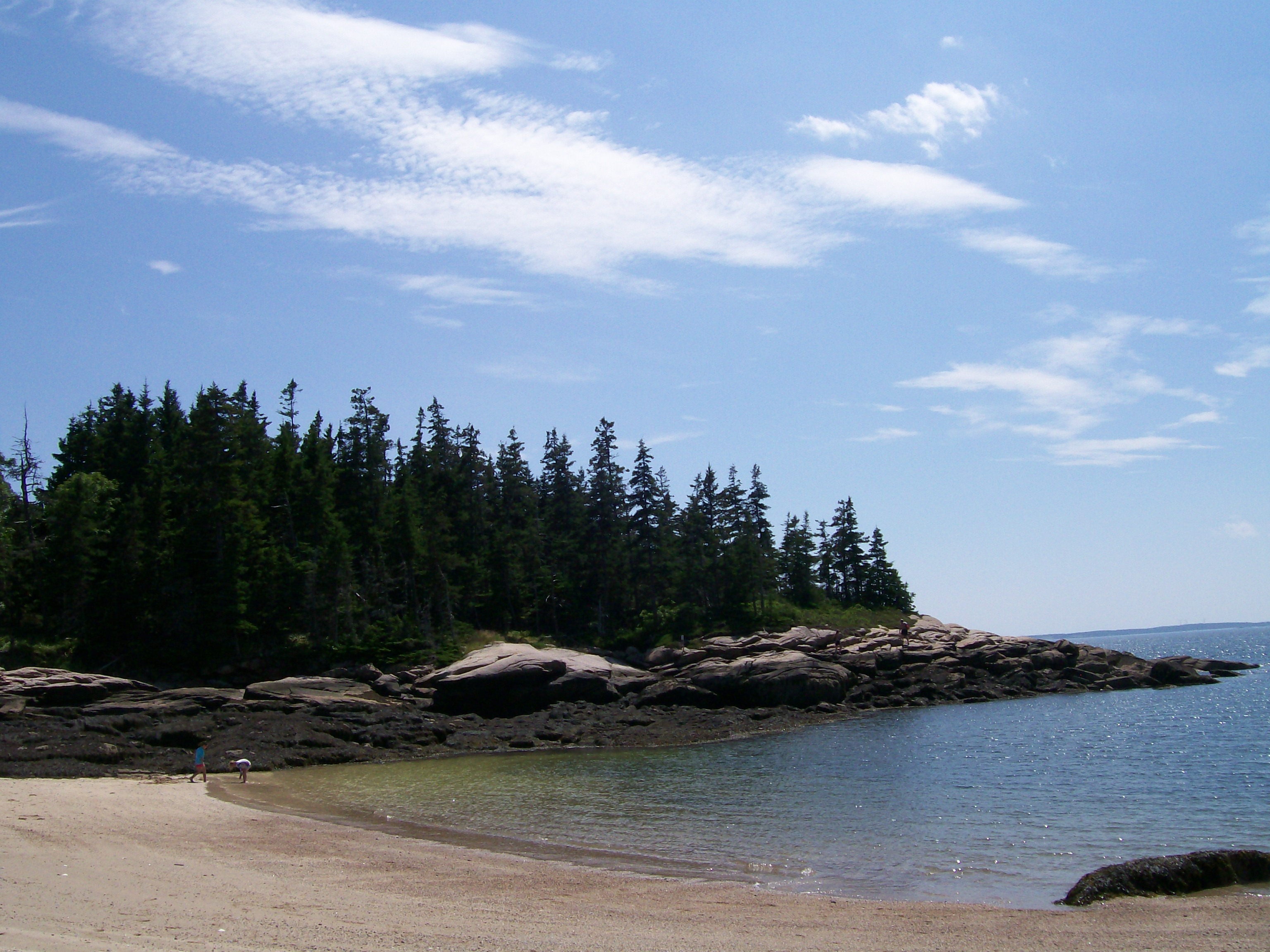
A few pictures from a hike I took recently through woods toward a beach.  It was a warm day, good to be walking among the trees, in and out of the sun.

path 2

The path was often exposed roots.  Apparently trees don’t mind being crowded.

barred island

The destination was this bar formed by low tide.  It is a real beach, and a popular one, though that doesn’t show here.  Two children were building sand castles at the far side; other people were set up with awnings and towels.  A lot to carry in for a mile, I thought.  I soon returned to the shade of the woods.

woods return

Recommendation: Poet Diane Kistner

1 Comment

I received “Falling in Caves” by Diane Kistner through Goodreads.  It is a selection from poems she wrote many years ago.  It is a great pleasure to read. The poems are very musical, often songlike, though the material is mostly serious and even grim (in one case, “Father and Son,” I want to spell that Grimm).  As I tried to pinpoint what I like about the style I realized that what makes these poems musical are the very things I have been repeatedly instructed by friends in workshops to avoid: repetition, phrases with of and the, little words like and.  These poems show what skill can do with material that less experienced poets are leery of, and chastise each other for using.  An example of this is the opening of “Shell”:

After the bell,
the fading bell,
last bell to be heard,
he walks the dark beaches,
far from the vain, curled alleys,
far from the world’s grave sanity.

Among the twenty two poems in this small collection, I particularly like “Ten Vain Attempts” (to get rid of anger) and the title poem.  “Falling in Caves” starts with a child’s fall while running, moves to the cave as a discovery of the past, and ends with:

There in the cave’s jaws
the first wheels started turning my head around.
They are turning still, down root-deep inside me,
meshing time’s slow, certain teeth.
We are falling into forever,
and there’s nothing to keep it from us.

My favorite of these poems is “The Walls”:

Four years old
with colored crayons,
you have discovered the walls.
Not old enough yet to know better,
you have covered the white expanse
of your boundaries
with castles and kings and queens
from your Mother Goose book.
You have walked
in your own enchanted forest.
You have flown bright flags
against a sky of dreams.
You have skipped down to a sea
of fishes, walked upon the beach,
built castles of sand
and danced
and laughed
when the waves
washed your castles away.
Crayon in hand
and queen of your land,
you believe
you can always make more.
When I spank you,
you cry you hate me
and stare with those dark yet
not yet extinguished eyes.
I wash and wash at your pictures
with soap and rags, trying
to make the walls dull
and white again.
How long will it be
before you stop fighting me,
I who am grown up
and see all colors at once,
undone, whirled into oneness?
How long will it be
before you accept the walls?

And I want to say to the child “Don’t accept the walls!” though I know we have to.  This poem takes its time to describe a familiar subject, both the literal four year old and the one inside each of us, and I enjoy every moment of it.

“Falling in Caves” is published by FutureCycle Press: http://www.futurecycle.org/PressTitles.aspx.    Another book in their catalog which is well worth your time and money is “Mosslight” by Kimberley Pittman-Schulz.  Both of these authors turn keen observations into music.  I found Kistner’s “Falling in Caves” the more satisfying, but both books suggest FutureCycle Press is a good source for finding poetry by good poets you might not have heard of before.

Maine Flowers

2 Comments

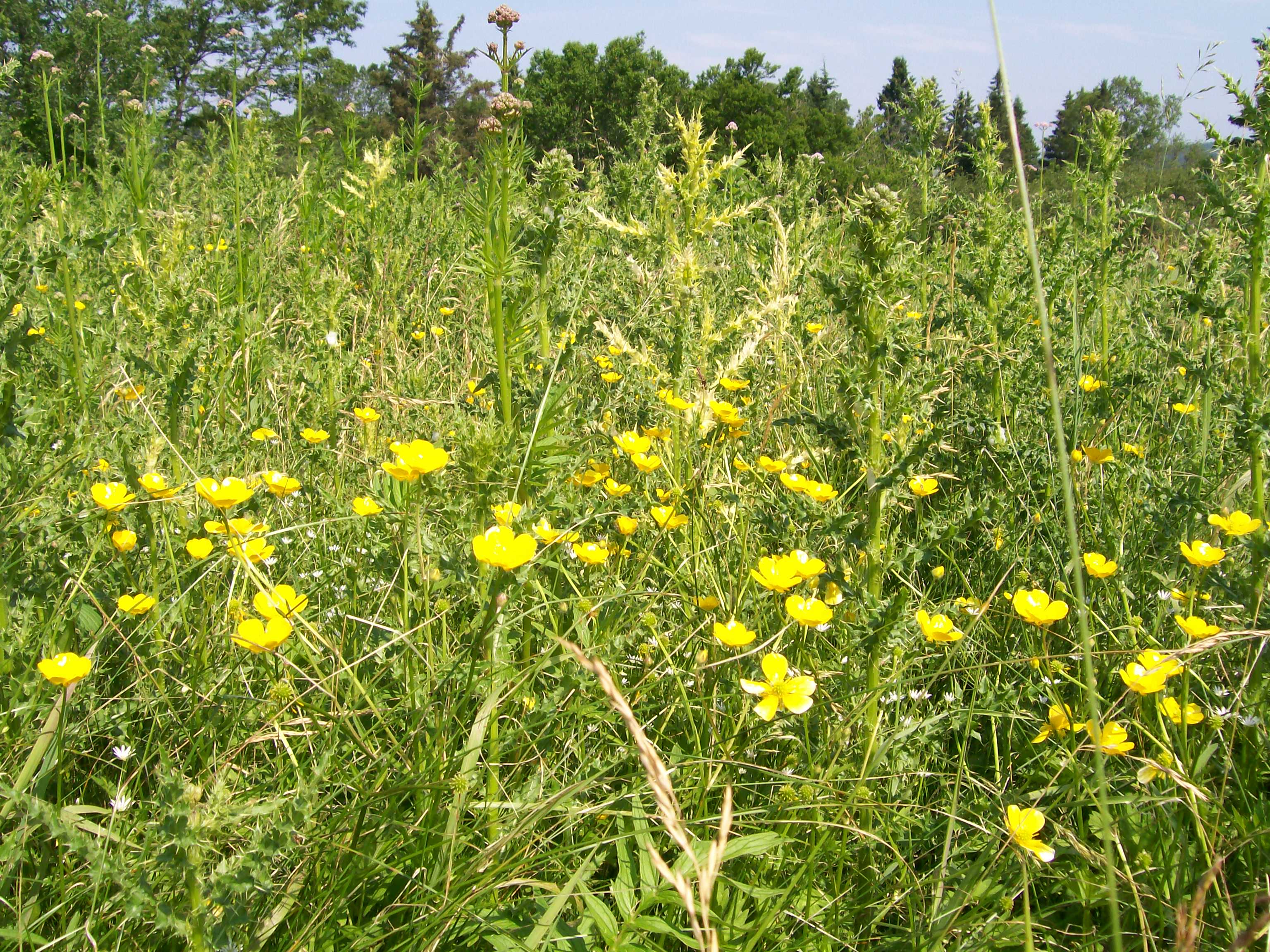
Buttercups

Buttercups

I visited a site which has human as well as natural history.  There was a store, a dock, a farmhouse, even an Indian shell mound.

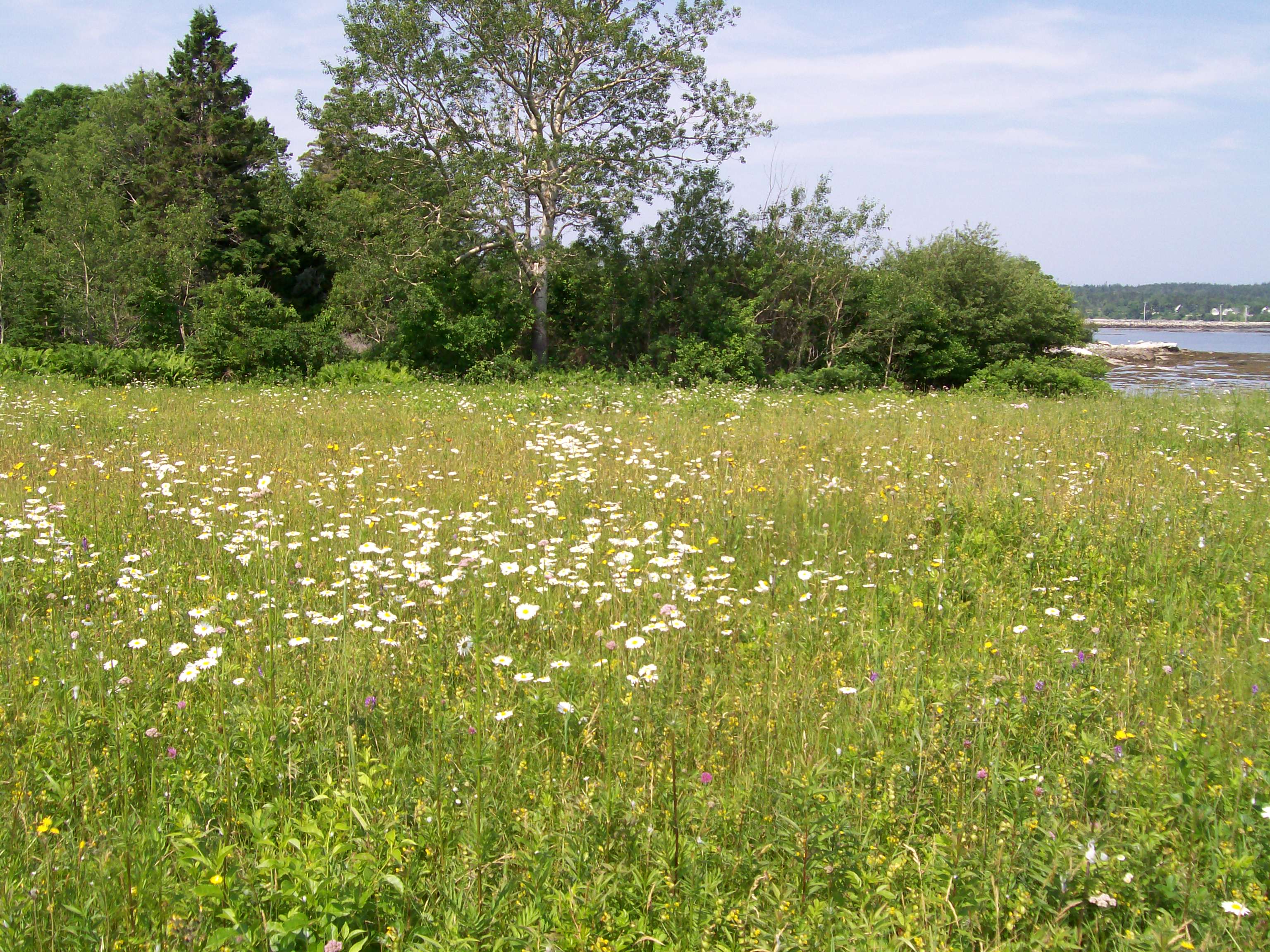
Daisies

Daisies

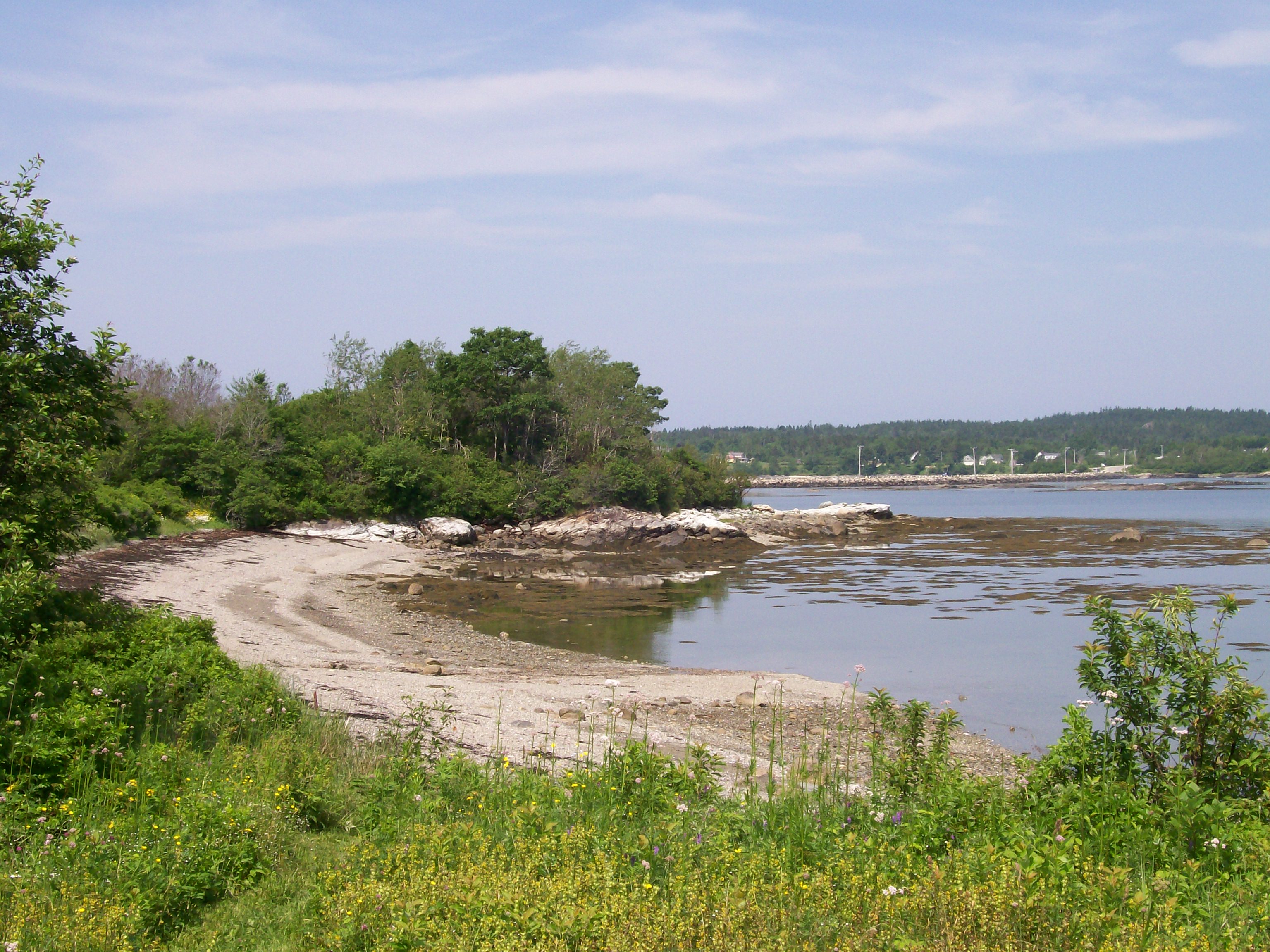
Now there is a beach and a meadow.  The native growth has covered all the foundations.

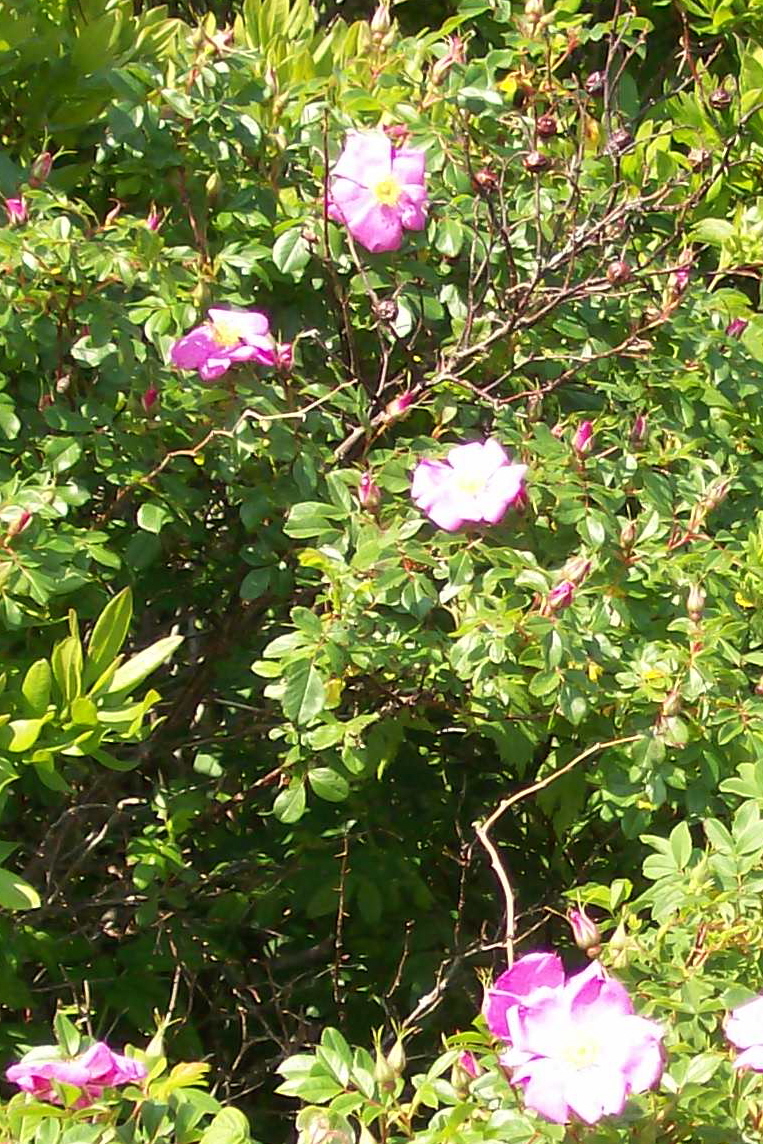
Wild Rose

Wild Rose

That brown area beside the top rose is a stalk with rose hips from last year’s roses.  I once imagined myself as the kind of person who would collect rose hips to make my own tea.  This meadow and its history brought to mind settlers and those who live off what nature provides.

beach

The beach by the meadow


Maine Rocks

1 Comment

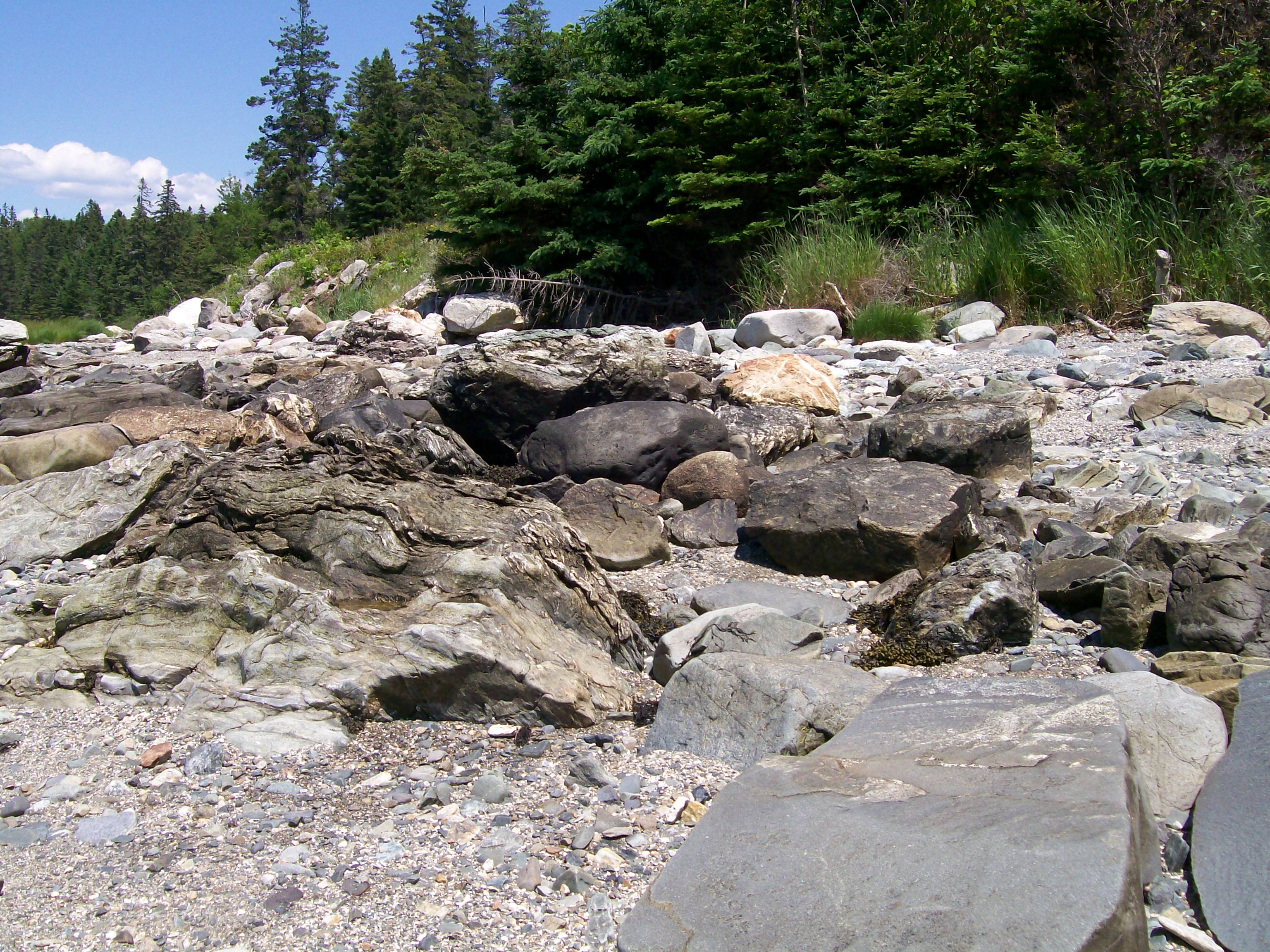
rocks 1

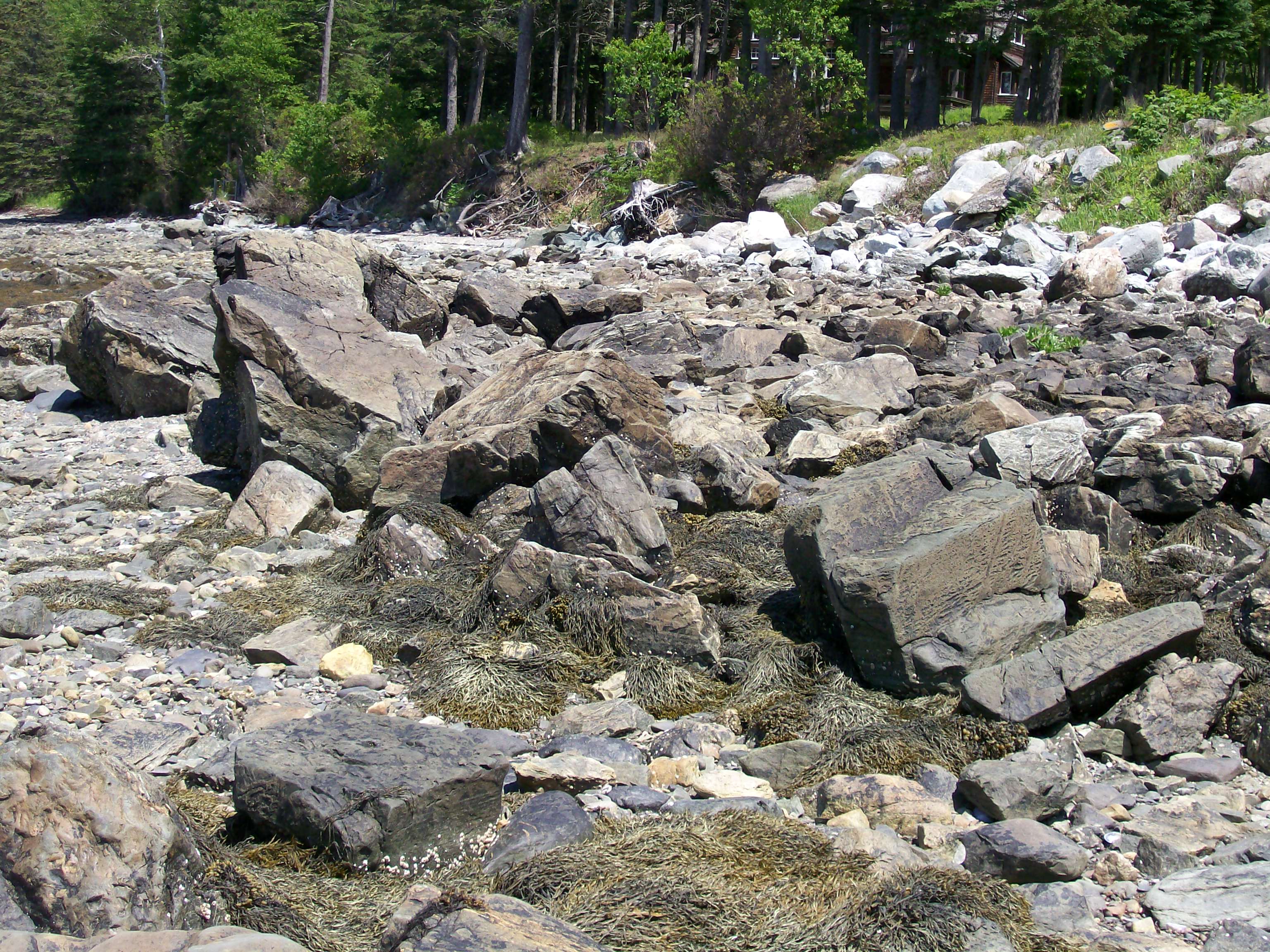
Rocky Beach

Dropped stock
from an enormous
overturned truck.

rocks 2

Thinking About “Stuff”

4 Comments

I have been reading posts from Jubilee Economics and Simple Living Works, so I decided to try listening to their podcasts (See http://www.jubilee-economics.org/podcast/tag/common-cause).  I recently listened to Number 28, which focused on “Stuff” and reducing our stuff.

I was disappointed.  Gerald Iverson’s main example of reducing stuff involved moving to a retirement home.  He and his wife did very well to reduce their “stuff” down to 30 percent of what they had.

But downsizing for retirement, or moving into a care community is as much pressure from conditions as it is a choice.  It’s part of the life cycle, and seems almost to justify a cycle that goes: acquire, acquire, acquire, then divest, divest.

When my husband and I moved to a smaller retirement home, we calculate that we reduced our “stuff” by about 50 percent.  A few years ago I began to wonder how to do more.  This is partly due to the expectation that I will eventually have to move to a continuing care facility apartment, and to the feeling, “I don’t want to leave this for the kids to deal with.”  But I also wonder what justice really calls for.

The question of justice arises from Lee Van Ham’s “One Earth Project,” which demonstrates that while we claim to understand that there is only one earth, our society operates as if there were five.  Check the link in my blogroll, on the right of the page.

Three years ago I decided to try getting rid of one thing for each day in Lent.  Including Sundays that means 49 items, rounded up to 50.  It turned out to be easy.  I was way over the number before Holy Week arrived.  So the next year I tried again.  It was a little more work, but I had a bookshelf I could turn into a display area, and my storage was much less crowded.

This past Lent I tried again.  It was getting more difficult.  I decided to count folders of old records I discarded (in the category of the things the children won’t have to deal with that’s good, but it doesn’t help anyone else, as gifts to thrift shops and worthy-cause rummage sales do.)  I realized, afterward, that I had hit a psychological snag.  What was the point of giving away things that would leave a gap on the shelf, or an empty space in the china cupboard?  Since I can’t assume that someone will find these items to be just what they want and buy used instead of new, why not let them sit?

I need to do some thinking about this and I was hoping the Common Good Podcast would give me some new insights.  Maybe they’ll take this up again.

Older Entries Newer Entries