Home

Marks of Spring

1 Comment

Two signs that we are really into spring have appeared in my yard this week. primrose.1

One is the Mexican Primrose.  I planted this early in my gardening efforts and thought it had died, so I planted a chamisa bush in the “empty” space.  The Primrose evidently appreciated the cover and came back to life.  It blooms in spring and then is covered over by the chamisa.  In late summer or fall, thin tendrils push through the bush to produce a few more of the lovely pink flowers.  I don’t dare transplant it.  It likes its present location.

100_0787

100_0788

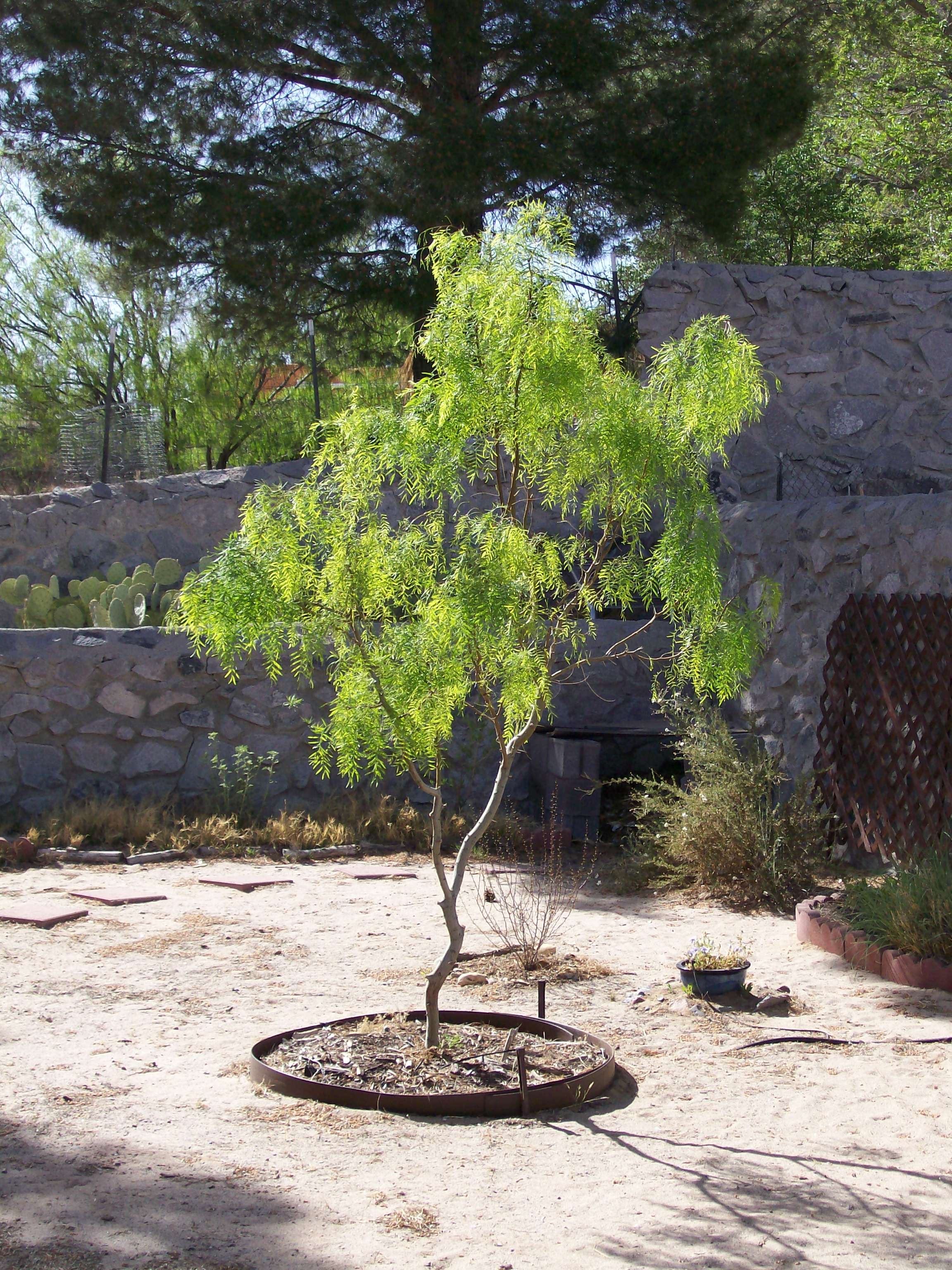
The second sign of spring is the leafing out of the mesquite tree.  I planted this tree as a wee thing out of a seven inch pot about six years ago.  I worried for two years whether it would ever tree; all it took was patience.  I have been told by more experienced gardeners that the mesquite is the best marker of spring.  Unlike the decorative fruit trees and some others, when the mesquite begins to leaf, one can be confident that the danger of serious frost is past.

What have these signs of spring to do with either freethought or metaphor?  Both freethinkers and poets are aware, though in different ways, that humans are connected to the rest of nature.  The wisdom of these plants appeals to both sides of my mind.

Hike to Dripping Springs

4 Comments

The “blogosphere” is a strange world of unlikely connections.  One blogger who found my website is Russel Ray.  I enjoy his photos of San Diego so much that I’ve added him to my blogroll, the links in the right hand column of this page.  You might like his work as well, especially if you have any connection to San Diego.

I’m not as accomplished a photographer, but I’ve been practicing, so here are a few from a hike I took in the mountains last week.  It has been too dry to produce many wildflowers this spring, but there are other things to see.  I hiked up to Dripping Springs in the Organ Mountains, a three mile round trip to several old ruins.  Halfway up are a stunning pair of alligator juniper trees.juniprs

One of the ruins is Nathan Boyd’s sanatorium, built in 1917 for patients with tuberculosis.  That disease brought many “anglos” to New Mexico in the late nineteenth and early twentieth century.Boyd's sanatarium

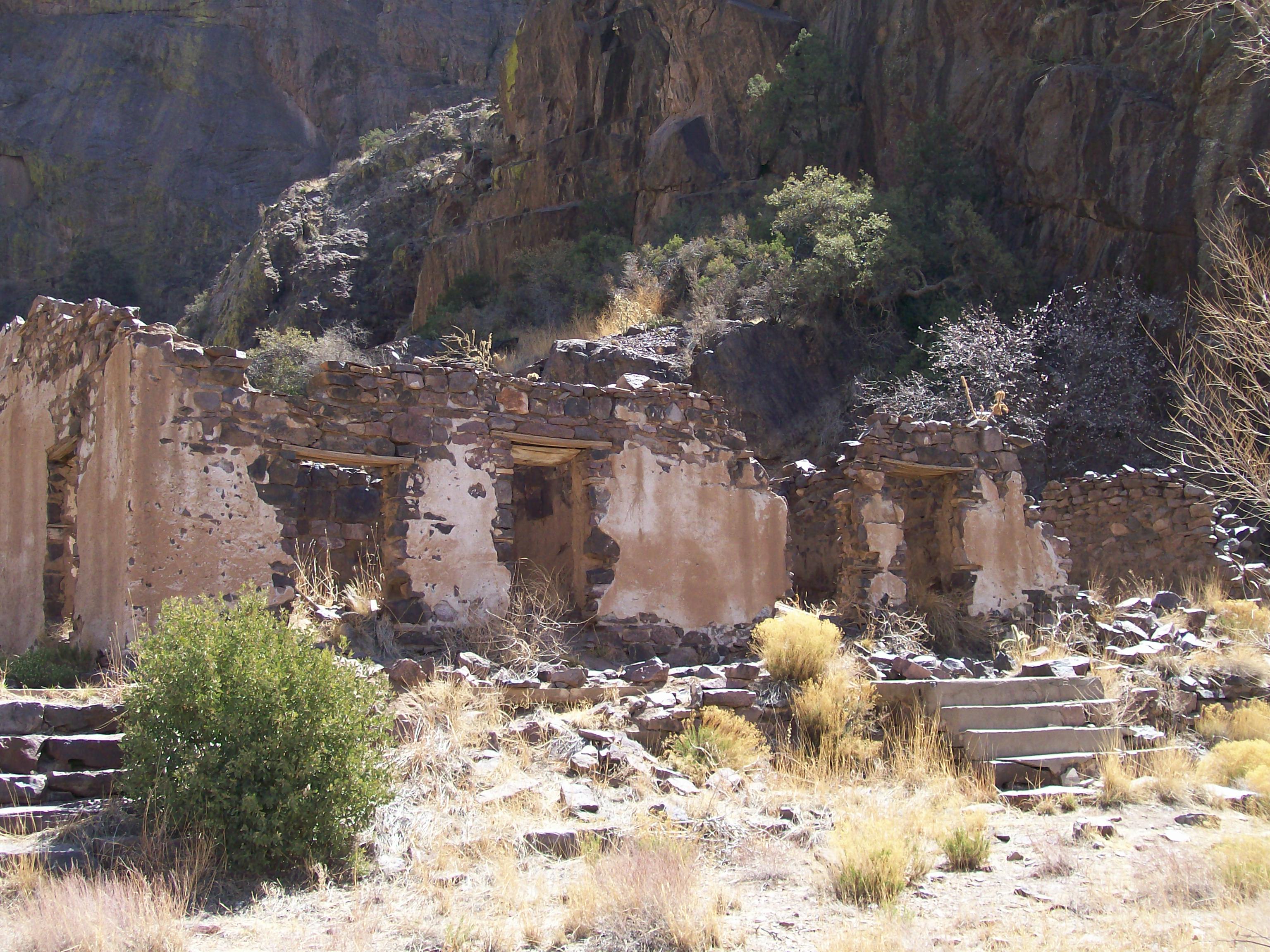
A more substantial ruin is Van Patten’s Mountain Camp, actually a rather nice hotel resort in its prime, built in the 1870’s.  It once had stairs up to a nice entrance.Van Patten front

On the way back down the mountain one can see, though it doesn’t photograph very well, the town of Las Cruces in the Rio Grande River valley.view of Las Cruces

It had been about six years since I made this hike.  The ruins are not much changed in that time.  Two other hikes at Dripping Springs can take you to a cave which once housed a hermit, before Van Patten’s time, or to a waterfall – when there is water in it.  I left those for another day.

Happy Equinox!

2 Comments

It’s the midpoint on the sun’s journey from south to north.  I know it is really the earth’s tilt that causes this apparent journey, but it is hard to think in those terms.  We humans have always seen it as a shift in the sun, not in the ground we stand on.  It’s the first day of spring, and in the garden, the plants are already ahead of me.

100_0768

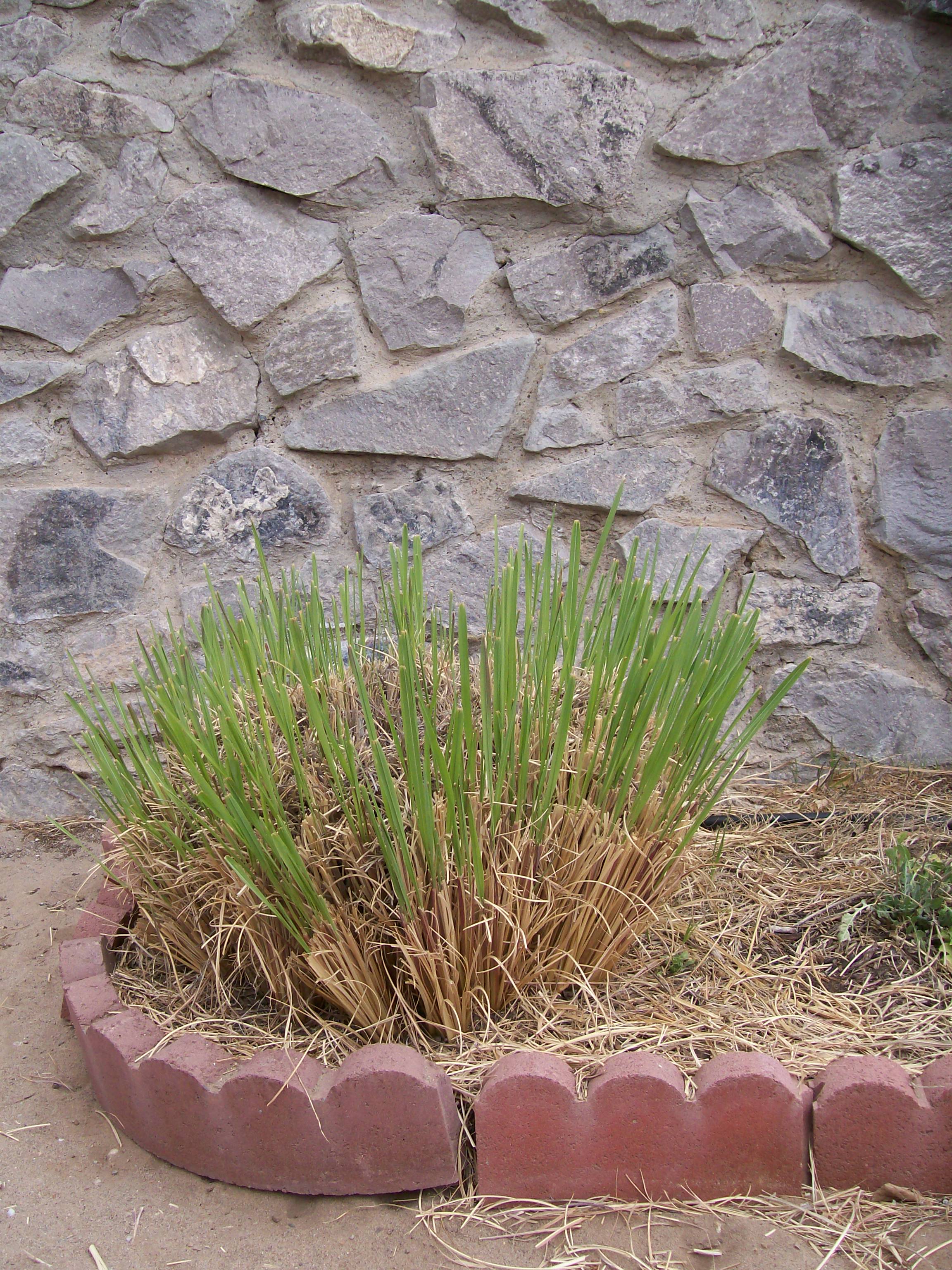
The large grass plant has made a big start.  It has far to go, since its seed heads will reach seven feet or more.

100_0770

The chamisa, which will also grow large, is nagging me about the sloppy pruning job I did on it this winter.  I couldn’t decide which branches to cut down to the ground.

100_0769

The pansies, which provided a bright spot through the winter, also are happier with the warming weather and longer days.  They’d look even better if I got out to rake out the old weeds around them.

That’s how it is with gardens.  There’s too little to do until suddenly there’s too much.  If you’re still waiting for spring to reach your yard, get those tools ready and replan your days.  I didn’t do that.  I should have seen this coming!

A Winter Walk

2 Comments

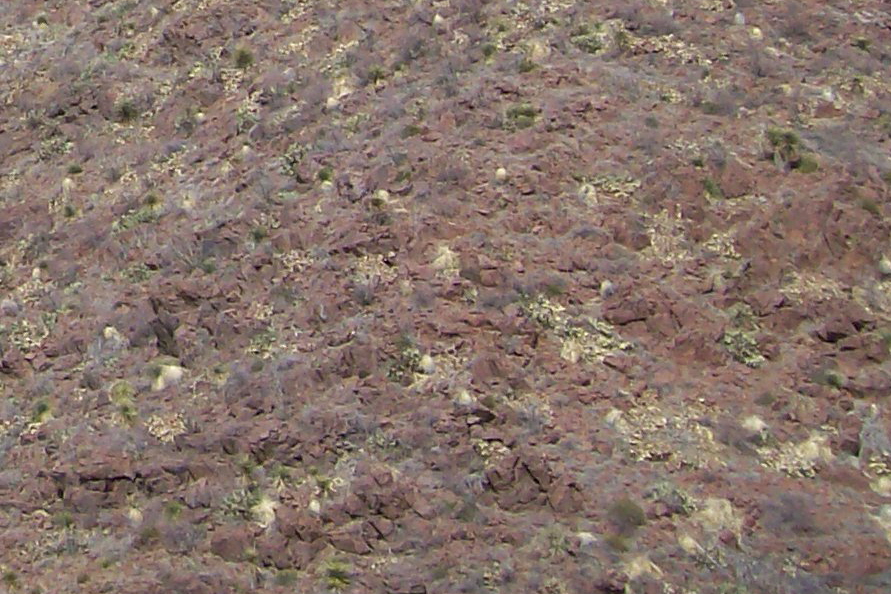
It was a hike, really, but a short one.  I had to make a trip down to El Paso and stopped in the Franklin Mountains on the way back for a short trip up a canyon.  It was a trail I had not walked before and I was disappointed at the rockiness of the old jeep road up.  The weather was poor: wind blowing up a lot of dust across the valley below.  In time my irritation subsided in the pleasures and challenge of the moment.

canyonThere was lots of red soil and rock

red rock

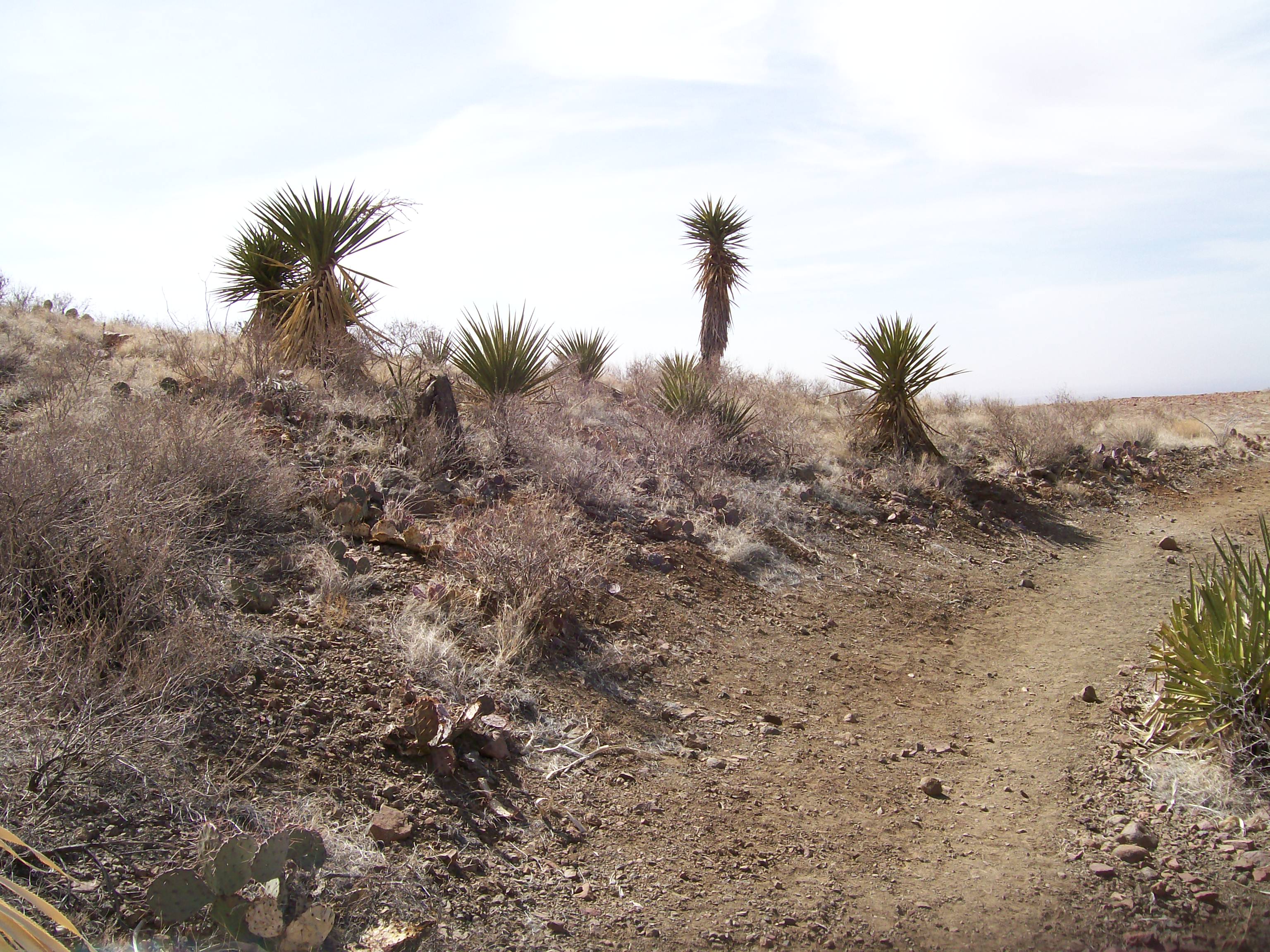
And yucca plants sturdy on the slopes.

yuccaI love the color of the hillside, but it is hard to capture: the deader stalks provide a background I think of as mauve, a sort of dusty dim purple, for the bright yellow-green of the scattered prickly pear.

carpet lookI can imagine a carpet in those colors, but since I have no place to put one, I admire it across the canyon. I return from an adventure like this thinking I must do this more often.  Spring and its increasing heat will be here soon.  I’ll hope for better light for photographs next time.

Thanksgiving Walk

4 Comments

The blog’s new header is intended to reflect my interest in nature and native plants, a “third side of one mind.”  It is a close up of a cottonwood tree I saw at the Bosque del Apache.  Today’s post about my Thanksgiving features other native plants.


Waiting at the copy center in Staples I listened to the customer in front of me and the salesclerk chat.  “I hate Black Friday,’ the clerk was saying.

“So do I,” the customer said.  “Maybe if you’re poor it makes sense.”

“I’m poor,” the clerk responded.  “And I’d rather spend time with my family than save $100 on a television set.”

Recovering quickly the customer said, “I’ve been there too.  I felt the same way.”  When I was done my business I told the clerk “I hope you survive Black Friday!”  She smiled.

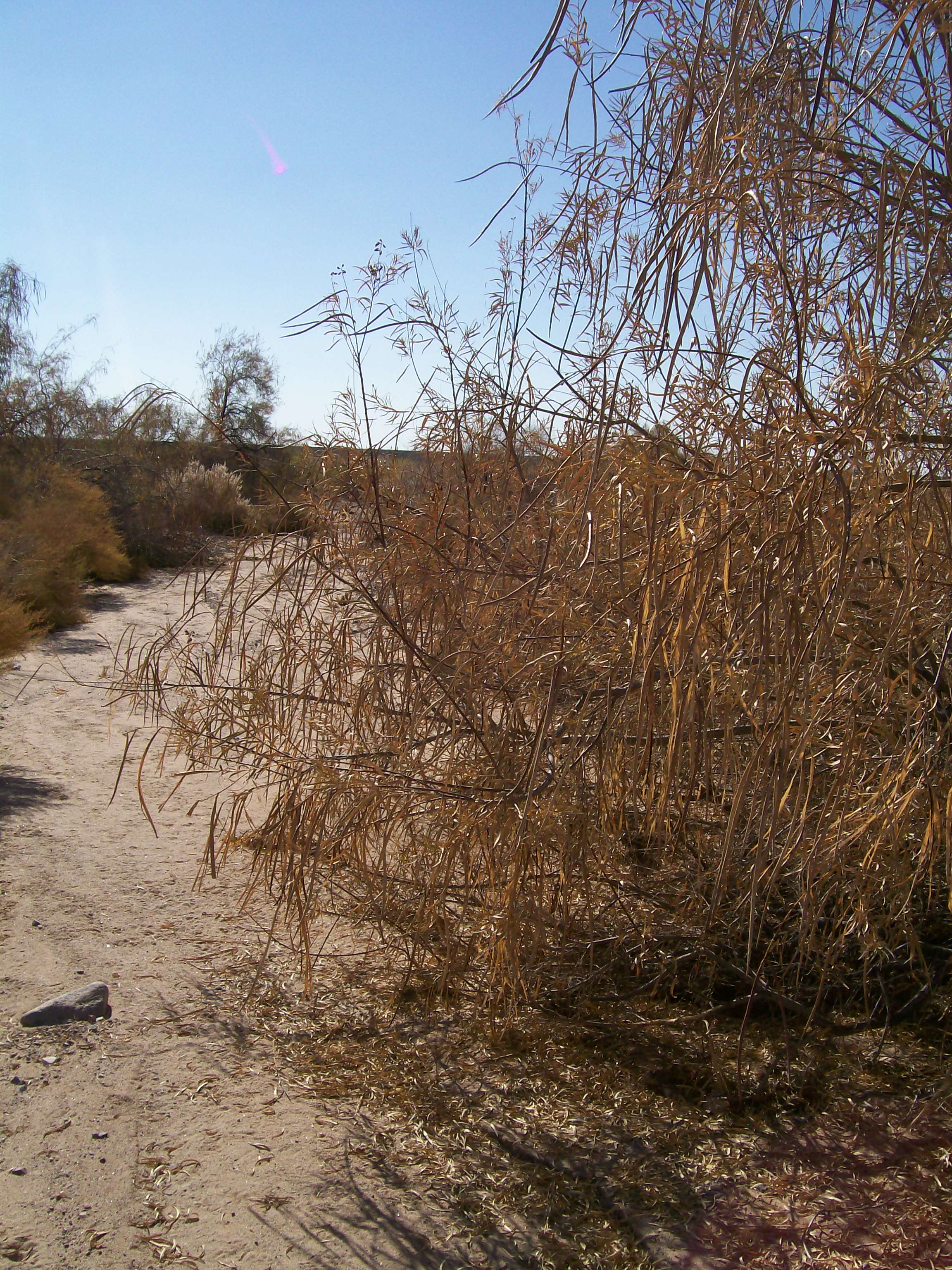
Desert Willow

For me, “Black Friday” is a day to stay home, catch up, finish cleaning up for Thanksgiving.  One of many things I have been and am grateful for is the extended family and friends who came to our house for Thanksgiving every year for many years: anywhere from six to seventeen people.  That left a lot of next day cleanup to be done, but it was worth the effort.  I am also grateful that we no longer do that.  We do a Thanksgiving dinner for ourselves, because for us, next after family, Thanksgiving is about the leftovers: the sandwiches and all the stock for soup, the many uses of turkey chunks.

This quieter Thanksgiving allows me time to take a walk.  This year I walked into

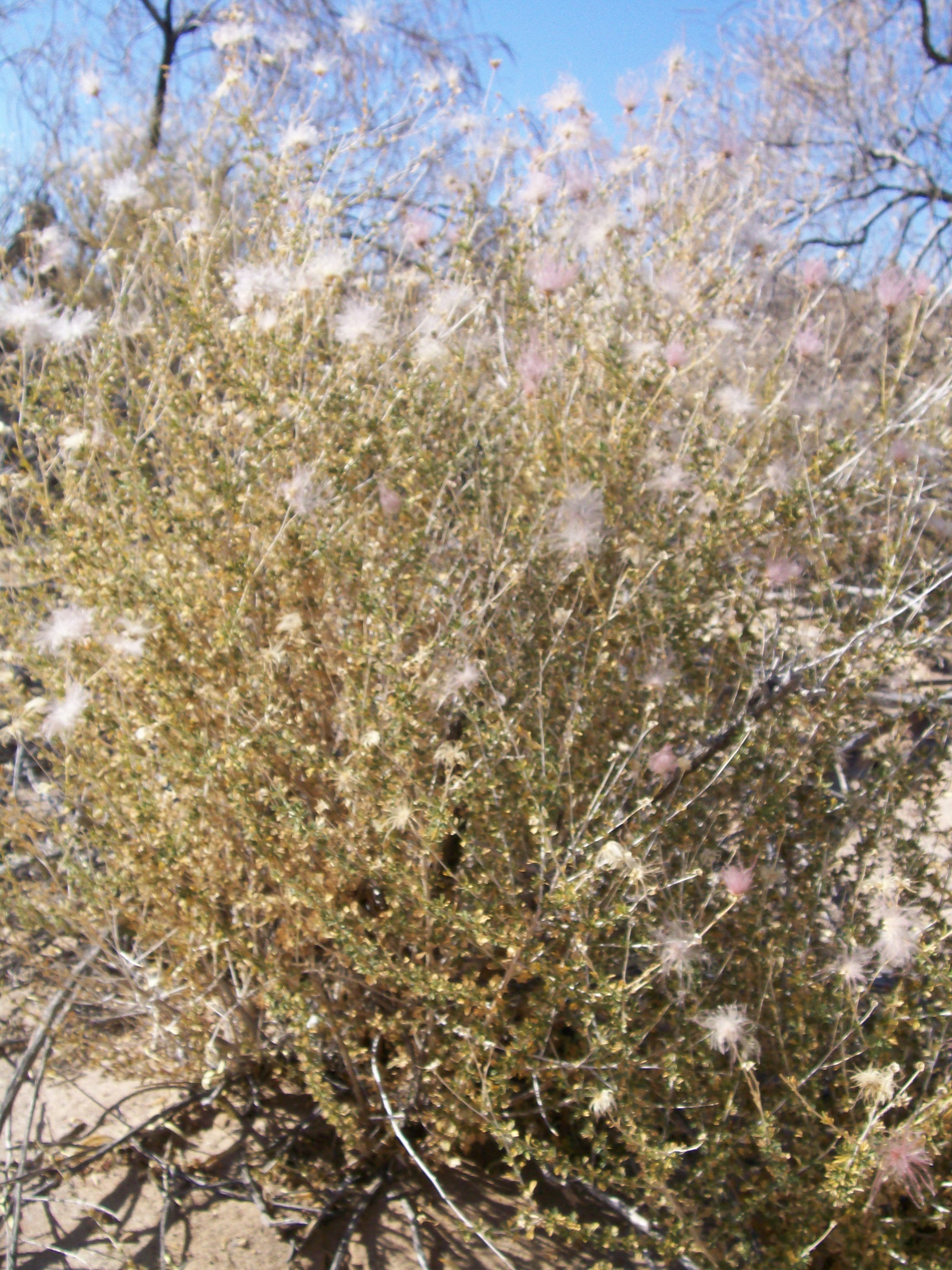
Apache Plume

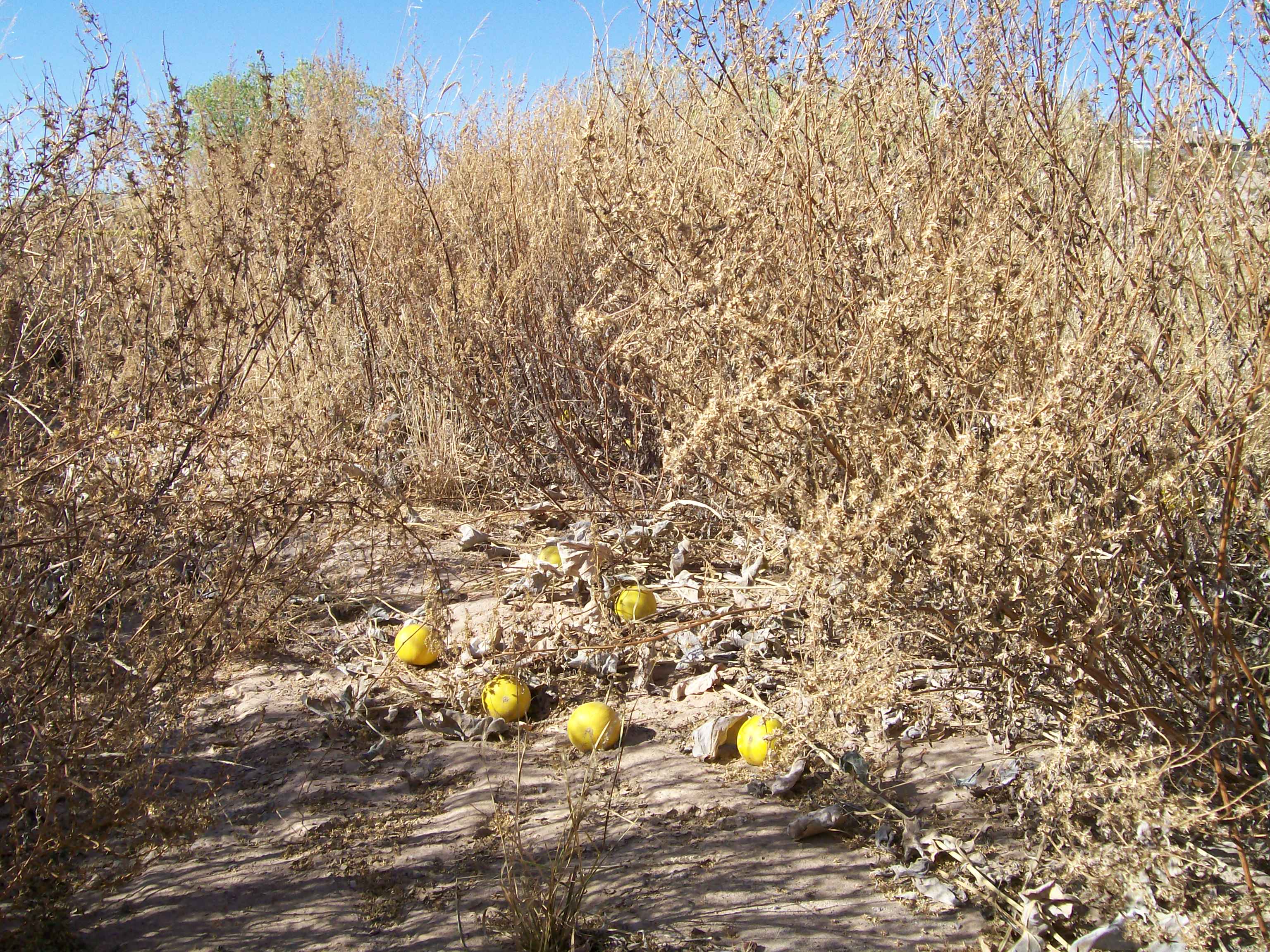
the arroyo behind the dam that is built for a 500 year flood and rarely sees more than a few small ponds in the rainy season.  Now it is quite dry.  I found many things to be thankful for, including desert willows whose long seed pods showed me how many flowers I’d missed seeing by not being out their way in the warmer weather.  There was apache plume which was still “pluming” – its sprays of seed pods not yet blown away.  And most pleasing of all, there were buffalo gourds.  These grow on large leaved plants which have gotten scarce in the last year or two because of the drought conditions.  I picked up a few for my Thanksgiving table decoration.  It was a longer walk than I had taken in quite a while.  But I knew I would have Black Friday to rest up.

Buffalo Gourds

Viva New Mexico

2 Comments

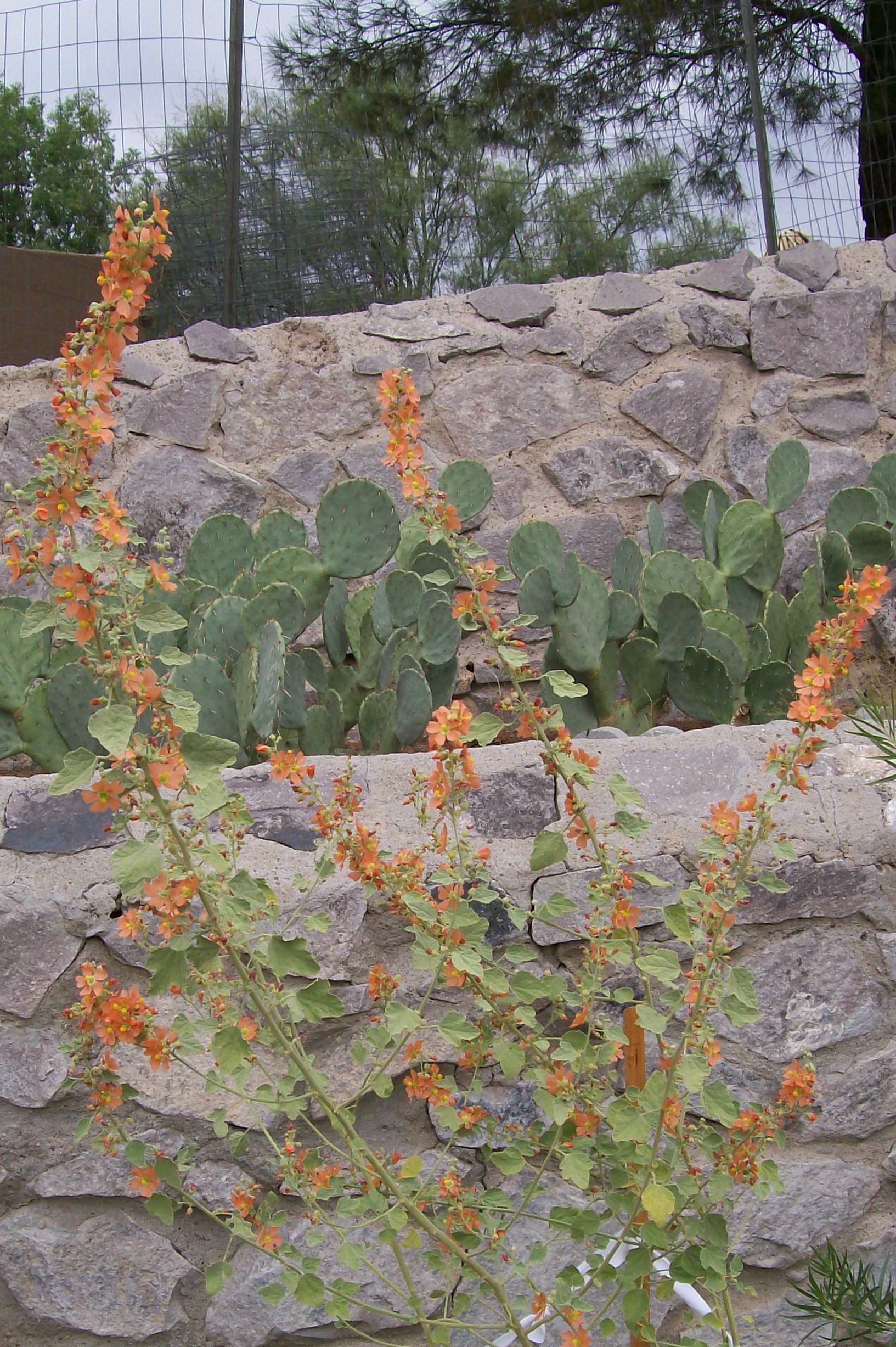
This desert globemallow is a southwestern native plant growing in my yard.  This one grew from a seed dropped by a plant I dug out of the sand in the arroyo near our house and transplanted several years ago.  Transplanting from the desert is tricky because the plants very quickly send their roots down deep for water.  If you cut the root the plant most likely won’t survive. Desert globemallow is a short-lived perennial, so I was pleased when two new plants arose to replace the old one.

I am setting up this post to go public while I am at a writing workshop at Ghost Ranch in Abiquiu, New Mexico.  That’s Georgia O’Keeffe country.  I hope to see, and photograph, some beautiful rocks, and perhaps some New Mexico native plants that don’t grow in the desert.

To experience more of New Mexico, click on 200 New Mexico Poems in the side bar.  This site has poems relating to many areas, landscapes and cultures of new Mexico.  New poems are being posted almost every day, growing toward the promised 200 poems.  It’s worthy of frequent visits.

After Desert Rain

2 Comments

My back yard is mostly sand.  At least twice previous owners have tried to grow grass there and given up, leaving the strings which once held sod together.  The ground is a pale yellow color.

Until the summer rains come.  Then all manner of weeds sprout up, providing a cover of green.  It is said that a weed is simply a plant in the wrong place, but I find the situation is more complicated than that.  Some weeds I pull as fast as I can: the lanky grass that goes to seed so quickly, and the pretty, spreading plant called goathead, whose yellow flowers turn into nasty pronged seeds that stick to cloth and hurt bare feet.

Purple Mat

Other weeds I have reclassified as wildflowers.  One of these is purple mat (Nama hispidum).  When we have a wet winter, which we did not this year, this low plant shows up across the desert where I walk.  In my yard, it likes the shady spots where moisture lasts a little longer.  I had to go out early to get a picture of it in the sun.  And even so, you can hardly make out the purple flowers.

Another native flower I’m fond of is limoncillo ((Pectis angustifolia).

Limoncillo

Its English name, lemonweed, may reflect what most people think of it, but I think it’s lovely, with its thin leaves and yellow flowers.  I usually get a scattering of this.  This year, it has sprouted all around our small pool, as if it had been planted there.  How very nice of it!  I happily pull out all the competing weeds so that it can shine.

In this harsh desert climate I’ve had little luck at the kind of gardening I did in Pennsylvania. Even when I focus on heat-hardy plants, my seedlings fail to take hold and my vegetables die off before producing.  I’m dependent on nature and native plants to fill my yard.  After the poppies of early spring there were “wire lettuce” with its wee pink flowers, and stickweed, currently called “Velcro plant,” whose pale yellow flowers are best appreciated from a distance.  Then things got hot and dry.  After the rains come, purple mat and limoncillo arrive to give me joy.  They are a gift I did nothing to earn.

Newer Entries