Haiku, that Japanese form which took hold in English about 50 years ago and has continued to be of interest to many, is a great example of the role of “rules” in poetry.
I particularly like a haiku posted recently on the blog, Five Reflections:
soft subtle mantra
hoes the garden of the mind
new poem blossoms
I was delighted by the contrast between the mantra described as “soft subtle” and the hardness of a hoe. But then my inner critic sounded alarms: “the ____ of the ____” the critic complained. “Couldn’t he have avoided at least one of those empty words?”
I keep my critic busy checking my own work for unnecessary cases of “the” and “of the.” But was he (or is my inner critic a she?) right to complain in this case?
There are two schools of thought about haiku, those who insist on a 5-7-5 syllable structure and those who argue for shorter, tighter lines. The 5-7-5 imitates the Japanese form. But the second party asserts that those Japanese “syllables” are not all words, some are signals of other kinds, so the 5-7-5 structure is a poor substitute.
The Haiku Society of America takes no official position on this question. Their definition a haiku reads: A haiku is a short poem that uses imagistic language to convey the essence of an experience of nature or the season intuitively linked to the human condition. I have noticed, however, that the winners in their annual contests are more often of the shorter style.
I had a workshop with a person of the “shorter is better” school. He ruthlessly cut down my already short attempts. I was persuaded that he knew what he was talking about.
Now, I’m not so sure. “the garden of the mind” has a gentle flow to it that appeals to me.
On the other hand, does this haiku fulfill the Haiku Society’s definition that it “convey the essence of an experience of nature or the season”? “The garden of the mind” is completely metaphor. No actual garden, no hoe. What should I make of this?
My favorite of the haiku I have so far seen on Five Reflections is this one:
sea smoke illusion
ancient seafarer ghost ship
grandpa’s story time
What I like best about this poem is the turn in the last line: the misty sea scene is suddenly transposed to an indoor scene, warm and cozy, where “grandpa” tells his story. I didn’t even notice at first that this poem has nary a “the” nor an “of.” This poet knows what he is doing, which further confirms my suspicion that sometimes those “lesser” words are the right ones for the flow and mood of the poem.
In summary, the following, sometimes contradictory, “rules” are apparently made to be broken by skillful haiku writers:
“Always use a three line construction of 5-7-5 syllables.”
“Don’t waste syllables on lesser words like “the.”
“Start with or focus on nature.”
As one who finds haiku challenging to write, I’ll take these “rules” as suggestions, refusing to be bound by them.
To read more at Five Reflections, click on the link in the blogroll in the column to the right of this post. Enjoy!
 This past year I added two Penstemon superbus plants. One did not make it through the fall and winter. This 50 percent ratio is typical of my efforts in the garden. But the one that has survived makes me want to try again.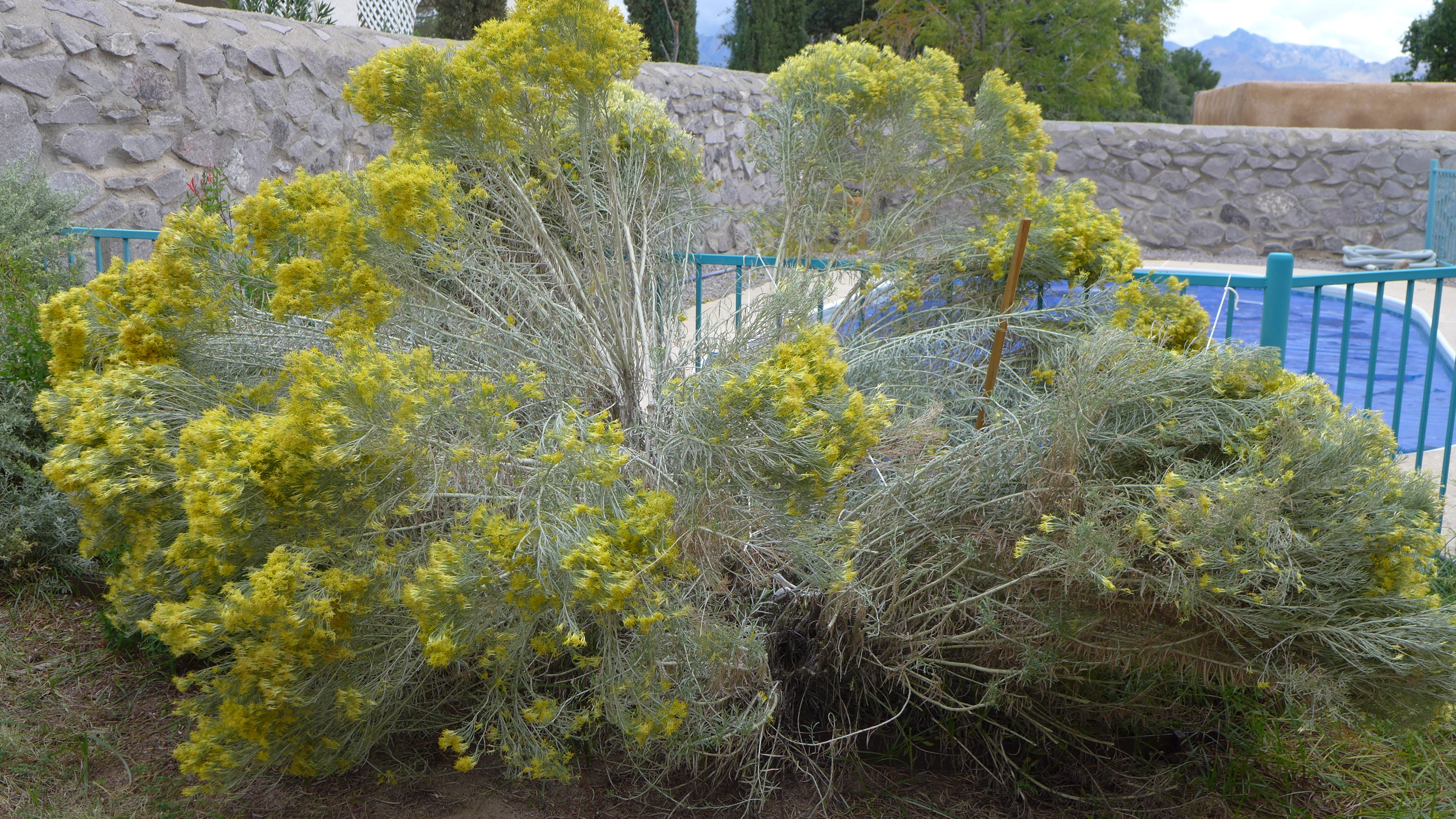

 But what is this little blue and white flower?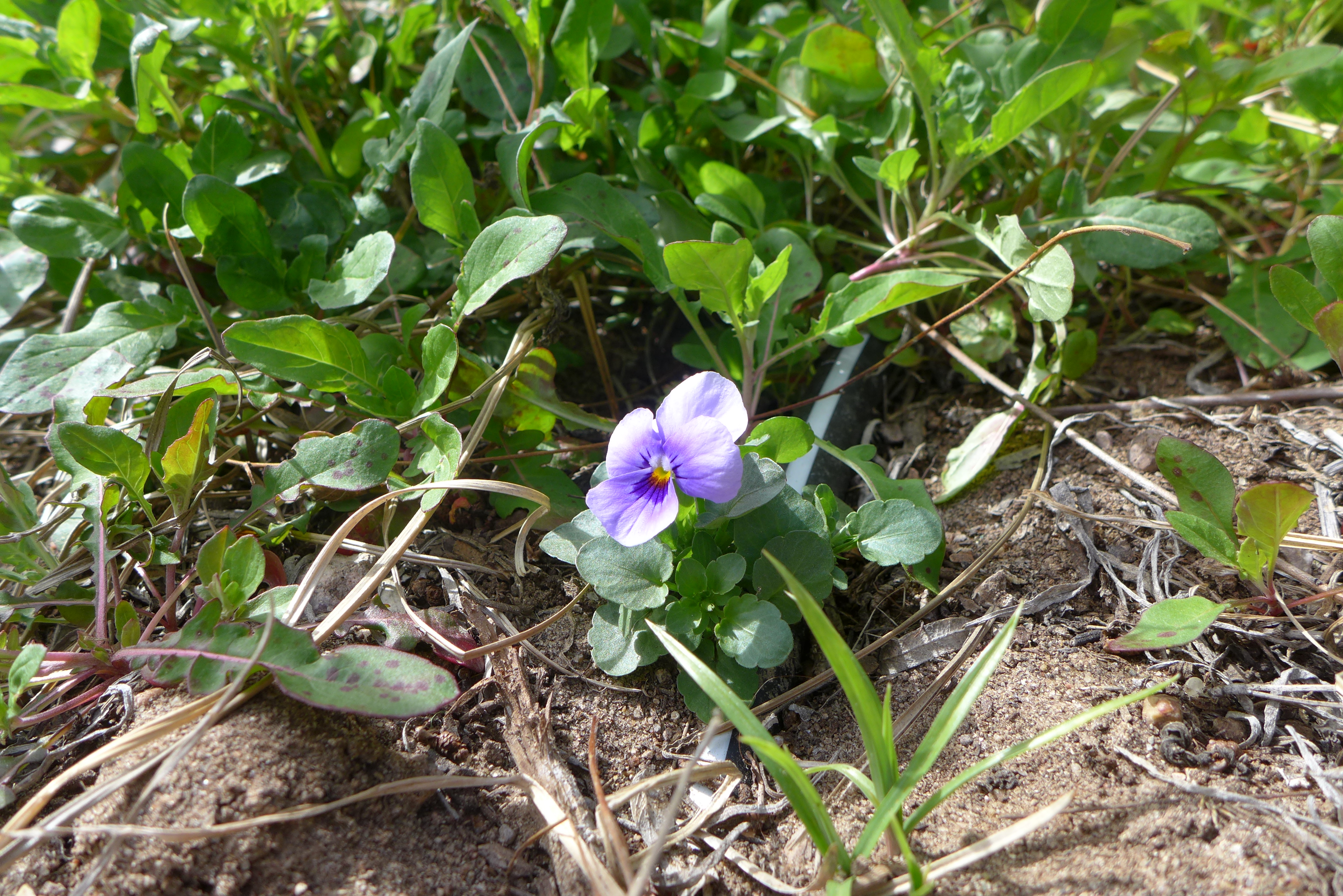



 freethoughtandmetaphor